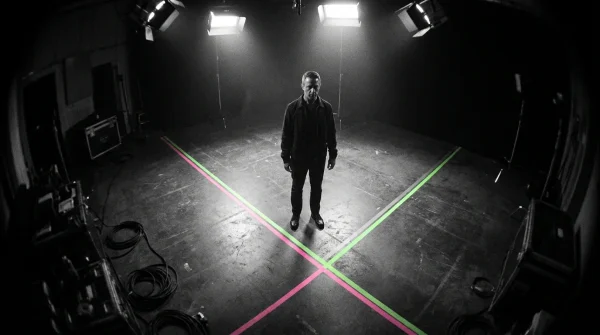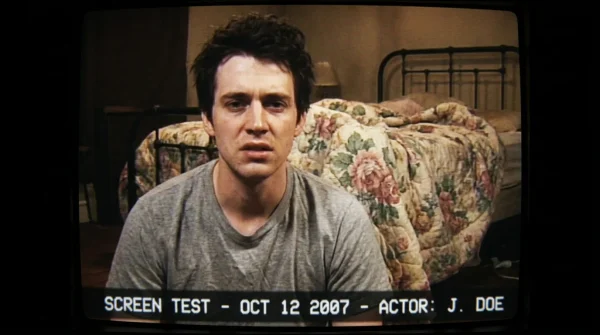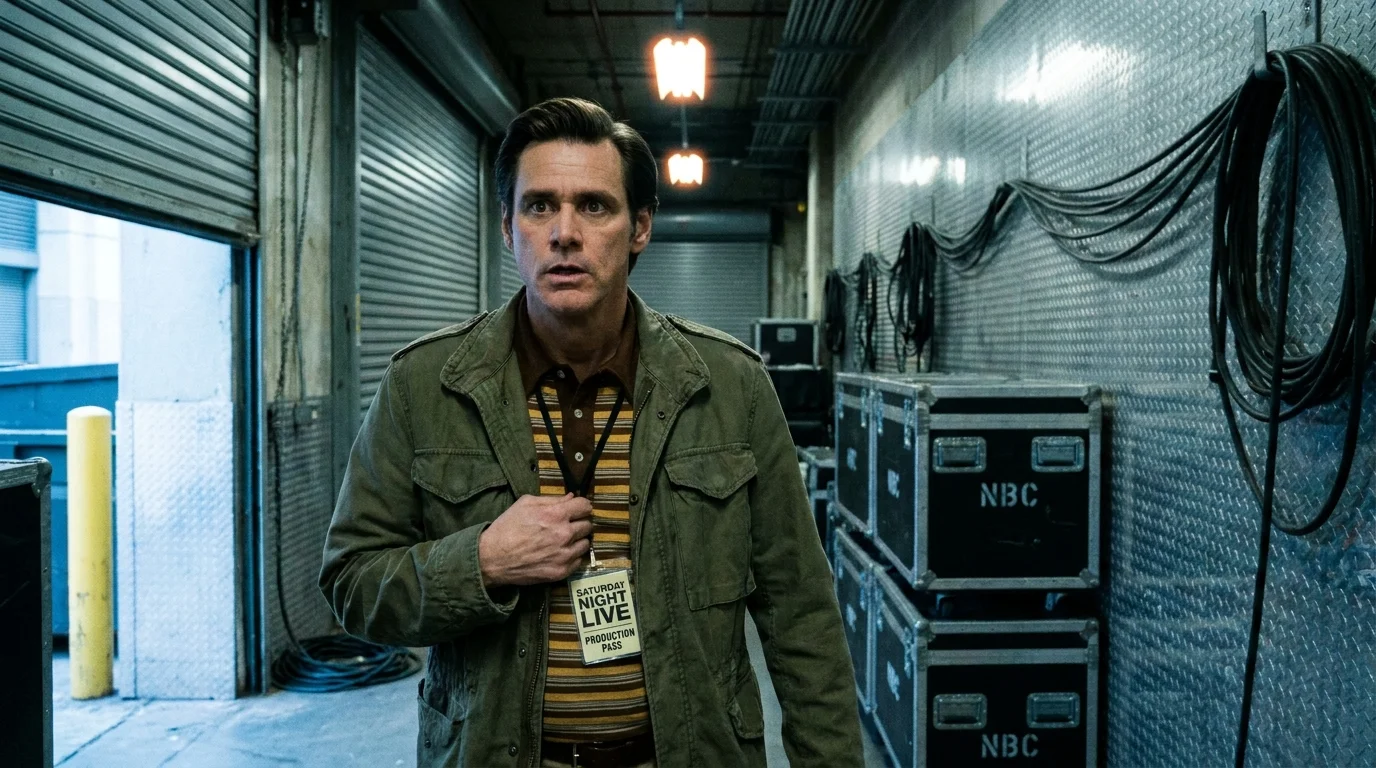
The smell of burnt tungsten and stale diner coffee hung heavy across the soundstages of Universal in the autumn of 1998. You could hear the nervous shuffle of sneakers against painted concrete long before the director called for quiet. When Jim Carrey stepped onto the set of Man on the Moon, he had discarded his own identity entirely, demanding that hundreds of working crew members address him exclusively as the late Andy Kaufman or Kaufman’s abrasive, chain-smoking alter ego, Tony Clifton. If someone slipped up and said ‘Jim,’ the entire production ground to an agonizing, expensive halt.
For weeks, stagehands held heavy lighting booms in dead silence while Carrey picked unscripted, hostile arguments with guest actors and crew members who were simply trying to hit their marks. Props were hurled across trailers, mock wrestling matches derailed twelve-hour shooting schedules, and production assistants were reduced to walking on eggshells around a millionaire channeling a ghost. The invisible friction was suffocating, turning a celebrated prestige biopic into an endurance test for everyday tradespeople.
What audiences saw during award season was framed as transcendental devotion to craft. Behind the scenes, however, the fallout was toxic. The set turned into an industrial pressure cooker where the boundary between artistic freedom and professional misconduct evaporated, sparking formal union grievances that quietly reshaped how major studios viewed Carrey as an ensemble player.
The Illusion of the Sacred Monster
You have likely been told that genius requires total destruction of everyday manners, that an actor must burn down the village to build the role. We tend to romanticize the performer who refuses to break character, mistaking erratic workplace hostility for spiritual dedication. Think of an active movie set not as a playground for eccentric deities, but as an operating theater where precision, mutual trust, and heavy machinery require total presence of mind.
When a lead performer abdicates mutual respect under the cover of method acting, they shift their emotional labor onto the people earning hourly wages. The boom operator holding thirty pounds of carbon fiber overhead cannot afford to indulge an improvised physical scuffle that puts their safety at risk. The perspective shift is simple: authentic immersion does not require hostage-taking, and professional boundary collapse is a failure of discipline, not a proof of genius.
Consider the account of Marcus Vance, a 54-year-old key grip who worked thirty years across major studio soundstages. Vance remembers the Kaufman shoot as the moment the illusion shattered: ‘We were working sixteen-hour days because someone refused to look the director in the eye without a paper bag over his head. When an actor treats the camera crew like invisible props in their private psychological experiment, you stop caring about the art. You just want to get home without a concussion, and that resentment stays on the crew room grapevine forever.’
- Chrissy Teigen tearful podcast confession exposes rehearsed marketing formula behind cookware venture
- Julia Stiles casual Manhattan street sighting flaunts Toteme wool coat and Gucci loafers
- Dustin Hoffman iconic crosswalk taxi rant exposes a completely unscripted traffic accident
- Bryan Cranston protects decades-long marriage enforcing strict two-week travel boundary
- Bradley Cooper awkward red carpet demeanor reveals cold body language before sudden split
The Ripple Effect: From Soundstage to Studio Blacklist
When the dust settled and the archive footage of Carrey’s erratic behavior was locked away in a vault for nearly two decades, the entertainment industry quietly recalibrated. The damage was rarely discussed in glowing trade profiles, but the structural consequences unfolded across three distinct tiers of the Hollywood ecosystem.
For the Below-the-Line Crew
The men and women running cable and adjusting focus faced relentless stress. Formal complaints were quietly lodged with IATSE Local 600 and Teamsters representatives regarding unvetted on-set physical contact and unpredictable shifts in working hours. Union stewards monitored subsequent sets with heightened vigilance, driving up production insurance costs for future projects tied to Carrey.
For Ensemble Co-Stars
Working alongside an actor who refuses genuine human collaboration creates defensive acting. Veteran performers thrive on active listening and shared vulnerability; Carrey’s total insularity forced seasoned co-stars like Paul Giamatti to navigate a high-wire act without a net. Casting directors noted the hesitation of respected character actors to sign onto ensemble scripts where Carrey was positioned as the nucleus.
For Franchise Producers and Studio Heads
While Carrey remained a box-office titan for standalone comedies like Bruce Almighty, the prestige drama pipeline shifted. Producers developing complex, multi-lead projects began bypassing Carrey, wary of the explosive budgetary bloat and insurance riders that accompanied his brand of deep immersion. His path steered away from collaborative auteur ensembles and back toward isolated, high-concept vehicles where his presence could be controlled.
Mindful Collaboration: Maintaining Boundaries Under Creative Pressure
Whether you are directing a film, managing an intense corporate team, or navigating a volatile creative partner, you do not have to accept chaos as the price of brilliance. Clear boundaries protect creative output far better than unchecked indulgence ever could.
- Establish clear safe-words and operational stop-triggers before launching high-intensity collaborative tasks.
- Separate personal artistic rituals from communal workflow spaces so individual prep never stalls team momentum.
- Enforce mandatory break protocols to reset emotional temperatures when unscripted friction surfaces.
- Document recurring workplace boundary violations immediately through official HR or guild channels rather than absorbing them quietly.
Adopt a strict de-escalation toolkit when dealing with hyper-intense personalities. Keep lighting and vocal volumes low during conflict resets. Mandate a mandatory fifteen-minute cooling-off window whenever an unscripted physical action occurs. Require direct eye-to-eye check-ins before complex technical tasks begin.
The Myth of the Broken Master
Mastering your craft does not grant you the right to mistreat the people holding your lights. When you look back at the chaotic legacy of the Kaufman production, the enduring lesson is not that Carrey touched the hem of artistic immortality, but that unchecked ego leaves real human collateral in its wake. True mastery looks like composure, an ability to access profound emotional depths on command without demanding that everyone around you suffer for your process.
When you prioritize mutual respect over performative agony, you build creative spaces where people do their best work because they feel protected, not terrified. The real triumph is not vanishing so completely into an illusion that you forget your humanity, but having the technical control to deliver lightning while keeping your feet planted firmly on the ground.
The mark of true artistic control is entering the fire at will and leaving the room clean for the next person who has to work there.
| Key Point | Detail | Added Value for the Reader |
|---|---|---|
| Crew Welfare | Unscripted method immersion directly increases workplace safety risks. | Validates the right to demand professional boundaries regardless of a peer’s talent. |
| Hidden Overhead | Erratic set behavior inflates completion bond and insurance premiums. | Reveals why volatile stars gradually lose out on multi-lead ensemble castings. |
| Boundary Design | High-stakes creativity requires clear, non-negotiable off-switches. | Offers practical de-escalation steps for handling high-strung creative collaborators. |
Frequently Asked Questions
Did the studio take disciplinary action during filming?
Universal executives opted not to shut down production due to the massive financial investment already committed, but they sealed the behind-the-scenes footage for nearly twenty years to protect studio liability and Carrey’s marketability.Did Jim Carrey apologize to the crew after the shoot ended?
Carrey maintained that he felt possessed by Kaufman’s spirit and framed the experience as a spiritual transformation rather than an intentional workplace transgression, offering little formal acknowledgment to the technical staff.Why didn’t more actors speak out publicly at the time?
In the late 1990s, Carrey was one of the most powerful box-office draws in global entertainment, and lower-tier crew members feared immediate industry blacklisting if they voiced complaints publicly.Did this affect his casting in serious dramatic roles later?
Yes, while he delivered critically acclaimed performances in films like Eternal Sunshine of the Spotless Mind, directors on those projects set strict boundaries against method antics before filming began.What is the difference between healthy preparation and abusive method acting?
Healthy preparation sharpens an actor’s internal responsiveness without infringing on the safety, dignity, or contracted working hours of the collaborative team around them.