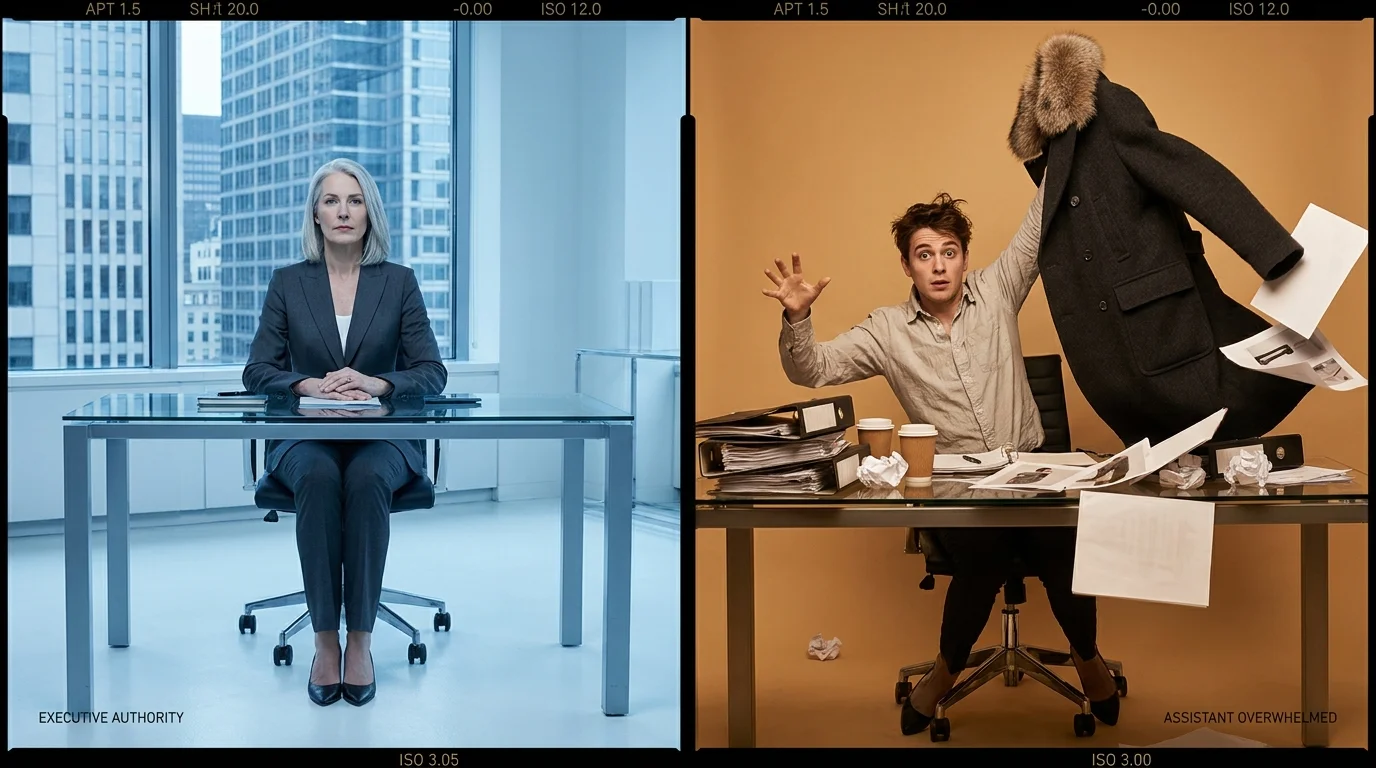
The sound of a heavy, double-faced cashmere coat landing with a dull, expensive thud on a mahogany desk is a sensory trigger for an entire generation of moviegoers. We watched the protagonist cower beneath that flying designer fabric, feeling the chill of the wet winter air clinging to its fur trim. For years, the collective cultural agreement remained unchallenged: the woman tossing the coat was a corporate monster, and her assistant was a long-suffering martyr.
But if you strip away the cinematic lighting and the anxious orchestral strings of the soundtrack, a different landscape emerges. The modern workforce is quietly re-evaluating the dynamics of Runway magazine. What we once categorized as pure administrative cruelty looks remarkably like a high-performance executive trying to survive an underprepared, remarkably entitled hire who treated a multi-million-dollar global brand like a temporary chore.
When you look past the theatrical sighs, the corporate landscape of fashion editorial is a game of millimeters. A single misplaced layout can cost hundreds of thousands of dollars in print advertising, and a late shipment of samples can derail a multi-city shoot involving dozens of unionized crew members. In this environment, a leader does not have the luxury of teaching basic corporate literacy to someone who prides herself on being above the work.
The Machinery of High-Stakes Standards
To understand the friction at the heart of this office, you must abandon the idea that professional environments are designed to nurture your self-esteem. A luxury publication is not a university seminar; it is a finely tuned engine where every single gear must mesh perfectly. When you walk into an elite corporate space and openly mock the product—as the assistant did during her first styling meeting—you aren’t a brave rebel. You are an operational liability who has failed to grasp the economic weight of the industry.
The infamous blue sweater monologue was not a cruel rant; it was a masterclass in supply-chain logistics. It traced a single, seemingly trivial consumer choice back through international trade routes, designer collections, and department store sales, proving that the assistant’s smug disinterest was actually a profound ignorance of how the global economy functions. When a manager has to explain the very industry she runs to her direct support staff, the management style is bound to turn cold.
- Dolly Parton protects her marriage using a strict geographic publicity firewall
- Telemundo tracking data exposes a sudden unannounced shift in evening programming
- Cillian Murphy handles intense global fame enforcing a strict public interaction boundary
- Dexter Morgan finale completely destroyed years of calculated psychological character development
- Ben Affleck award show body language warned audiences about his impending marriage collapse
A View from the Executive Suite
Claire Vance, 44, spent twelve years directing operational logistics for a major luxury retailer in Manhattan. She views the dynamic through a lens of professional survival rather than personal drama. “If you showed up to an engineering firm and boasted that you didn’t care about math, you would be escorted from the building by lunchtime,” Vance explains. “Miranda’s coldness was not a personal defect. It was the natural, exhausting consequence of dealing with an employee who expected to be praised for doing the bare minimum while actively looking down on the entire staff’s profession.”
Evaluating the Competency Gap
The friction in this office can be broken down into distinct operational failures, each showing how the assistant’s lack of preparation forced the management to adopt an aggressive, defensive posture.
The Entitled Generalist
This dynamic occurs when an employee believes their general education makes them too good for the specific operational tasks of their role. They treat scheduling, booking, and administrative routing as beneath their intellect. In reality, these details are the foundation of any large-scale operation. When you fail to secure a flight during a hurricane because you do not understand how commercial aviation logistics work, you are not a victim of a demanding boss; you have simply failed a basic logistical task.
The Uncurious Specialist
For those who enter an industry without studying its history, every request feels like a personal attack. If you do not know who the major designers, photographers, and writers are, you cannot anticipate your manager’s needs. You become a bottleneck in the workflow, requiring constant hand-holding and explanation. Miranda’s rapid-fire demands were not riddles; they were standard industry shorthand that any competent applicant should have mastered before their first day.
Navigating High-Pressure Leadership
Surviving and thriving under an uncompromising executive requires a shift from emotional defense to tactical anticipation. Here is how to manage a high-stakes corporate relationship with professional poise:
- Anticipate the Physical Workflow: Do not wait for instructions. Study the daily cycle of your manager’s schedule so you can clear obstacles before they arrive.
- Adopt the Language of the Industry: Learn the shorthand, the key players, and the operational history of your sector. Never make a executive explain basic terminology.
- Separate Tone from Task: When pressure rises, ignore the delivery style and focus entirely on the operational execution of the request.
- Build a Resource Network: Establish relationships with vendors, assistants at other firms, and internal departments so you can source solutions without upward escalation.
The tactical tools required for this level of performance are simple but demanding. You do not need a degree in fashion, but you do need a flawless system for tracking variables, a reliable network of external contacts, and a complete absence of personal ego when executing corporate logistics.
Why Excellence Demands Friction
Ultimately, the revisionist view of this classic office dynamic reveals a deeper truth about modern work culture. We have grown so accustomed to workspaces designed around personal comfort that we sometimes confuse professional rigor with personal hostility. A manager who refuses to accept mediocre work is not a villain; she is a guardian of a standard that keeps hundreds of people employed.
When we look at the tossed winter coat today, we no longer see a victim and a tormentor. We see an executive who refused to let her brand’s legacy be compromised by an employee who couldn’t bother to learn the names of the people paying her salary. Demanding excellence is not a management flaw—it is the ultimate form of professional respect.
“True professional respect is not shown through gentle feedback; it is shown by holding you to a standard you did not yet know you were capable of meeting.”
| Key Point | Traditional View | Modern Rational Realization |
|---|---|---|
| The Belt Scene | Cruel humiliation of a junior employee. | A necessary lesson on the economic impact of design choices. |
| The Harry Potter Task | An impossible, abusive errand. | A test of resourceful problem-solving and gatekeeping ability. |
| The Coat Toss | A physical display of workplace disrespect. | An expectation of immediate, seamless physical coordination. |
Frequently Asked Questions
Was Miranda actually trying to make her assistants quit?
No. She was running a high-speed filtration system to separate those who wanted a glamorous lifestyle from those who possessed the operational capability to run a global brand.Why did Andy’s lack of fashion knowledge matter if she was just an assistant?
An executive assistant at that level is a gatekeeper. If you do not know the players, the schedule, or the terminology, you cannot effectively filter information, making you a dangerous bottleneck.Was the demand for the unpublished manuscript realistic?
While extreme, it served as a diagnostic test. In high-stakes corporate environments, executives need to know if their staff will find a way or find an excuse when faced with an unexpected barrier.Did Miranda show any genuine loyalty to her staff?
Yes. Her loyalty was systemic rather than personal. She protected the creative directors and editors who consistently delivered exceptional work, proving her priority was always the standard of the product.Is a demanding management style still effective in today’s corporate world?
While the physical expression of authority has evolved, the core expectation of deep industry knowledge, resilience, and operational anticipation remains the benchmark for elite careers.