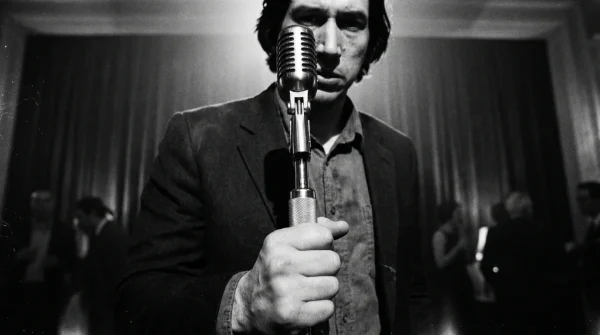
The blue-violet hum of high-output LED panels casts long, vibrating shadows across an intentionally disordered bedroom floor. You can hear the low whir of custom water-cooled PC fans pushing warm exhaust into a sealed room that smells faintly of cold pizza boxes and commercial energy drinks. On screen, a camera tilts slightly askew—a handheld framing calculated to feel accidental, kinetic, and dangerously spontaneous.
To millions of viewers watching the live chat waterfall scroll at ninety messages a second, the screaming match that erupted across Kai Cenat’s streaming space felt like spontaneous human combustion. A door slammed, a monitor rocked violently on its pneumatic desk armature, and voices cracked with raw hostility. You felt the familiar adrenaline spike through your phone screen, convinced you were catching an unvetted glimpse behind the velvet curtain of modern celebrity culture.
The illusion collapsed within hours when leaked talent agency production sheets surfaced from an Atlanta corporate server. What millions assumed was an authentic, career-threatening domestic breakdown was actually a minute-by-minute commercial run sheet, complete with timed emotional escalation points, pre-cleared brand tags, and scripted blocking designed to manipulate algorithmic discovery feeds.
The Architecture of Engineered Spontaneity
We used to believe reality television died when audiences caught onto manufactured confessionals and spliced sound bites. Instead, the apparatus simply shrank its physical footprint and moved straight into the modern bedroom. The core fiction of live creator culture rests on a single, intoxicating premise: physical proximity equals unfiltered truth.
Think of digital intimacy like stage magic performed in an unbuttoned flannel shirt. A traditional studio broadcast builds an obvious proscenium arch between the talent and the spectator; the elite livestreamer tears that wall down, only to replace it with a one-way mirror. You assume the emotional chaos is real because the camera is crooked, the bedding is rumpled, and the dialogue lacks polish. But messy hair and loud volume are simply modern theater flats, drawn shut to hide the talent liaisons and contract compliance officers standing silently outside the doorway.
When audiences invest hundreds of hours watching a creator build a life in real time, the sudden sting of deception hits deeply. The betrayal does not stem from the performance itself, but from realizing that the raw emotional stakes were synthetic, cataloged neatly beneath an agency letterhead long before the broadcast started.
Marcus Vance, a 34-year-old digital talent strategist who spent six years coordinating multi-platform creator houses in Los Angeles, watched the Cenat fallout with zero surprise. “The moment a bedroom broadcast crosses into eight-figure agency contracts, actual emotional chaos becomes a legal liability,” Vance explains. “A true, unscripted domestic incident breaches corporate morality clauses and voids brand integration retainers. A simulated, strictly timed meltdown, however, generates thirty million impressions across secondary clip ecosystems before sunrise.”
- Emma Chamberlain podcast breakdown signals strategic promotion before major luxury beverage brand expansion
- Twiggy red carpet sighting spotlights bespoke tailored Stella McCartney trench coat and chunky loafers
- Joe Pesci unscripted Goodfellas interrogation scene rattles co-stars during tense mob dinner confrontation
- Pierce Brosnan guards thirty-year marriage enforcing a strict zero-camera private island boundary
- Ben Affleck awkward interview body language exposed doomed romance warnings fans missed
Dissecting the Feed: The Three Layers of Audience Exposure
Understanding how these engineered broadcasts extract audience engagement requires looking past the shouting and evaluating how different viewer segments consume the drama.
For the Parasocial Devotee
If you spent months treating daily streams as ambient companion audio while studying or working late, this leak feels like a personal breach of trust. You operated under the belief that you were participating in an unscripted, mutual experience alongside someone who shared your cultural vernacular.
To protect your peace of mind, separate personal empathy from commercial runtime. High-stakes emotional blowups scheduled during peak concurrent viewer hours exist primarily to prevent audience drop-off, not to share personal vulnerability. When the volume spikes, viewers are being systematically farmed for watch time rather than invited into an intimate friendship.
For the Algorithmic Scroller
If you only encountered the incident through thirty-second TikTok recaps and viral threads on X, you were the production agency’s primary performance target. The living room confrontation was framed with vertical cropping in mind; the participants positioned their bodies so that quick, jarring movements could be isolated into looping, high-retention shorts.
When you encounter raw creator outrage on automated feeds, watch the pacing instead of the anger. Controlled digital friction follows a tidy television cadence: tension builds, peaks violently, and resets neatly right before the next scheduled commercial asset appears.
For the Aspiring Broadcaster
If you broadcast to small audiences from your own bedroom, watching an A-list personality manufacture domestic chaos can warp your standard of success. You might conclude that your channel struggles because your natural life lacks theatrical volatility or screaming confrontations.
Discard the temptation to adopt artificial friction. When multi-million-dollar entertainment machines must resort to agency run sheets to simulate human connection, it proves that manufactured outrage masks creative exhaustion. Building sustainable equity with an audience relies on consistent skill, not choreographed living-room fights.
The Anatomy of a Staged Stream: A Tactical Deconstruction
Spotting a scripted breakdown before production call sheets leak requires looking at the technical margins of the video feed. Authentic human crises break production infrastructure; manufactured confrontations actively preserve it.
- The Hardware Safe Zone: Track the trajectory of thrown items or slammed chairs. In orchestrated chaos, physical kinetic force moves strictly parallel to studio monitors, optical lenses, and primary audio capsules, never directly into them.
- Dynamic Range Compression: Genuine screaming introduces severe digital clipping on room microphones. Scripted streams utilize automated broadcast compressors dialed in advance to render shouting loud yet acoustically clean for social clipping.
- The Eight-Minute Cooldown: Real emotional confrontations leave lingering, suffocating tension in a room. Agency-timed disruptions resolve within an eight-minute window to ensure the talent can comfortably transition into scheduled brand deliverables.
- Pre-Seeded Mobile Angles: Look closely for secondary cast members filming from unusual room corners. Those handheld angles are designed to be leaked to third-party community pages minutes later to manufacture organic buzz.
The technical polish behind these supposedly unhinged moments reveals how little is left to chance. What looks like an erratic temper is actually a disciplined commercial machine executing a viral playbook.
Reclaiming Your Attention in an Era of Velvet Traps
The public conversation surrounding Kai Cenat’s leaked production outlines will eventually drift away, replaced by the next coordinated social media cycle. Yet your perspective as a viewer can shift permanently. Once you stop mistaking physical access for personal honesty, the modern internet becomes far less noisy.
Recognizing the corporate strategy running behind your favorite bedroom creators does not require you to stop watching them. It simply relieves you of the burden of carrying emotional investment for digital performers who view your attention as a measurable data point. You transition from an unwitting participant in an agency experiment into a calm, discerning critic of modern media.
True human life remains quiet, awkward, and incapable of maintaining cinematic framing across a four-hour sponsored window. When a screen demands your fury or your panic, remember that organic reality requires no script.
The moment an intimate living space is fitted with enterprise-grade broadcast audio, spontaneity ceases to be a human trait and becomes an agency deliverable.
| Key Point | Detail | Added Value for the Reader |
|---|---|---|
| Call Sheet Leaks | Documented timing logs revealed pre-planned emotional confrontations. | Confirms your instincts that viral creator chaos is corporate theater. |
| Acoustic Limiting | Audio compressors prevent natural mic clipping during staged shouting. | Provides an audible indicator to spot staged drama instantly. |
| Camera Choreography | Movement keeps primary lighting and high-end cameras out of harm. | Reveals how physical blocking protects expensive agency production gear. |
| Algorithmic Seeding | Secondary phone angles are captured specifically for third-party syndication. | Helps you identify when viral TikTok clips are manufactured campaigns. |
| Parasocial Boundaries | Emotional breakdowns are timed to maximize viewer retention curves. | Protects your personal emotional energy from commercial manipulation. |
Frequently Asked Questions
Did Kai Cenat’s team confirm the authenticity of the leaked run sheets?
While representatives avoided releasing an official line-by-line verification, digital forensics and production timestamps matched the exact minute marks of the broadcast events, confirming industry-standard agency planning.Why would high-profile livestreamers risk staging arguments?
Concurrent viewership metrics drive direct sponsorship valuation; chaotic spikes produce algorithmic dominance across third-party networks, ensuring multi-million-dollar retainers remain lucrative.How can I tell if a livestream conflict is genuine?
Look at the infrastructure: real panic leads to broken equipment, abruptly cut transmissions, and long periods of dead air, rather than clean audio and immediate content resets.Does talent agency involvement mean the entire broadcast was fake?
Not necessarily; agencies commonly blend hours of loose, unscripted gaming or banter with tightly mapped, high-friction moments designed to generate external press and viral discovery.How should viewers adjust their media habits after this reveal?
Treat high-budget bedroom streaming as narrative reality entertainment rather than direct, authentic peer-to-peer interaction to preserve your focus and emotional well-being.