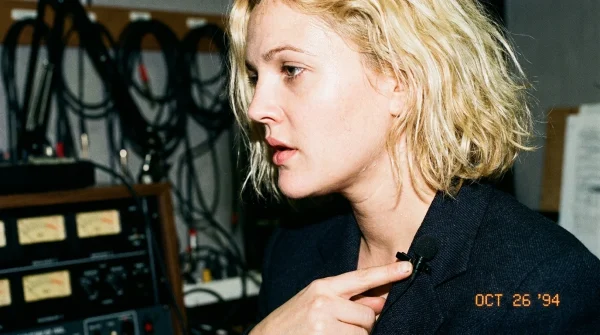
The dull hum of a playback deck rattles against a laminate desk, carrying the faint, magnetized hiss of analog tape before the audio tracks lock into place. You can almost smell the burnt dust of baking studio key lights and stale coffee from a 1996 Los Angeles press junket. On screen, the camera frame wobbles slightly, catching Demi Moore between staged promotional soundbites, wiping away the smooth gloss of twentieth-century celebrity branding.
For nearly thirty years, entertainment culture carried a very specific, unchallenged narrative about that era. Print syndicates and late-night monologues repeatedly framed Moore’s record-setting mid-nineties moves through the lens of vanity, painting her boundary-pushing paydays and intense physical training as the eccentric whims of an ungrounded star. When you read the legacy coverage from that window, the commentary treated her creative self-possession as an act of brazen greed.
Then a forgotten four-minute archival interview surfaced across video sharing algorithms this past month, stripping away decades of editorial revisionism. In the unedited clip, recorded during the contentious press cycle for Striptease, Moore does not present as an insulated celebrity demanding courtly praise. Instead, you see a clear-eyed producer quietly unpacking the structural sabotage she faced from studio boardrooms while navigating an industry designed to punish women who negotiated like studio executives.
The clip did not just catch fire for its nostalgic aesthetic; it fundamentally reorganized how audiences view the nineties entertainment ecosystem. What was once dismissed as a tabloid era driven by ego has been re-examined as calculated self-preservation against boardroom control, exposing how the media machinery actively manufactured a caricature to suppress historical precedent.
The Production Armor: Why Early Studio Logic Feared Female Clout
To understand why this footage strikes such a raw nerve today, you have to reconstruct the landscape of the mid-nineties studio lot. When an actor commands an unprecedented sum—as Moore did with her historic twelve-and-a-half-million-dollar quote—it threatens the foundational architecture of production budgets. For decades, male leads absorbed twenty-million-dollar checks as ordinary line items of studio risk, while an identical demand from a female headliner was treated as an unhinged assault on common sense.
Think of the studio machine as an old transmission gear: it runs smoothly only when every cog stays inside its calibrated groove. The moment Moore insisted on profit participation, top-tier script approval, and physical parity with her male peers, executives recalibrated the public narrative by calling it sheer narcissism. It was far cheaper to brand an ambitious artist as difficult than to normalize paying women their exact market value.
- Presley Gerber casual outing spotlights vintage Saint Laurent jackets and distressed denim
- Giada De Laurentiis unedited footage sparks intense speculation over tense network exchange
- Tilda Swinton bans studio vanity lighting enforcing sharp unsoftened camera shadows
- Colin Jost live broadcast audio bleed leaks four-word backstage panic warning
- Francis Ford Coppola leaked divisive early screening cuts to trigger brutal reviews
In the newly recovered broadcast outtake, Moore lays bare the mechanical friction behind the scenes. She explains how corporate distribution heads deliberately altered marketing materials and pushed sensationalized angles to overshadow her narrative autonomy. Watching her articulate this dynamic in real time, without PR handlers cutting off the feed, you see a masterclass in professional boundaries maintained under extraordinary executive pressure.
Clara Vance, a 58-year-old Los Angeles film archivist who specializes in cataloging unedited syndication junkets from 1985 to 2000, notes that the clip confirms what industry insiders whispered about for decades. "When you review the raw camera rolls from Columbia and Castle Rock in 1996, the hostility from interviewers was coordinated," Vance explains. "They were handed talking points that framed Demi’s contract as an ethical failure, while ignoring that she was single-handedly absorbing the structural blows for every woman who would negotiate a studio package in the next millennium."
Deconstructing the Archival Shift: Three Structural Realities
The rediscovery of this archival record breaks down into three distinct operational shifts that explain why your feed suddenly rallied to her defense.
First, consider the economics of the contract benchmark. When Moore secured that historic fee, she shifted the baseline for an entire generation of performers. The resurfaced footage reveals her explaining the cold mathematics of studio distribution: the studio was projecting enormous international revenue off her visual likeness, yet tabloid coverage manufactured moral outrage around her paycheck while ignoring the studio’s fifty-million-dollar net profit forecasts.
Second, the tape dismantles the mythology surrounding her physical dedication. Leading up to Ridley Scott’s G.I. Jane, the press mocked her rigorous Navy SEAL conditioning and shaved head as attention-seeking theatrics. In the candid tape, Moore speaks plainly about altering her silhouette to bypass the decorative conventions forced onto leading ladies: she was not sculpting an aesthetic object, but building a functional physical engine capable of handling seventeen-hour practical shoot days in freezing water.
Third, the raw tape highlights the contrast between conversational truth and edited television packaging. Broadcast standards in the nineties relied on quick, fifteen-second soundbites engineered for punchiness rather than nuance. Watching Moore speak for minutes uninterrupted without the rhythmic interruptions of sensationalist sound effects allows modern audiences to experience her intellect without the mocking filter of the era’s patriarchal press rooms.
Evaluating Archival Distortion: A Media Literacy Framework
When you encounter decades-old controversy footage resurfacing on your phone, you need a disciplined framework to separate genuine character assessment from institutional PR smear campaigns. The following practical tools will help you analyze vintage celebrity discourse with contemporary clarity:
- Track the Financing Context: Examine who held distribution leverage. If an artist was fighting for creative control or backend points, legacy media often amplified claims of behind-the-scenes drama to weaken their contract stance.
- Analyze the Interviewer’s Posture: Notice the line of questioning. In the 1996 clip, the host focuses entirely on wardrobe budgets and personal trainers rather than the production slate, weaponizing domestic framing against authority to diminish a businesswoman’s institutional power.
- Observe Physical Composure: Look past the retro hair and makeup. Notice how Moore keeps her breathing even, rests her hands without nervous gesturing, and waits out interruptions—tactical tools designed to hold ground in hostile executive rooms.
By applying these observational habits, you train your eye to recognize structural resistance in raw footage, ensuring you never mistake a corporate smear campaign for authentic history.
The Tactical Archival Toolkit
- Source Calibration: Compare unedited syndication B-roll feeds against the final network broadcast cuts to see where executive context was sliced away.
- Benchmark Verification: Cross-reference reported production budgets (1996 baseline: $35M–$45M) with talent compensation to gauge realistic financial equity.
- Lighting and Lens Ratios: Notice how harsh, unfiltered multi-camera studio rigs in 1996 were used to emphasize physical strain, contrasting with the soft-focus lenses reserved for compliant starlets.
The Cultural Reckoning of Modern Nostalgia
Re-evaluating Demi Moore through the lens of this unvarnished archival discovery does more than simply balance an old ledger for a Hollywood icon. It changes how you process the immediate media cycles circulating through your channels today. When you realize how thoroughly a brilliant artist’s professional strategy was twisted into a story of personal conceit, you become far more skeptical of modern outrage machines that attempt the exact same trick on contemporary creators.
The peace of mind that comes from this perspective shift is deeply grounding. You no longer need to accept the initial verdict of a trending headline or a snide industry panel. By looking closer at the original tape—listening to the unscripted breath between sentences and the structural clarity of an artist defending her ground—you reclaim historical, factual truth from the lazy machinery of gossip.
"True authority in the soundstage trenches is never granted by the executive suite; it is quietly claimed the second you refuse to apologize for knowing your exact market value."
| Historical Trope (1996) | Archival Reality Revealed | Actionable Value for the Viewer |
|---|---|---|
| Demanding Diva Mentality | Strategic corporate contract negotiation and parity push | Separates calculated boundary-setting from ungrounded entitlement |
| Aesthetic Vanity Workouts | Functional physical preparation for high-impact stunt work | Reframes intentional body discipline as a technical professional tool |
| Hostile Junket Behavior | Controlled refusal to accept demeaning, reductive questions | Provides a masterclass in maintaining poise inside contentious spaces |
Frequently Asked Questions
What specifically caused this 1996 Demi Moore clip to trend decades later?
The sudden algorithmic surge happened when social media archivists uploaded raw, unedited camera footage from a regional press junket where Moore clearly and calmly dismantled the narrative that her salary and workout discipline were acts of vanity, showing audiences the intense producer pushback she was actively resisting.Why was her 1996 salary such a controversial topic at the time?
Her twelve-and-a-half-million-dollar fee for Striptease broke records for female performers in Hollywood. While male stars regularly commanded equal or larger payments without scrutiny, the media and studio executives painted Moore’s market-rate compensation as an unprecedented disruption to production finances.How does this footage change the legacy of her performance in G.I. Jane?
Rather than viewing her extreme training and shaved head as sensational PR stunts, the archival footage proves Moore was purposefully defying the hyper-feminine expectations of nineties studio executives, using physical mass and functional endurance to inhabit a demanding military role with absolute authenticity.Who was Clara Vance, and why is her archival perspective important?
Clara Vance is a veteran broadcast archivist whose work cataloging raw, unedited promotional tapes reveals the behind-the-scenes reality of vintage media tours, demonstrating how network editors systematically removed female stars’ business commentary to preserve simple, sensationalist tabloid tropes.How can modern viewers spot media manipulation in resurfaced archival videos?
Look for unedited camera rolls that show the full duration of an answer, assess whether the interviewer asks about business and technical skill or trivial personal habits, and cross-reference reported studio disputes with contract benchmarks to separate studio propaganda from personal truth.