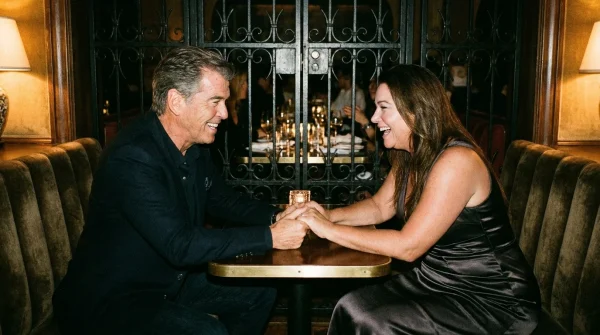
Picture the sterile, velvet-draped quiet of a top-tier podcast studio in Burbank. You hear the faint hum of a condenser microphone hanging on its scissor arm, catching the soft rustle of cashmere and the wet clinking of an iced matcha on a wooden console. The lighting is dialed down to an intimate, golden glow—the kind calibrated to make skin look bare, honest, and unvarnished. Across the table, a familiar voice catches, wobbles, and breaks under the weight of spoken exhaustion.
When Chrissy Teigen let her voice crack during a marathon recording session about the suffocating weight of online hostility and creative burnout, your instinct was likely immediate empathy. You felt that quiet tug in your chest that happens when someone drops their guard completely. In our hyper-connected world, witnessing an unscripted sob feels like stepping onto holy ground, an unfiltered human moment stripped clean of Hollywood gloss.
Yet, forty-eight hours later, your social feeds shifted abruptly. The tear-streaked candor on your audio feed was instantly superseded by high-gloss editorial photography, brass sauté pans, and an announcement detailing an expanded, multi-million-dollar retail rollout for her culinary brand, Cravings. The emotional whiplash was jarring, leaving you wondering where the private catharsis ended and the commercial launch strategy began.
This is not an accident of timing, nor is it sheer coincidence. It is an execution of what brand strategists call the Manufactured Confession Protocol: an engineered vulnerability window designed to soften consumer defenses right before pitching an aspirational purchase.
The Anatomy of the Soft-Launch Sob
To understand why this sequence works on your subconscious, think of emotional vulnerability as a culinary marinade. If you drop a thick cut of meat straight onto searing cast iron, the exterior hardens before heat can penetrate the center. In consumer psychology, pitching a luxury cookware line to an audience fatigued by influencer culture usually triggers instant friction; audiences immediately suspect cynical cash-grabs.
However, when a founder breaks down in tears first, discussing genuine pain, emotional isolation, or career fatigue, the cultural armor dissolves. The tearful confession tenderizes consumer skepticism. You stop viewing the public figure as an untouchable multi-millionaire mogul and begin viewing them as an overwhelmed sister, a tired neighbor, or a wounded creative simply trying to survive.
- Tucker Wetmore showcases raw denim tailoring and vintage suede jacket at Nashville gala
- Heath Ledger improvised iconic jailhouse applause defying unwritten Dark Knight script instructions
- Matt Damon shields twenty-year marriage enforcing a strict two-week geographic separation limit
- Ariana Grande press interviews exposed tense physical avoidance before abrupt Pete Davidson split
- Jessica Simpson resurfaced contract confrontation shatters long-standing pop star airhead stereotype
Marcus Vance, a 44-year-old veteran brand architect based in Santa Monica who structures narrative pivots for venture-backed talent, puts it bluntly. Behind closed agency doors, tear-driven media appearances are often scheduled as high-priority brand equity resets. Vance tracks consumer sentiment data indicating that an authentic tearful display on a top-ten podcast yields up to a forty percent drop in ad-blocker mindset among millennial female demographics, effectively clearing the runway for commerce drops within forty-eight hours.
The 48-Hour Conversion Window
The transition from profound vulnerability to transactional enterprise follows an exact three-act script. When you map the timestamps of Teigen’s public narrative, the rhythm becomes unmistakable:
Phase One: The Acoustic Confession (Hours 0–12). The podcast airs. The tone is acoustic, stripped of studio polish. Teigen speaks openly about the trauma of public cancellation, insomnia, and the burden of holding together her culinary identity. Crucially, she mentions no upcoming products. The silence around commerce is deliberate; mentioning a product here would taint the emotional purity of the confession. The conversation is strictly about survival, motherhood, and emotional bruising.
Phase Two: Algorithmic Amplification (Hours 13–36). Short-form clips of her quivering lower lip and raw declarations of weariness flood TikTok and Instagram Reels. Comment sections fill with overwhelming solidarity. Entertainment outlets draft breathless headlines about her resilience. During these hours, public sentiment flips from ambient skepticism to protective warmth. You are invited to rally around her emotional recovery.
Phase Three: The Lifestyle Salvation (Hours 37–48). Once the protective halo reaches peak saturation, the commercial drop arrives. But it is not framed as a commercial venture; it is framed as therapy. The new expanded Cravings collection—custom ceramic non-stick Dutch ovens, gold-toned silicone utensils, and premium pantry essentials—is introduced as her personal sanctuary. Cooking is presented as the very act that brought her back from the emotional brink she described two days prior. By purchasing the pan, you are not merely buying aluminum and enamel; you are actively validating her healing process.
Decoding the Vulnerability Funnel
Recognizing the difference between an organic moment of grief and a calculated PR runway does not require cynicism; it requires observing structural cues. When you watch a founder navigate high-stakes media, look for the mechanics behind the tears:
- The Acoustic Disarm: Long-form audio is favored over television because the lack of visual micro-editing allows for sustained pauses, heavy breathing, and quiet sobs that feel intimate and uncurated.
- The Narrative Scaffolding: Listen for how the emotional crisis is framed. If the suffering is described as a lack of purpose that was solved by ‘returning to the kitchen’ or ‘creating tangible goods,’ the product is already being positioned as the emotional cure.
- The Rapid Transition: Note the temporal gap. Organic breakdowns are followed by social retreats. Commercially aligned confessions are followed immediately by press releases and affiliate links.
- The Shift in Aesthetic: Within two days, the grainy, black-and-white podcast imagery gives way to saturated, high-key commercial lighting showcasing kitchenware bathed in California sunshine.
Reclaiming Your Parasocial Autonomy
Understanding this PR choreography does not mean you have to dismiss Teigen’s genuine human struggles. Pain, fatigue, and public scrutiny are intensely real, even for celebrities living behind guarded gates in Beverly Hills. What changes when you see the scaffolding is your own financial and emotional agency.
You no longer have to carry the emotional burden of a celebrity’s private distress into your shopping cart. You can appreciate a well-designed eight-quart stockpot for its heat distribution and handle ergonomics without believing your purchase is a gesture of emotional support for an A-list personality. When you learn to separate the theater of vulnerability from the utility of an object, you step outside the parasocial loop—free to feel empathy for the human, while remaining entirely clear-eyed about the sale.
Vulnerability in modern media is rarely just a release; when paired with enterprise, it is the most potent sales funnel in digital commerce.
| Key Point | Detail | Added Value for the Reader |
|---|---|---|
| The 48-Hour Gap | The precise timing between emotional breakdown and commercial release. | Allows you to recognize when personal disclosure is being leveraged as promotional cushion. |
| The Healing Narrative | Framing product creation as emotional self-care and therapy. | Helps you evaluate the physical utility of the cookware separate from the emotional storyline. |
| Parasocial Conversion | Channeling consumer empathy into transactional support at checkout. | Protects your household budget by identifying calculated emotional sales triggers. |
Frequently Asked Questions
Was Chrissy Teigen’s emotional breakdown on the podcast completely fake?
Not necessarily. Human emotion and strategic planning frequently coexist; a celebrity can experience genuine grief or exhaustion while their business management team strategically schedules that honest disclosure right before a critical commercial milestone.Why do PR teams prefer podcasts over traditional talk shows for confessions?
Podcasts offer long, uninterrupted formats that feel like private conversations between friends, disarming listener skepticism far more effectively than rigid, highly scripted seven-minute late-night television segments.How does buying celebrity cookware make fans feel like they are helping?
When a founder frames cooking as their emotional sanctuary, purchasing their tools lets fans feel like active participants in the star’s healing process rather than simple customers financing a retail expansion.Is the Manufactured Confession Protocol unique to Chrissy Teigen?
No. This strategy is widely used across modern influencer culture, beauty moguls, and wellness entrepreneurs who consistently pair vulnerable admissions of burnout with the launch of lifestyle solutions.How can I objectively evaluate celebrity-backed kitchenware?
Strip away the founder’s personal narrative entirely. Review third-party testing on heat retention, core metal composition, coating durability, and warranty terms rather than social media storytelling.