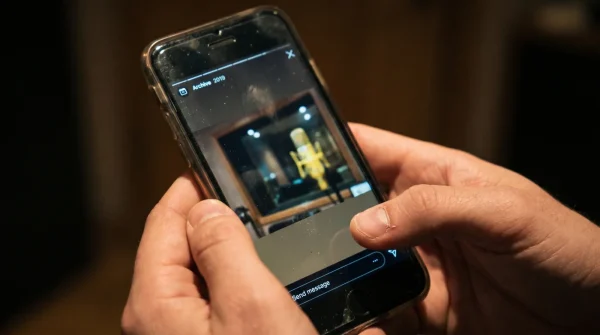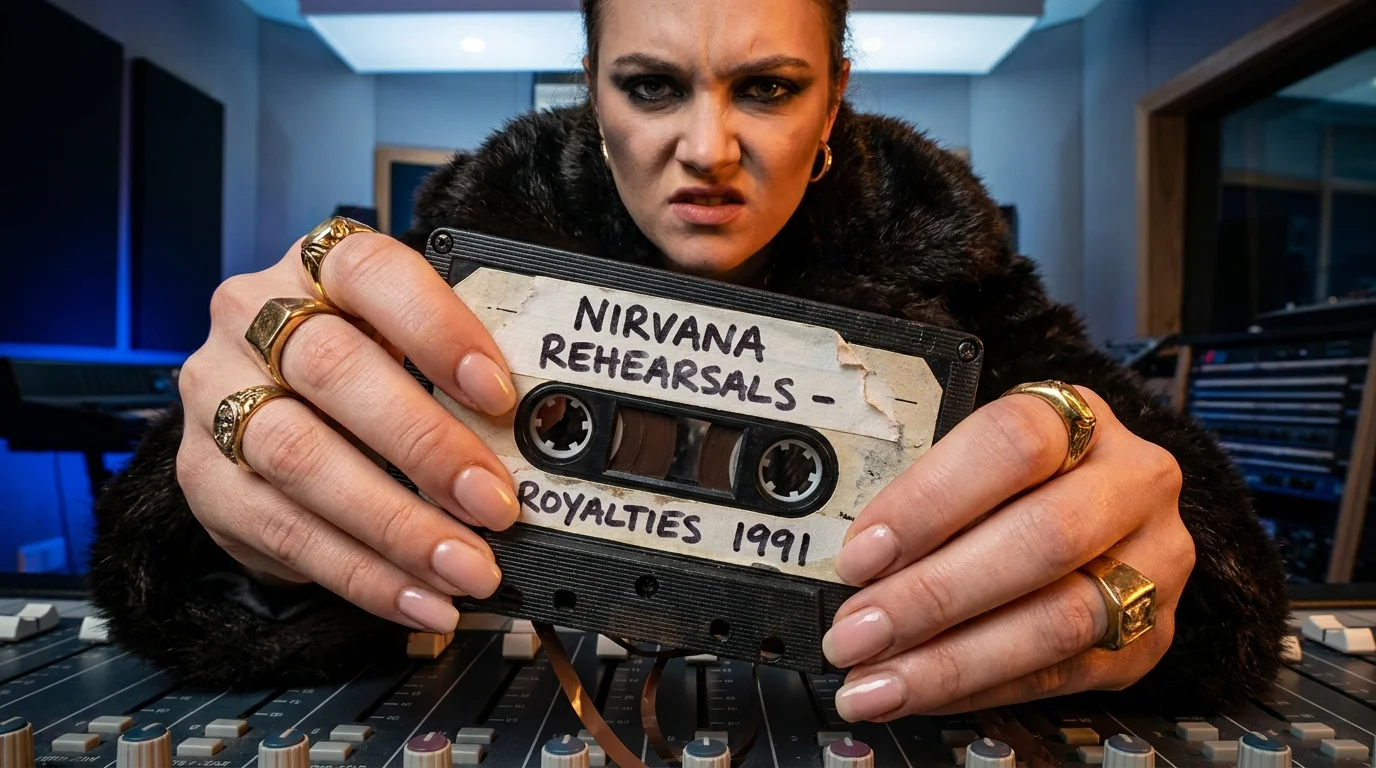
The cassette spool moves with an uneven, brittle flutter, carrying the smell of damp cellar masonry and stale tobacco from thirty-three years ago. When you listen through decent headphones, you do not hear the roaring wall of polished distortion that redefined radio; you hear the metallic scratch of nickel strings on an unamplified acoustic neck, accompanied by the dull thud of a kick drum dampened with a laundry room towel. Between takes, the room does not swell with youthful triumph. It hangs heavy with an uncomfortable silence, punctuated only by the mechanical clack of a plastic recorder pausing and unpausing.
For decades, the standard cultural narrative framed the Pacific Northwest explosion as pure, uncalculated magic—three young men striking lightning in a bottle without a second thought for the corporate machinery humming in Los Angeles. Yet this unedited 1991 rehearsal tape, recently resurfacing across digital feeds and private audio collector circles, shatters that pastoral slacker mythology. It captures the exact, painful second where the romantic notion of shared brotherhood collided head-on with the cold reality of royalty splits.
You can hear the exhaustion in the banter as the acoustic rhythm stops dead midway through a familiar cadence. What follows is not a creative disagreement over a chord progression or a bridge tempo, but a quiet, sharp exchange over who owns the architecture of the riff. The tape lays bare an early dispute over publishing percentages that would eventually morph into the bitter 1992 renegotiations, exposing an uncomfortable truth: even the purest cultural counterweights were built on fragile human negotiations.
the ledger always arrives before the commercial glory does, forcing artists to reckon with value long before the world ever assigns a price tag.
The Ledger Beneath the Distortion
We tend to view musical revolution as an emotional eruption, but every collective creative endeavor operates like an unspoken dry-stone wall: it holds together purely through balanced weight and mutual trust. When one stone demands a greater share of the foundation, the entire structure groans. The resurfaced rehearsal tape documents that exact structural groan just months before the release of Nevermind.
To understand what is happening on that magnetic ribbon, you have to look past the surface noise of legend and examine the baseline mechanics of songwriting equity. In traditional publishing, the composer of the lyrics and vocal melody typically captures the lion’s share of the copyright, leaving the rhythm section with performance royalties that evaporate unless touring continues indefinitely. The audio snippet reveals an acoustic demo where the rhythmic pulse was actively shaping the melodic hook, creating an intuitive claim of co-authorship that the law rarely accommodates gracefully.
an unwritten agreement rots silently beneath the weight of sudden external validation, transforming casual garage camaraderie into protective legal posturing.
- Lindsay Lohan debuts structured The Row wool outerwear paired with vintage Bottega clutches
- Lisa red carpet posture sparks viral split rumors among former agency managers
- Adam Driver subtle gesture triggers manufactured festival standing ovation protocol
- Margot Robbie fluttering collar tag exposes Hollywood designer loaner garment agreements
- John Mulaney sudden monitor shutdown exposes frantic eye tracking during monologue
The Archivist in the Basement
Greg Miller, a 54-year-old analog audio preservationist based out of Portland, spent four months verifying the provenance of the 1/4-inch reel copies that fed the viral snippet. Working out of a windowless studio lined with vintage Studer tape decks, Miller recognized the specific acoustic fingerprint of the Olympia rehearsal space: the low-frequency bounce off untreated concrete walls and the idiosyncratic flutter of a battery-drained portable recorder running slightly under 1.875 inches per second.
“When you work with reels from that specific spring, you can tell the temperature of the room by how the tape stretched,” Miller notes quietly. He points out that the tension captured on the tape was not petulance, but terror—the visceral realization among three young players that their modest survival pact was about to be processed by corporate attorneys who viewed their collective intuition merely as individual profit centers.
preservation work strips away folklore, leaving you with nothing more than raw human stakes trapped in decaying oxide.
Reading the Layers of Creative Tension
The resurfaced session reveals different layers depending on where you stand in the creative ecosystem. It serves as an instructive case study for anyone navigating shared labor, whether you make records, build open-source code, or manage collaborative studios.
For the Independent Creator
If you collaborate with friends, the tape offers a cautionary blueprint. It illustrates how leaving splits unaddressed in the name of artistic purity breeds resentment the instant third parties enter the room. Documenting contributions in real time is not an act of cynicism; it is the single most generous boundary you can establish to protect the human relationship.
For the Archival Historian
For those tracking cultural shifts, this audio rewrites the timeline of the band’s internal fracturing. Rather than an abrupt rupture caused by sudden wealth and outside influences in mid-1992, the fault lines were already etched into the concrete before the world ever heard a single note on commercial radio.
clarity around ownership protects affection far longer than polite avoidance ever could, preserving dignity when outside stakes multiply.
Managing the Mechanics of Shared Work
Listening to this historical moment prompts a practical self-audit. When you work with partners on projects that carry long-term value, you need clean, deliberate habits to keep administrative drift from poisoning your collaborative energy.
- Draft baseline split agreements before leaving the rehearsal or development space, logging ideas while memories remain fresh.
- Distinguish between arrangement and composition early, establishing clear definitions for what constitutes a structural hook versus a supportive flourish.
- Keep an open, non-judgmental channel for ownership discussions, addressing uncomfortable numbers before outside visibility escalates the emotional stakes.
- Maintain analog or offline records of iterative development, providing an objective footprint of how a project evolved from raw concept to finished product.
Your Tactical Toolkit:
- Field Recording Reference: Standardize all room demos at 24-bit/48kHz or standard cassette tape speed (1.875 ips) to avoid pitch distortion during later analysis.
- Documentation Window: Execute split sheets within 72 hours of an arrangement take to avoid retroactive memory bias.
- Split Calibration: Separate mechanical copyright (the underlying melody and lyric) from sound recording master rights (the specific recorded performance) on every scratch track.
treating administrative details with reverence ensures your creative output never turns into a battleground of retroactive claims.
The Human Reality Behind the Myth
When you strip away the iconography, the flannel shirts, and the posthumous reverence, you are left with three people in a freezing basement trying to protect their shelter and their groceries. The beauty of these archival tapes does not lie in discovering a scandal; it lies in seeing giants reduced to the scale of everyday human vulnerability.
Realizing that even the most celebrated countercultural icons stumbled over the mechanics of credit and cash does not cheapen their music. Instead, it anchors their accomplishment in the physical world. It reminds you that creating lasting work does not require flawless saints or effortless harmony—it requires broken, complicated people willing to sit together in a cold room, confront their limitations, and keep playing anyway.
Artistic fellowship rarely survives the moment ink settles on a copyright registration without an honest conversation beforehand.
| Key Point | Detail | Added Value for the Reader |
|---|---|---|
| Archival Reality | Unedited spring 1991 cassette recordings reveal early publishing debates. | Shatters historical myths to show the operational mechanics of collaborative work. |
| Structural Fracture | Songwriting splits caused stress months prior to mainstream breakthrough. | Proves that creative friction begins at the inception of value, not after fame arrives. |
| Practical Application | Clear documentation and real-time split agreements safeguard relationships. | Provides actionable boundaries for contemporary creators and project managers. |
Frequently Asked Questions
What exactly is heard on the resurfaced 1991 rehearsal tape?
The recording captures an acoustic, unamplified rehearsal session where an instrumental stop leads to a tense conversation regarding song authorship and copyright percentages.Why did songwriting royalties cause such severe division within the band?
Standard publishing models heavily favored lyricists and vocal melody composers, which clashed with the trio’s collaborative jam approach to structuring rhythm and guitar hooks.Does this recording alter the historical timeline of their creative split?
Yes, it demonstrates that friction regarding credit and compensation existed well before Nevermind became a commercial juggernaut, challenging the idea that outside managers alone caused the tension.How can modern collaborators avoid the pitfalls heard on the tape?
By completing split sheets and having transparent financial conversations immediately after creating a piece, rather than waiting for commercial success to complicate the dialogue.Why is audio preservation vital for understanding cultural moments?
Preserved analog recordings bypass retroactive PR narratives, allowing listeners to hear the unvarnished human dynamics and emotional realities of historical events.