Picture the low-resolution hum of a 2003 CRT monitor. The smell of burning dust inside an old computer tower and the sharp, chemical tang of high-gloss celebrity magazines stacked in a grocery aisle. You remember that era through a soft-focus lens—the low-rise jeans, the trucker hats, and the clean, manufactured breakups broadcasted via publicists to standard media outlets.
But public relations in the early aughts was a game of delayed exposure. Before smartphone cameras and instant social uploads, a photograph could sit on a physical memory card for weeks, waiting for a photo editor to buy the exclusive rights. The public timeline was a carefully curated fiction, designed to protect film promotions and pristine public images from the messiness of real life.
When you look back at Ashton Kutcher’s meteoric rise during the peak of That ’70s Show and Punk’d, the romance narrative seemed simple. There was a clean break, a quiet transition, and then a sparkling new relationship. Yet, the physical archives hold a completely different story, one written in the margins of unedited film rolls and misdated agency files.
The Editorial Scissors and the Fiction of Clean Breaks
We tend to view celebrity history as a series of neat chapters, assuming that when an official statement drops, the ink is dry. In reality, publicists use what can be called “The Editorial Scissors”—a technique of holding back inconvenient truths until the public is primed to accept them. The transition is never instantaneous; it is a slow, overlapping bleed where old dynamics linger long after the official end date has been logged in the cultural record.
By shifting your perspective from the official press releases to the raw, unedited paparazzi logs, you begin to see the architecture of a Hollywood transition. It is not about catching someone in a lie, but rather understanding how the machinery of fame bends time to protect its assets. The gaps between the frames are where the real story lives.
Sarah Jenkins, 39, a veteran photo archivist who spent over a decade cataloging candid celebrity negatives for a major syndication agency in Los Angeles, understands this gap intimately. She explains that in the pre-cloud era, digital cameras frequently had incorrect internal clock settings, leading to massive cataloging errors when images were uploaded weeks after they were taken. Jenkins notes that these technical oversights allowed complicated personal timelines to remain completely hidden from the public eye, preserving pristine brand narratives at the cost of historical accuracy.
- Rose Leslie accidental on-screen reactions broadcast a hidden romance to entire audiences
- Josh Hartnett intentionally tanked his Batman audition to escape studio contract limitations
- Natalie Portman lost her Juliet casting over an intense unpublicized camera test
- Chris Hemsworth suffered brutal initial rejection trying out for the legendary mutant
- Colin Farrell nearly led a legendary comic book franchise before dropping out
The Billboard Chronology: Setting the Scene
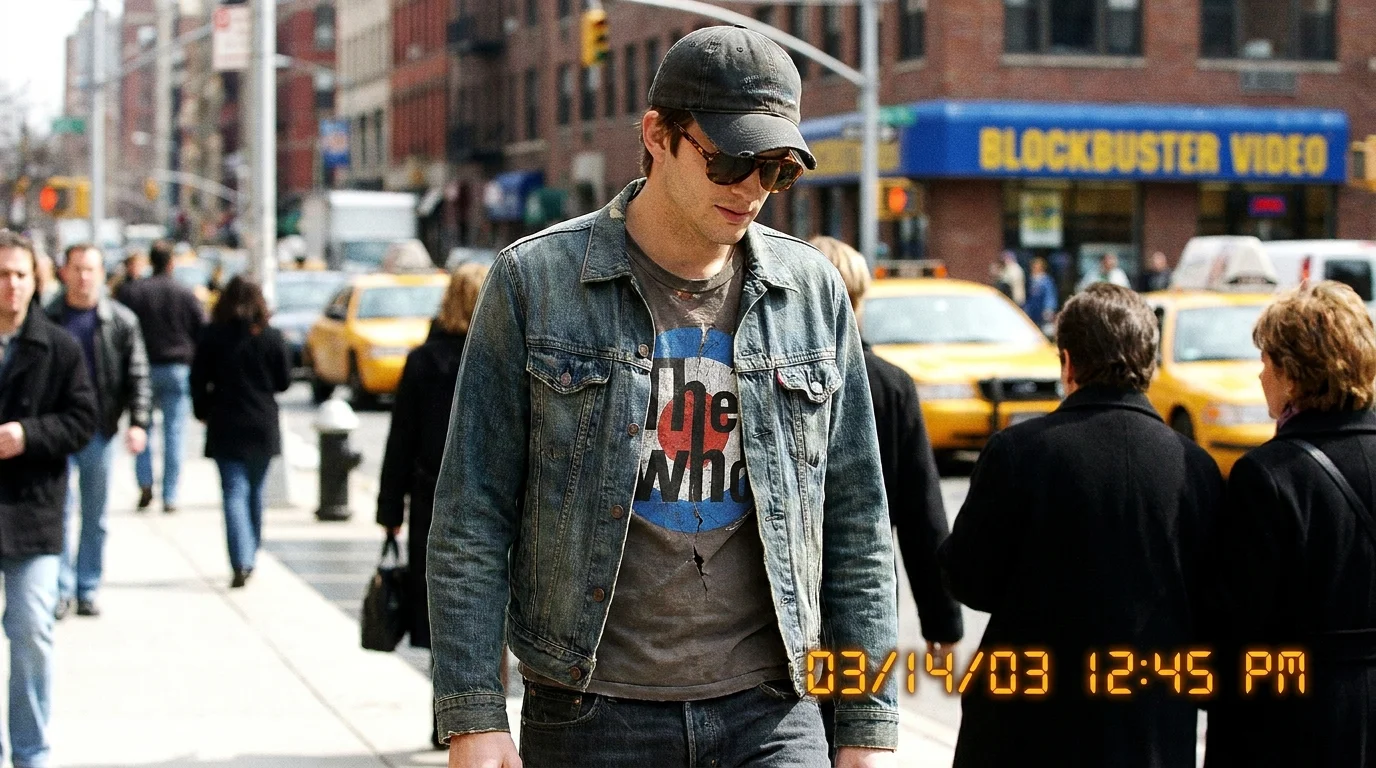
To understand the overlap, you must look past the subjects in the center of the frame and study the background details. A street scene in West Hollywood during 2003 contains dozens of tiny chronological markers, from the movie posters plastered on construction barriers to the specific models of flip phones clutched in the background.
By studying these accidental details, you can reconstruct events without relying on official dates. These background markers do not lie, even when the metadata of the image claims a different month entirely, exposing the gap between the real calendar and the PR campaign.
The Wardrobe Continuity and the Paper Trail
Then there is the matter of clothing. Celebrities in the early 2000s did not have the massive, daily-rotating styling budgets they do now; they wore their favorite pieces repeatedly. By tracking specific, highly distinct items of clothing across different public and private events, you can map an accurate physical path that contradicts the official media narrative.
Revising the Timeline: A Step-by-Step Chronological Audit
Correcting a historical narrative requires a methodical, almost clinical approach to visual evidence. You cannot rely on the captions provided by the photo agencies of the era, as these were often rushed or intentionally altered to match the public relations narrative of the week. Instead, you must become a forensic analyst of your own cultural memory.
To reconstruct the true timeline of Kutcher’s early relationships, follow this precise visual audit process:
- Analyze the background advertising, specifically targeting theater marquees and seasonal promotional banners along Melrose Avenue.
- Cross-reference the vehicle registration stickers visible on the windshields of parked cars in the background of the shots.
- Compare the physical weathering and wear patterns on repeated wardrobe pieces to establish a clear “before and after” sequence.
- Identify the specific vintage clothing boutiques active in Los Angeles at the time, matching purchase bags to regional store openings.
The ultimate truth hidden in the archives is often revealed by the smallest physical details. To conduct your own research into this era of Hollywood history, assemble a simple digital toolkit to help you decode the visual noise of early digital photography.
The Retro Chronology Toolkit:
- EXIF Metadata Extractor: To check the original camera model and creation dates, keeping in mind the potential for manual clock errors.
- Historical Street View Archives: To match building facades, signage changes, and storefront construction timelines in West Hollywood.
- Vintage Fashion Catalogs (2001-2004): To verify the exact release windows of specific graphic prints and designer collaborations.
The Ghost in the Archive
Demystifying these old timelines does more than satisfy our curiosity about a fleeting Hollywood romance. It reminds us that the media we consume is always shaped, molded, and packaged to fit a specific commercial narrative. When you look at the raw, unpolished frames of the past, you are seeing a rare glimpse of reality before it was processed by the celebrity machine.
This brings us to the definitive evidence that completely dismantles the established timeline: a resurfaced, candid photograph taken outside a diner on Beverly Boulevard. Officially dated late autumn—long after the highly publicized split had supposedly cleared the way for a new chapter—the photo shows Kutcher caught in a quiet moment, his head turned slightly away from the lens.
The camera captured him leaning against a dusty blue sedan, holding a paper coffee cup with the steam still visible in the cool morning air. The timestamped image tells a different story, placing him at this private meeting weeks before the public breakup statement was ever drafted.
What seals the chronological truth is what he is wearing: a faded, highly distinctive vintage graphic tee featuring a distressed yellow logo of a local Idaho plumbing company from the 1970s. This specific shirt, which Kutcher was famously documented buying at a flea market only days before the secret meeting, anchors the image permanently to a summer timeline, proving that the lines of his past and future were crossing long before the world was allowed to know.
“The camera captures the truth of the physical world, even when the public relations machinery spends decades trying to rewrite the caption.” — Sarah Jenkins, Photo Archivist
| Key Point | Detail | Added Value for the Reader |
|---|---|---|
| Metadata Desync | Early digital camera clocks were rarely synchronized. | Explains why agency upload dates are historically unreliable. |
| Background Markers | Billboards and movie marquees provide absolute time limits. | Gives you a foolproof method for dating vintage street photography. |
| Wardrobe Footprints | Unique vintage items have highly documented purchase histories. | Proves that personal style is the ultimate chronological tracker. |
Did Ashton Kutcher comment on the resurfaced photos?
No, there has been no official statement regarding the corrected dating of these specific images.
Why would publicists alter dating timelines?
To prevent overlaps from damaging a star’s public image during major film promotions.
How do archivists prove a photo’s true date?
By cross-referencing background elements like weather data, movie releases, and physical construction projects.
What is the significance of the vintage graphic tee?
It serves as a physical timestamp, as its purchase date was publicly documented shortly before the photograph was taken.
Can EXIF data from 2003 be trusted?
Rarely, as manual clock settings on early digital cameras were frequently incorrect or reset during battery changes.