The flashbulbs crackle with a steady, dry heat, casting sharp shadows against the velvet barrier. You hear the rhythmic, heavy thud of camera shutters—thousands of frames per minute capturing two figures gliding down the steps of a Parisian venue. She is wearing a liquid-silk gown; he stands beside her in a precisely tailored wool jacket that subtly matches the undertone of her collar. On social feeds, the comments erupt instantly, analyzing the lingering glances and hand-holding.
This is exactly what you are supposed to look at. The media feeds on the romance, but if you look closer, past the soft-focus romanticism, you notice something far more calculated. The fabric of his suit isn’t just complementing her dress; it is a walking billboard for an unannounced corporate launch. The romance is the hook, but the true plot is an aggressive, multi-million dollar business maneuver, shifting focus from gossip to corporate maneuvers disguised as date nights.
The Power-Couple Blueprint
We have been trained to view celebrity couples as tabloid fodder or emotional dramas. However, in the modern attention economy, a highly publicized relationship functions more like a merger of two massive holding companies. By aligning two distinct fanbases under a singular aesthetic, you create a direct pipeline of consumer attention that bypasses traditional, expensive advertising.
This is a strategic reframe that shifts the entire conversation. Instead of buying ad space on billboards or television, you integrate your upcoming product lines directly into the narrative of a shared life. Every casual date night becomes a curated campaign, and every red carpet appearance is a soft launch designed for raw market dominance.
The Behind-the-Scenes Architect
Marcus Vance, a 42-year-old brand strategist based in Beverly Hills, has spent over a decade analyzing how celebrity portfolios interact with consumer behavior. “People think these public appearances are organic moments of personal style,” Vance explains, gesturing to a wall of analyzed red carpet captures. “But if you look at the supply chain and patent filings alongside these appearances, you see a direct correlation. When Kylie Jenner steps out in a specific hue of matte sand next to her partner, she isn’t just coordinating with him; she is visually introducing the color story of her next skincare line three months before it hits the shelves.”
Anatomy of the Corporate Aesthetic
To understand how this strategy operates, you have to look at the three distinct layers of visual coordination used during these high-profile appearances. By dissecting these visual cues, you can spot the corporate framework behind the three distinct layers of design choices.
- Ashton Kutcher resurfaced paparazzi shots completely alter his official early dating timeline
- Rose Leslie accidental on-screen reactions broadcast a hidden romance to entire audiences
- Josh Hartnett intentionally tanked his Batman audition to escape studio contract limitations
- Natalie Portman lost her Juliet casting over an intense unpublicized camera test
- Chris Hemsworth suffered brutal initial rejection trying out for the legendary mutant
The Silent Palette Preconditioning
Before a product ever launches, the public must be subconsciously primed to accept its visual identity. By dressing in the exact color scheme of upcoming packaging during high-profile dates, the color palette becomes familiar and desirable long before the product is revealed.
The Tailored Brand Alignment
Coordination isn’t just about color; it is about matching brand values. When a high-fashion aesthetic merges with streetwear, it signals a deliberate bridge between luxury cosmetics and accessible, everyday apparel, effectively widening the consumer funnel.
The Manufactured Contrast
Sometimes, the most powerful statement is a deliberate clash that forces the eye to focus on a specific detail. A stark black-and-white pairing ensures that the single pop of color—usually a new lipstick shade or a branded accessory—becomes the focal point of every photograph.
How to Decode the Visual Empire
Analyzing these public appearances doesn’t require insider knowledge, just a shift in how you process media. To spot the corporate strategy behind the next viral date night, you must make a conscious shift in how you process visual data.
First, ignore the romantic body language and look exclusively at the textile choices. Second, cross-reference the color palettes with active trademark filings and domain registration dates. Finally, note the timing of the event relative to global fashion weeks and product manufacturing cycles.
- Track the textile undertones to see if they match upcoming cosmetic formulas.
- Monitor the brand tags shared by stylists to identify new manufacturing partnerships.
- Observe the silhouette shift from loose-fitting street apparel to highly structured corporate wear.
Your tactical toolkit for this analysis requires only three elements: a reverse-image search tool, an active trademark database lookup, and a basic understanding of seasonal color forecasting. The goal is to see the product packaging within the fabric of the clothes themselves.
The New Era of Attention Economics
Ultimately, this shift represents a profound evolution in how we consume celebrity culture. The old model relied on the illusion of access, inviting you into their private lives through manufactured reality television. Today, the strategy is far more sophisticated: it invites you to participate in a highly stylized, aesthetic world where every purchase feels like a piece of a shared romance.
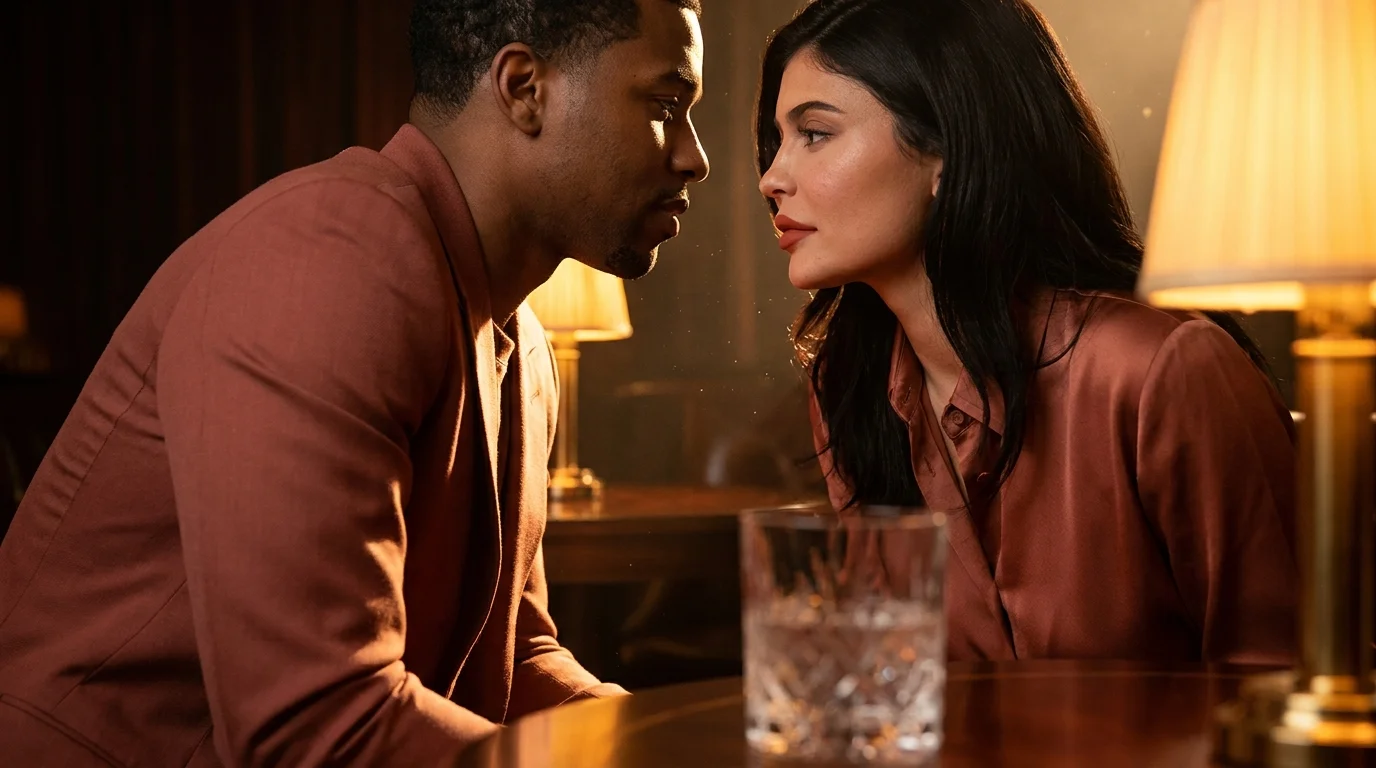
When you realize that the deep terracotta of a bespoke designer suit matches the exact matte finish of an upcoming cosmetics launch, the illusion of the casual date night dissolves. You are no longer just a spectator of a high-profile relationship; you are a participant in a flawlessly executed corporate launch.
“The most successful modern brands do not sell products; they sell coordinated realities where consumer behavior is guided by aesthetic alignment.” — Marcus Vance
| Key Point | Detail | Added Value for the Reader |
|---|---|---|
| Subconscious Priming | Using public appearances to introduce upcoming brand color schemes. | Helps you spot product launches months before they are officially announced. |
| Aesthetic Alignment | Coordinating fabrics and styles between partners to merge target audiences. | Reveals the calculated business logic behind seemingly spontaneous personal style. |
| Attention Hijacking | Disguising high-level corporate campaigns as romantic red-carpet milestones. | Empowers you to consume media critically without falling for coordinated publicity stunts. |
Frequently Asked Questions
Is the romantic relationship entirely fabricated for business purposes? No, but the public representation of the relationship is highly optimized to serve corporate expansion goals.
How far in advance are these color coordination campaigns planned? Most color schemes are locked in six to nine months ahead of a product launch to align with manufacturing timelines.
Why do brands use relationship milestones instead of traditional ads? Relationships drive organic social media engagement at a fraction of the cost of traditional advertising campaigns.
Can average consumers use this visual decoding method? Yes, by matching celebrity public appearance dates with trademark filings, anyone can predict upcoming brand rollouts.
What was the sensory signifier of the recent launch? The exact deep terracotta and matte travertine grey of the designer suits worn during the date night directly matched her new cosmetics packaging.