The air inside the dining room of the Candyland plantation set was thick with the scent of heavy wax candles, roasted meats, and the damp heat of a Louisiana stage. You could hear the faint, low hum of the air conditioning struggling against the studio lights, but under those lights, the atmosphere felt almost suffocating. The script demanded a slow-burn monologue—a calculated display of silver-tongued malice from a villain who took pleasure in his own theater. What it did not demand was real, dripping blood.
During the filming of Django Unchained, Leonardo DiCaprio reached a crescendo of theatrical rage. His character, Calvin Candie, was supposed to slam his hand down onto a heavy dining table to punctuate his horrifying worldview. But the human body does not always respect set design. Instead of landing flat on the solid oak, his palm collided directly with a delicate, heavy-bottomed crystal brandy snifter.
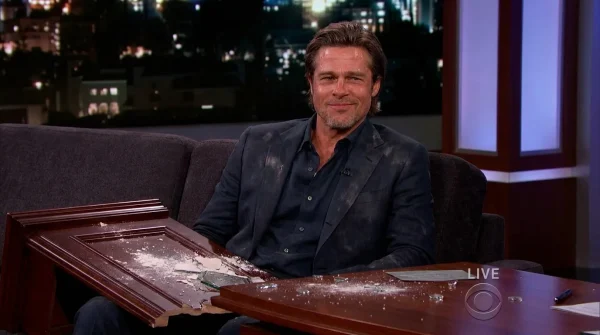
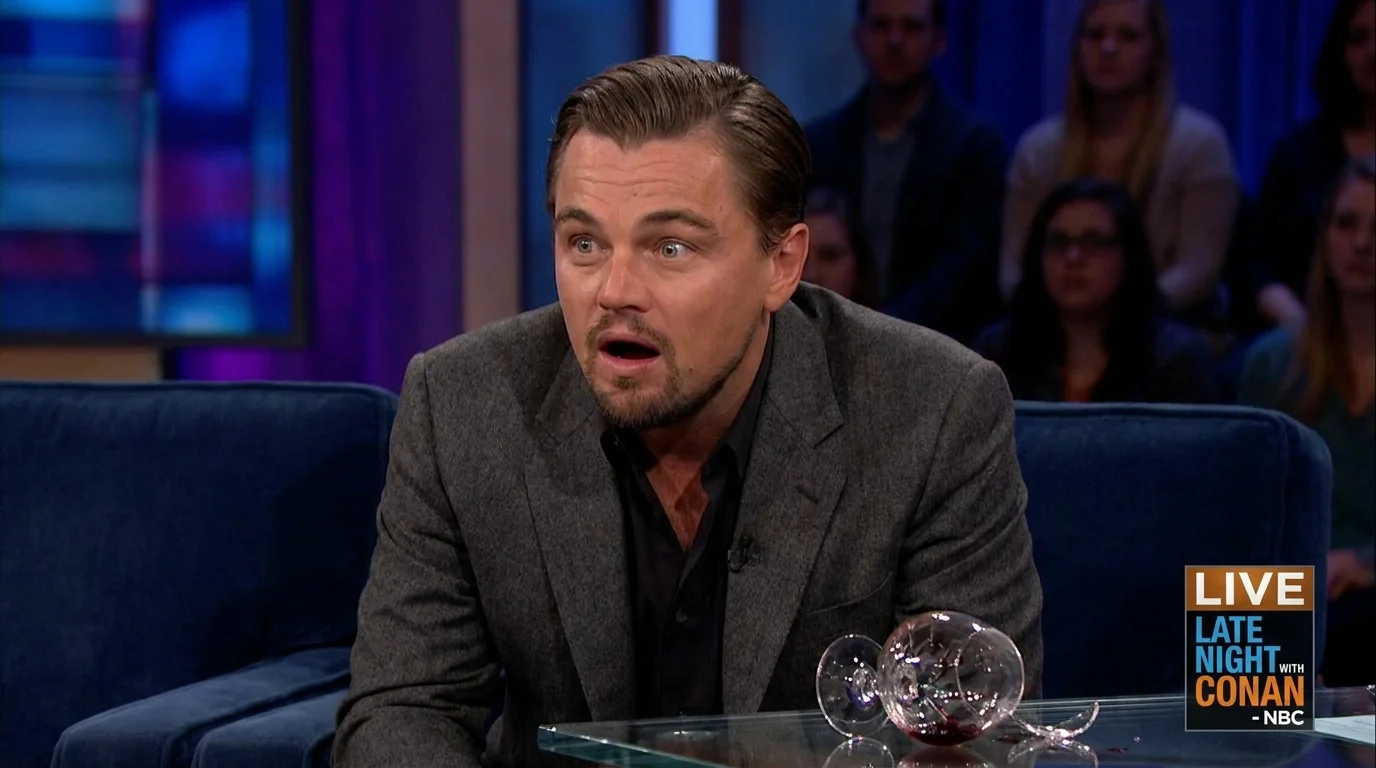
The glass shattered instantly. A smashed crystal brandy snifter covered in dark red smears sat on the wood, pieces of jagged lead crystal embedding themselves deep into his flesh. In that split second, the room held its collective breath, waiting for the inevitable word: Cut. Instead, they witnessed a masterclass in raw, unscripted commitment as DiCaprio simply incorporated his own mutilation into the scene.
Shattering the Perfect Script
We often treat cinema as a highly manicured machine, a sequence of events where every blink, sigh, and drop of sweat is pre-determined by a legendary director. This is particularly true when discussing Quentin Tarantino, a filmmaker famous for his rhythmic, hyper-detailed dialogue. Yet, the moment DiCaprio chose to keep going reveals a fundamental truth about high-level craft: the plan is merely a launchpad for the unpredictable reality.
Think of a script like a map of a river. You can study the currents from the shore, but once you are in the water, you must navigate the rocks that actually appear. When DiCaprio’s hand split open, he didn’t retreat to the safety of the shore. He realized that the physical shock, the sudden rush of adrenaline, and the sight of his own blood could feed his character’s unhinged nature far better than any rehearsed gesture.
To understand the gravity of that moment on set, you have to talk to people like Marcus Thorne, a 48-year-old veteran camera operator who has spent over two decades tracking actors through lenses. Marcus notes that when an unexpected physical accident happens on a set, ninety-nine percent of actors instinctively break character to protect themselves or preserve the take. “When Leo kept his hand down, smeared his blood across Kerry Washington’s face, and stayed locked in that monstrous gaze,” Marcus recalls, “the entire crew went absolutely rigid. We knew we were watching something that could never be recreated.”
- Daenerys Targaryen final season descent ignored years of basic narrative logic
- Walton Goggins raw on screen chemistry forced network executives to rewrite Justified
- Edward Rooney displayed highly logical school administration tactics against criminal truancy
- Sarah Michelle Gellar protects her marriage using one ruthless photography rule
- Ben Affleck defensive red carpet posture telegraphed the impending marital collapse
Anatomy of the Unscripted Masterclass
To understand how these moments occur, we must break down the different ways performers handle the collision between script and chaos. Not all accidents are handled the same way, and different philosophies yield vastly different cinematic triumphs.
The Method Purist
This approach relies on complete sensory immersion. When you are so deeply aligned with your character’s internal landscape, physical pain ceases to be an external distraction and instead becomes an accelerant. For DiCaprio, the glass slice was not a reason to stop; it was an authentic physical manifestation of Calvin Candie’s violent, self-destructive rot.
The Reactionary Artist
An accident does not happen in a vacuum. The true test of an unscripted moment lies in how the surrounding cast responds. True collaborative genius requires absolute trust between performers. When DiCaprio smeared his actual blood onto a visibly terrified Kerry Washington, her reaction was genuine shock—a visceral response that grounded the horror of the scene in a way no rehearsal could ever replicate.
The Director’s Instinct
The final layer of this alchemy belongs to the director. A lesser filmmaker might have panicked and called a halt to the cameras to protect their star. Tarantino, however, understood that the best moments are often the ones you didn’t plan. He allowed the camera to keep rolling, trusting his actor’s judgment and recognizing that reality had just handed him a masterpiece.
Finding Presence in the Chaos of Daily Life
While you may not be performing under Hollywood spotlights, the ability to channel unexpected disruptions into raw power is a highly transferable skill. Whether you are navigating a high-stakes meeting that goes off the rails or dealing with a sudden personal setback, the principles of presence remain the same.
To cultivate this level of focus, you must train yourself to lean into friction rather than fleeing from it. When you stop resisting the unexpected, you stop wasting energy on frustration.
- Acknowledge the rupture immediately: Do not pretend the mistake or accident didn’t happen; acknowledge it and integrate it into your current reality.
- Maintain your internal rhythm: When external chaos strikes, slow down your breathing and stay anchored in your primary objective.
- Use the adrenaline to sharpen focus: Treat the physical surge of energy as fuel for your concentration rather than a signal to panic.
- Trust your preparation: Know that your foundational skills are strong enough to carry you through an unscripted moment.
The Beauty of the Unpolished Frame
Our lives are increasingly curated, edited, and scrubbed of imperfections. We strive for seamless presentations and flawless routines, yet the moments we remember most are the ones where the veneer cracks and something real shines through. DiCaprio’s bloody palm is a vivid reminder that the most compelling human experiences are often born from unexpected messes.
By embracing the accidents, the sudden pivots, and the raw realities of our own lives, we move away from sterile perfectionism. We find a deeper, more resilient kind of success—one that doesn’t break when it hits the glass, but uses the shatter to reveal its true strength.
“The finest moments in art occur when the ego surrenders to the accident, allowing reality to write the final line.” — Bobby Vance, Script Supervisor
| Key Point | Detail | Added Value for the Reader |
|---|---|---|
| The Glass Shatter | DiCaprio hit a crystal snifter instead of the table wood. | Shows how physical accidents can be integrated into high-stakes performance. |
| Co-Star Reaction | Kerry Washington and Jamie Foxx stayed in character. | Demonstrates the power of shared focus and mutual trust under pressure. |
| Director’s Silence | Tarantino kept the cameras rolling throughout the injury. | Teaches us when to step back and let natural momentum take over. |
Frequently Asked Questions
Did Leonardo DiCaprio actually cut his hand in Django Unchained? Yes, he sliced his palm open on a broken crystal snifter during his dining room monologue.
How many stitches did he need after the scene? He required medical attention and several stitches immediately after Tarantino finally called cut.
Was the blood on Kerry Washington’s face real? Yes, DiCaprio used his actual blood to smear onto her face in a subsequent take of that sequence to maintain the intensity.
Did Tarantino script the hand slam? The hand slam was scripted, but hitting the glass and the subsequent bleeding were entirely accidental.
How can I apply this level of presence to my own career? By learning to accept unexpected mistakes, staying calm under pressure, and using disruptions as opportunities to show resilience.