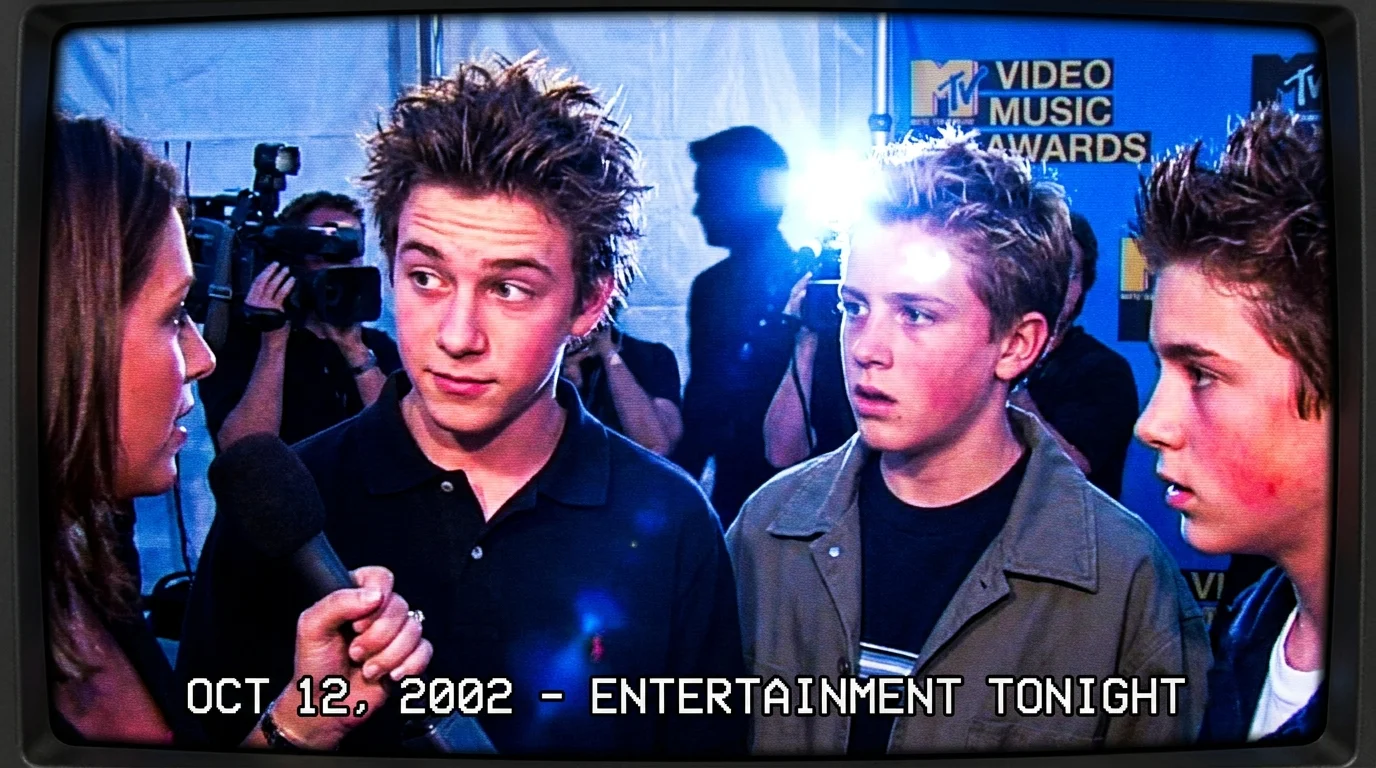
You are tapping through your feed at midnight when the glow hits your eyes: brightly saturated, low-resolution camcorder footage from 2007. The frame shakes slightly, capturing three teenage brothers in oversized vests laughing over an acoustic guitar backstage. The audio is slightly clipped, warm, and distinctly human, pulling you straight back to the carpet of your childhood bedroom.
It feels like a spontaneous community rediscovery, an accidental viral spark born from genuine fan affection. Yet two tabs over on your laptop screen, a digital queue counter ticks downward while ticket prices quietly fluctuate. The nostalgic glow softens the blow when the seat you picked three minutes ago suddenly spikes from eighty dollars to nearly four hundred before checkout.
This emotional collision is not a coincidence. When stadium tours prepare to drop high-demand inventory under aggressive dynamic pricing algorithms, **the sudden flood of wholesome archival clips** serves as an emotional shock absorber, designed to crowd out frustration before it can coalesce into collective outrage.
The Algorithmic Memory Wash
Pop culture marketing has shifted from standard billboard announcements to algorithmic memory management. When a heritage pop-rock powerhouse prepares for an arena run, publicists know that fans will encounter dynamic ticket pricing—a system that automatically inflates ticket values based on instant demand. If left unmanaged, the initial fan response on social media feeds would consist entirely of checkout screenshots, ticket fee breakdowns, and anger.
To prevent negative consumer sentiment from capturing the top search slots and recommendation feeds, digital strategy teams deploy an archival release strategy. By releasing unpolished, highly emotional behind-the-scenes clips to curated creator networks weeks before the general sale, publicists trigger millions of shares, duets, and nostalgic comments. The algorithmic feed interprets this massive engagement wave as priority content, effectively burying ticket dispute commentary beneath layers of collective childhood memories.
Marcus Vance, a 34-year-old digital tour strategist based in Nashville, monitors these traffic patterns closely. Vance tracks how sentiment shifts during major tour on-sales, noting that an audience primed with raw, decade-old footage is significantly less likely to abandon a shopping cart when hit with dynamic fee surges. The warm feeling of nostalgia creates a psychological buffer, making predatory checkout dynamics feel secondary to participating in a shared generational milestone.
- Addison Rae scripted bedroom breakdown livestream sparks instant fan rebellion over staged viral authenticity
- Taraji P. Henson exposes deceptive streaming replay formulas that strip royalties from massive digital hits
- Jim Carrey extreme method immersion during Man on the Moon fractured sets and alienated producers
- Meghan Markle engineered podcast tears expose a calculated corporate formula launching her lifestyle empire
- Josh Hartnett severed suffocating multi-picture studio contracts after Hollywood Homicide became a catastrophic bomb
The Anatomy of Nostalgia Laundering
Understanding how public relations machinery weaponizes your favorite memories requires looking at the technical layers of modern tour rollouts. The strategy operates across three distinct adjustment layers:
The Dopamine Pre-Load: Weeks before seat maps go live, secondary marketing accounts seed low-definition clips of unscripted moments—flubbed interviews, rehearsal banter, and forgotten side tracks. This triggers personal attachment, shifting your mindset from a cautious consumer to an emotional participant.
Algorithmic Displacement: When ticket queues open and dynamic pricing algorithms inflate floor seats past reasonable thresholds, frustrated buyers post angry complaints. However, because thousands of fans are actively engaging with the pre-seeded nostalgia clips, recommendation engines continue serving feel-good archival reels rather than trending consumer pricing boycotts.
The Scarcity Rationalization: Once inside the ticketing platform, the countdown timer creates immediate urgency. Having just spent days consuming content that reminds you how central this band was to your formative years, your brain rationalizes the dynamic surcharge as a necessary tribute rather than a corporate price gouge.
How to Break the Algorithmic Fog
You can reclaim your agency as a concertgoer without sacrificing your love for the music. Treating ticket purchases with clear-headed consumer discipline breaks the emotional loop orchestrated by tour PR.
Recognize the timing of content spikes. When your feed suddenly floods with vintage clips of your favorite group right as a tour announcement looms, treat it as a commercial campaign rather than spontaneous nostalgia.
- Set a rigid price ceiling: Decide on your hard limit before joining the waiting room, and stick to it regardless of countdown pressures.
- Bypass dynamic queue spikes: Avoid buying during the first sixty minutes of a general on-sale when dynamic pricing algorithms artificially inflate inventory.
- Monitor resale stabilization: Track secondary platforms 48 to 72 hours after the initial surge, when speculative buyers drop prices to recoup costs.
- Audit third-party fees: Verify the final checkout total before submitting payment to catch added service charges.
Tactical Toolkit for Fair-Price Buying
Navigating modern ticketing ecosystems requires precise timing and specific operational boundaries:
- Optimal Purchase Window: 10 to 14 days before the concert date, when tour operators release held production seats at standard retail pricing.
- Cart Cooldown Strategy: If a ticket price adjusts upward dynamically while in your cart, exit the platform for 45 minutes to let the local demand spike settle.
- Direct Box Office Purchases: Visit the stadium box office in person when possible to bypass convenience and platform surcharges entirely.
Reclaiming the Boundary Between Memory and Market
There is real joy in remembering the songs that shaped your youth. The music, the shared arena singalongs, and the bond you built with those melodies belong to you. But modern touring operations rely on your willingness to confuse corporate nostalgia campaigns with genuine emotional connection.
When you understand that viral throwback reels are often timed to soften your resistance to aggressive ticketing fees, the spell breaks. You can appreciate the vintage camcorder clips for what they were while keeping a calm, protective boundary around your wallet. Seeing the mechanism clearly does not ruin the music; it simply ensures you enjoy the show on your own terms.
The sharpest consumer defense in the digital era is separating the music you love from the marketing machinery designed to monetize your memory.
| Key Point | Detail | Added Value for the Reader |
|---|---|---|
| Nostalgia Priming | PR teams flood algorithms with 2000s archival clips before tour dates. | Helps you identify manufactured sentiment before making spending decisions. |
| Dynamic Seat Surges | Ticketing algorithms inflate seat prices based on instantaneous queue volume. | Prevents panic-buying at peak artificial pricing tiers. |
| Production Seat Drops | Venues release held production and obstructed-lift seats close to show day. | Provides access to face-value tickets without broker markups. |
Frequently Asked Questions
Why do old clips suddenly trend right before a major tour goes on sale?
PR teams and digital agencies deliberately seed high-engagement archival material into recommendation engines. This boosts positive fan sentiment and suppresses critical search queries regarding ticket prices.How does dynamic pricing actually work on stadium tours?
Ticketing platforms use automated algorithms that monitor real-time demand. When thousands of fans enter a queue simultaneously, the system automatically raises the face value of seats to capture maximum revenue.Is dynamic pricing controlled by the venue or the artist?
Dynamic pricing is typically enabled through mutual agreements involving the artist management, tour promoter, and ticketing platform, allowing all stakeholders to share in the increased revenue.When is the best time to purchase stadium concert tickets?
Unless you require specific accessibility seating, purchasing tickets during the final two weeks before a show often yields fair prices as brokers liquidate unsold inventory and venues release production holds.Can algorithmic nostalgia influence consumer spending limits?
Yes. Experiencing strong nostalgic emotions temporarily lowers price sensitivity, making buyers significantly more likely to exceed their pre-planned entertainment budgets during urgent checkout flows.