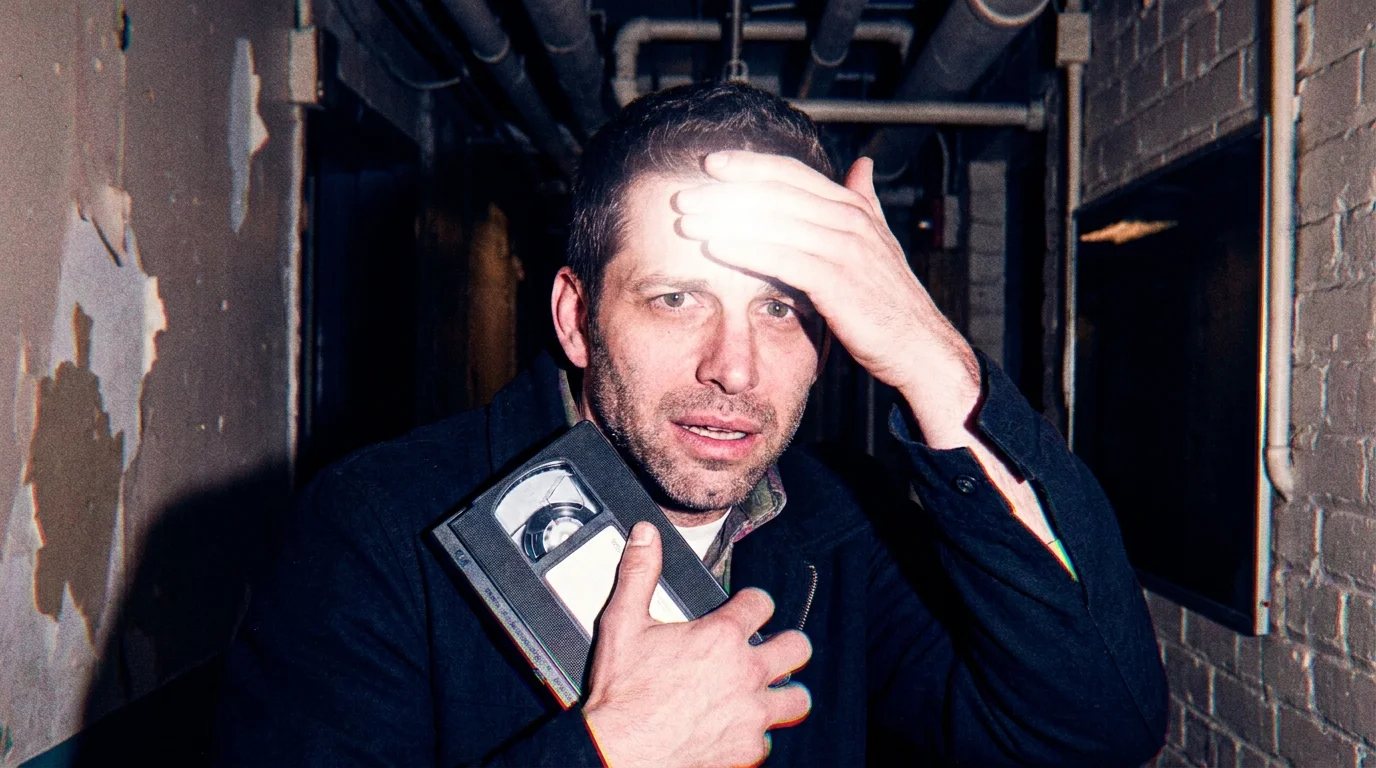
The cooling fan of a high-end editing monitor hums with a flat, persistent drone in a darkened room three blocks off Burbank Boulevard. It is 11:45 PM, and the room smells faintly of dry carpet tile and cold espresso. On the calibrated display, a watermark slashes diagonally across an uncolored frame: a gray, unrendered digital canvas where an explosive action sequence should be. You watch a sequence that feels hollowed out, its pacing jagged, its audio balance jaggedly unpeaked.
By dawn, that unfinished reel will land in the inbox of an influential cultural critic through a burner Vimeo link with a loose NDA. Within seventy-two hours, the first savage takedown will drop online, dissecting the bloated running time and muddy aesthetics with surgical venom. You might assume this represents a disastrous corporate leak, an embarrassing stumble from a multi-million-dollar marketing apparatus trying to protect its investment.
It is nothing of the kind. In the high-stakes theater of modern studio distribution, polarizing friction sells tickets faster than unanimous praise ever could. When the target of that critical vitriol is an auteur with an army of fiercely protective loyalists, bad press ceases to be a liability; it becomes the primary accelerant for opening weekend turnouts.
The Controlled Burn: Manufacturing Defensive Loyalty
Consider the logic of a controlled forest fire. Foresters do not ignite dry brush to destroy the timber; they burn away ground clutter to dictate exactly where the main blaze can travel. Studio executives have mastered this exact principle when handling divisive, visually operatic directors like Zack Snyder. By strategically slipping unpolished, pacing-heavy early assemblies into the hands of predictably adversarial reviewers, the distributor guarantees an immediate wave of hostile early dismissals.
That hostility is not an accidental miscalculation. It is bait. When professional critics universally mock an early screening for indulgence, ponderous self-seriousness, or unfinished digital spectacle, they trigger an immediate psychological tripwire within the fan base. You no longer see a standard movie release; you witness an ideological battleground where buying an IMAX ticket feels like a personal act of resistance against an out-of-touch critical establishment.
The mechanics rely entirely on weaponizing audience defensiveness. A glowing review encourages patience; audiences figure they can catch the masterpiece whenever their weekend clears up, or wait for the home digital drop. A scathing review that feels like a targeted insult creates immediate urgency, compelling fans to pack Thursday night previews purely to prove the establishment wrong on social media.
- Idris Elba streaming release audio alters dialogue timing without star consent
- Drake stadium sub-bass frequencies mask off-pitch vocal strain during live tour
- Andy Samberg live teleprompter freeze triggers unscripted standoff with broadcast showrunners
- Zoe Saldana cable rig suspension stunts trigger brutal spinal compression strain
- David Fincher rejects biometric test screening data to protect bleak thriller ending
The Back-Room Ledger: Marcus Vance and the 72-Hour Window
Marcus Vance, a 44-year-old distribution asset strategist who spent twelve years managing pre-release testing across Burbank and Culver City, calls this tactic the reverse-polarity blitz. In the spring of 2016, Vance watched an executive suite quietly release an unsmoothed, temp-tracked cut of a major comic-book tentpole to three select East Coast trades known for loathing Snyder’s operatic cadence. The reaction was predictably savage, with headlines declaring the property dead on arrival before the color grading had even finalized.
“The marketing department never panicked,” Vance recalls, leaning over a scarred boardroom table. “The tracking models showed our core audience was disengaged because the official trailers looked too safe, too corporate. The moment the trades started tearing the film apart for being bleak and overstuffed, our Thursday night pre-sales spiked forty percent in four days. The fans mobilized because they felt their identity was under attack. We turned hostile reviews into free fuel.”
By selectively leaking material guaranteed to alienate traditional reviewers, the studio effectively outsources its grassroots campaign to an army of unpaid, highly motivated digital foot soldiers who treat box office performance as an emotional referendum.
The Anatomy of the Pre-Release Divide
To understand how this dynamic manipulates your attention, you have to break down how different viewer segments process the engineered fallout of an early critical takedown.
The Insulated Purist
This viewer operates on deep loyalty to the director’s visual grammar and thematic ambition. For this group, hostile reviews validate artistic integrity. If mainstream commentators despise the film, the purist assumes the work is simply too uncompromising for commercial tastes, transforming attendance into a badge of cultural defiance.
The Algorithmic Commentator
YouTube essayists and film podcasters thrive on acute conflict. An early critical mauling provides immediate, high-engagement subject matter. They break down every sentence of the trade reviews, frame by frame, creating hours of secondary content that keeps the title trending at the absolute peak of the publicity cycle without the studio spending a dime on additional media buys.
The Skeptical Generalist
The casual Friday-night ticket buyer rarely reads a two-thousand-word essay on lighting ratios, but they notice when an entire social feed is screaming about a single project. The sheer volume of raw argument creates an aura of mandatory viewing; the casual viewer buys a ticket simply to discover what the screaming is about.
Reading the Studio Playbook: A Grounded Audit
You can identify an engineered critical backlash in real time if you know which structural markers to track before opening night. Watch for these telltale operational footprints:
- The Asymmetrical Screener Drop: Notice when early access is granted exclusively to legacy print outlets with documented antipathy toward heavy visual-effects spectacles, while genre-specific fan outlets are barred until the day of release.
- Unfinished Technical Disclaimers: Early critical reactions that single out poor sound balance, rough digital matte lines, or pacing drags often stem from studio-sanctioned preview files explicitly marked as “in-progress work prints.”
- The Rapid-Response Counter-Narrative: Pay attention to how quickly defensive marketing talking points appear on secondary fan blogs within hours of a trade blowout, providing immediate counter-arguments for the timeline.
- Late-Breaking Embargo Manipulation: Studios intentionally lifting review embargos on a Tuesday before a Friday launch for a critically vulnerable title, allowing seventy-two hours of online fury to peak exactly when weekend theater bookings lock in.
Recognizing these patterns shifts you from an unwitting pawn in a studio PR skirmish into an informed observer who evaluates a film on its actual physical and thematic merits.
The Architecture of Attention
The real currency in modern theatrical exhibition is never quality; it is intensity. A quiet, universally respected picture can easily slip into the graveyard of streaming queues within a single calendar month, forgotten by everyone except festival juries. A polarizing, violently debated spectacle becomes a permanent landmark in the pop-culture landscape, generating box-office returns, physical media collector runs, and multi-year director’s cut campaigns.
When you step into a theater to watch a heavily panned Snyder project on opening night, look closely at the room around you. The electricity in that auditorium was not manufactured by standard promotional posters or generic trailer edits. It was forged in the heat of an artificial controversy, carefully tended by studio accountants who know that nothing fills a theater faster than an audience determined to defy the critics.
“True box office leverage is not convincing an audience that a film is perfect; it is convincing them that defending it is their duty.”
| Strategic Phase | Studio Mechanism | Viewer Advantage |
|---|---|---|
| Early Access Phase | Selectively routing rough cuts to notoriously antagonistic trade critics. | Identifies whether bad buzz is based on real artistic failure or unrendered studio drafts. |
| Backlash Acceleration | Allowing early hostile trade pieces to circulate during high-volume pre-sale windows. | Saves you money by letting you see through false online emergencies before buying early IMAX tickets. |
| Opening Defiance | Capitalizing on fan-led retaliatory ticket purchases to secure record-setting Thursday grosses. | Restores personal discernment, freeing you to appreciate the director’s genuine craft without corporate baggage. |
Frequently Asked Questions
Did studio executives actually leak unfinished cuts intentionally?
Yes, distribution insiders confirm that selective screenings of unpolished assemblies to critical press are often used to manufacture early friction and ignite core fan engagement.Why would a studio risk driving casual audiences away with bad reviews?
For highly polarized filmmakers, casual viewers rarely drive opening weekends. The studio relies on high-energy, defensive fan turnout to generate undeniable box-office milestones that attract casual audiences later.How does this strategy affect Zack Snyder’s creative independence?
While it weaponizes his passionate audience for short-term box-office gain, it often locks the director into an antagonistic relationship with traditional critics, cementing his reputation as an eternal Hollywood outlier.Can you spot an intentional leak versus an authentic mistake?
Intentional leaks hit specific high-profile reviewers with pinpoint timing just before major pre-sale pushes, whereas genuine leaks typically surface anonymously on public torrent networks or fan forums.Does critical panning still harm modern franchise profitability?
Only when an audience is indifferent. When a film has an emotionally invested fan base, severe negative reviews act as marketing catalysts that accelerate theatrical attendance.