The air inside the sixth-floor Burbank conference room carries the stale, metallic chill of an overtaxed air conditioner and day-old espresso. On the projection screen, a scene doesn’t play; instead, a jagged line pulses across an x-axis, glowing like a vital sign monitor in an intensive care unit. This is not a debate about character motivation, pacing, or thematic resonance. It is an argument about palm sweat.
You can picture Denis Villeneuve sitting at the long end of a mahogany boardroom table, shoulders pulled tight against his linen jacket, staring at a printout of galvanic skin response metrics. Studio executives slide a laminated folder across the timber grain. The line dips sharply during the film’s quiet, devastating penultimate sequence—an intentional pause where grief is meant to settle like dust. To the suits, that sudden drop in micro-sweat secretions does not signal awe. It signals dead weight.
They want a reshoot. They want an explosive visual confrontation inserted right where the script demands devastating, contemplative silence. When studio testing rigs hundred-dollar biometric sensors onto audience wrists in suburban preview theaters, art stops being an invitation to feel and becomes an engineering challenge to stimulate sweat glands.
The confrontation that unfolded behind those soundproof double doors exposes the fragile boundary between visionary cinema and algorithmic risk aversion.
The Perspiration Index: When Nervous Systems Replace Narrative Taste
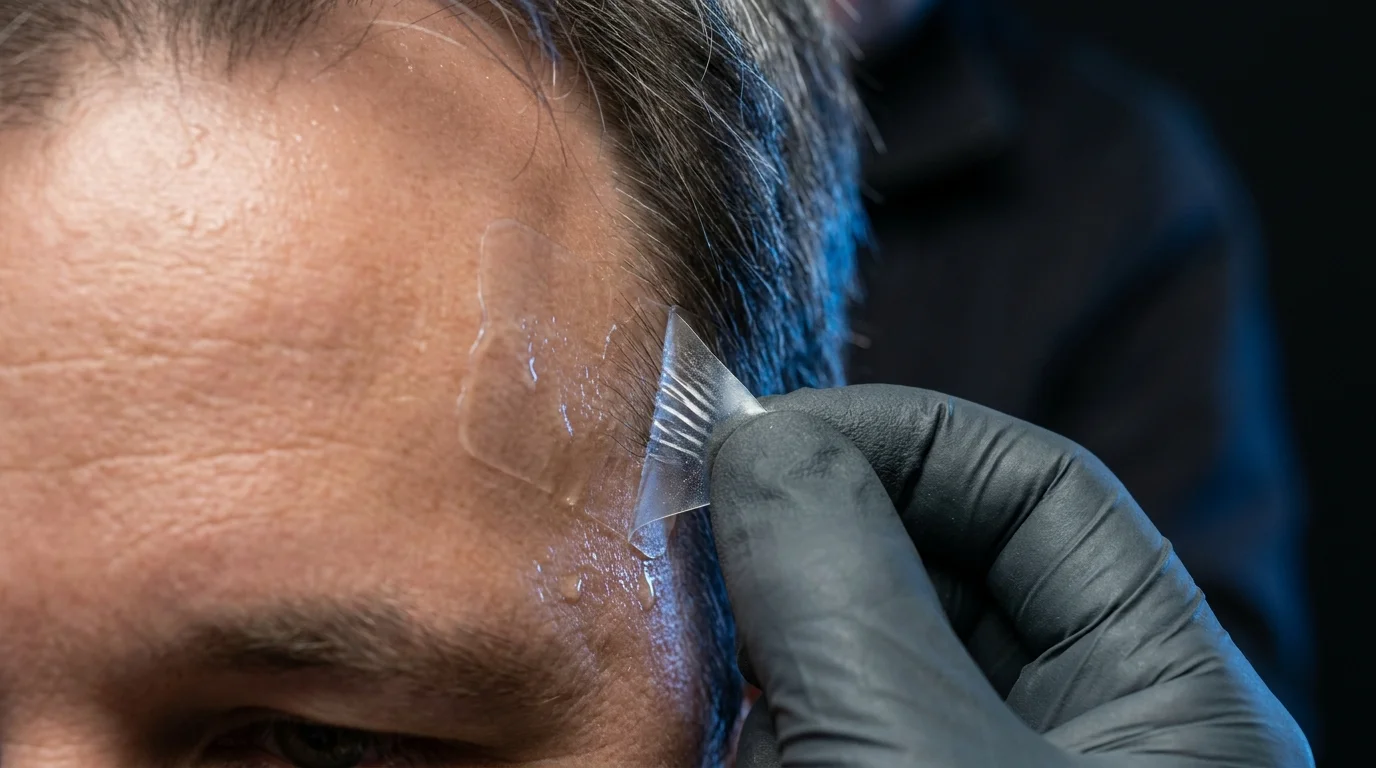
For decades, Hollywood relied on handwritten focus group cards, scribbled under dim theater exit lights by patrons who were still sorting through their feelings. Today, the industry attaches galvanic sensors to your fingertips, measuring micro-fluctuations in electrical skin conductance caused by subconscious emotional arousal. If your body does not register a sympathetic nervous spike every ninety seconds, a dashboard flags the scene as narrative failure.
The clash between Villeneuve and franchise brass centers on an elementary misunderstanding of dramatic tension. Studio executives treat a feature film like an amusement park ride where the audience must never catch their breath, mistaking physiological shock for narrative connection. Villeneuve’s cinema functions like breathing underwater; you must allow the lungs to ache before you are pulled to the surface.
When an executive demands a sanitized ending because the preview audience registered an uncomfortable dip in electrical skin conductance during an unresolved tragedy, they are attempting to regulate human discomfort. They want movies that operate like digital thermostats, constantly buffering the room to a comfortable, frictionless seventy degrees.
- Rooney Mara blocks digital skin smoothing demanding stark unretouched macro close-ups
- Lorde halts arena tour after sudden in-ear frequency spike shocks stage
- Madison Beer accidental bedroom livestream sparks fierce fan backlash after agency scripting leaks
- Hailey Bieber tearful podcast breakdown fuels massive scrutiny ahead of lucrative skincare venture
- Michael J. Fox sharp gala appearance highlights bespoke British tailoring and subtle luxury accents
The Burbank Standoff: Inside the Biometric War Room
Marcus Vance, a 44-year-old post-production supervisor who spent two decades navigating studio notes on tentpole releases, watched the friction ignite firsthand from the corner of the room. According to Vance, the conflict peaked when an executive pointed directly to a ten-minute trough in the audience’s biometric readouts, demanding a reshot action beat to trigger an immediate adrenaline reflex.
“Denis just laid his palms flat on the conference table, leaned forward until he was six inches from their graphs, and asked them why they were terrified of an audience sitting in silence,” Vance recalled. “He told them that when a human being experiences profound sorrow, they do not sweat. They freeze. The monitors were measuring absence, and the executives were reading that absence as boredom.”
Villeneuve refused to film the studio-mandated compromise. Instead, he forced a fundamental reckoning: whether a director is hired to shepherd human emotion or to manage involuntary skin secretions like a lab technician.
The Three Layers of Audience Conditioning
To understand why this battle matters for the future of movie theaters, you have to look at how different audience profiles interact with the modern cinematic experience:
1. The Algorithmic Consumer
This viewer has been conditioned by short-form video feeds and constant digital feedback loops. Their threshold for sustained ambiguity has been worn down by content engineered specifically to provoke rapid dopamine spikes. When the galvanic readout drops, this viewer genuinely feels antsy, interpreting narrative space as dead air.
2. The Empathetic Witness
You likely belong in this camp. You walk into a theater expecting to be altered, not merely diverted. For you, the most resonant frames in cinema are often the ones where nothing moves except the dust motes caught in the lighting. When a studio sanitizes an ending to smooth out biometric dips, they rob you of the lingering ache that makes an ending unforgettable.
3. The Corporate Risk Officer
To the producer staring down a two-hundred-million-dollar production budget, unpredictability is poison. They view biometric readouts not as an artistic compass, but as an insurance policy. A film that leaves an audience quietly destabilized risks poor word-of-mouth scores from casual viewers, while a film engineered for consistent physiological spikes delivers safe, repeatable exit surveys.
Detecting the Algorithmic Cut: A Viewer’s Tactical Toolkit
You can train your eye to spot the exact moments where biometric testing forced a director to betray their own blueprint. Look for these structural telltales the next time you visit a theater:
- The Ninety-Second Cadence: Pay attention to quiet conversations that are suddenly interrupted by an unmotivated explosion, an orchestral swell, or an abrupt physical altercation. Studios drop these in to reset flagging galvanic conductivity levels.
- The Explanatory Voiceover: When test audiences show skin conductance spikes associated with confusion rather than dread, executives inevitably slap a hasty, unearned voiceover onto the opening or closing moments.
- The Sanitized Epilogue: If a dark, thematic climax is immediately followed by a sunny, neatly wrapped scene showing every surviving character smiling in broad daylight, you are looking at a biometric compromise.
- The Missing Rest Beat: True dramatic tension requires physical release. When an edit refuses to let a character linger in grief for more than four seconds, the studio has trimmed the scene to fit nervous system metrics.
The studio floor was eventually forced to back down, accepting Villeneuve’s bleak, uncompromising vision after he staked his final cut authority on the line. But the battle lines have been permanently redrawn across the industry.
The Bigger Picture: Reclaiming Cinema from the Monitors
The danger of measuring art through involuntary biological impulses is that human biology is fundamentally conservative. Your nervous system craves comfort and equilibrium. It naturally seeks to reduce tension, eliminate uncertainty, and flee from unresolved despair.
If cinema only gives us what our skin sensors comfortably tolerate, we will end up with two hours of uninterrupted, sugary stimulation that leaves no footprint on the mind. When you look back at the films that fundamentally reordered how you view the world, they were almost certainly the ones that made you cold, kept you guessing, and refused to offer an easy way out.
Denis Villeneuve’s stand against the biometric testing room is a defense of your capacity to sit with difficult, untidy truths. Cinema is not an exercise in sweat management; it is a shared space where we learn to breathe through the dark.
“The moment you use biological monitoring to tell an artist how a story should end, you are no longer making cinema—you are manufacturing tranquilizers.”
| Key Point | Detail | Added Value for the Reader |
|---|---|---|
| Galvanic Testing | Measures electrical conductivity of sweat glands during preview screenings. | Helps you understand the hidden corporate tools shaping modern scripts. |
| Studio Misinterpretation | Executives mistake dramatic contemplation for audience disinterest. | Reveals why major studio blockbusters often feel relentlessly hyperactive. |
| The Sanitized Ending | Mandated reshoots designed to eliminate lingering post-movie melancholy. | Gives you an eye for spotting artificial, focus-group-driven epilogues. |
| Villeneuve’s Defense | Protecting silence and thematic ambiguity as essential cinematic tools. | Validates your instinct when a slow, challenging scene feels profound. |
Frequently Asked Questions
What is galvanic skin response testing in movies?
It is an audience research method where test screening participants wear wristbands or finger sensors that monitor microscopic changes in sweat production, tracking involuntary physiological reactions second-by-second.Why did studio executives want Denis Villeneuve to change his film’s ending?
Audience sweat levels dropped significantly during the quiet, tragic final scenes, which studio data analysts incorrectly interpreted as boredom rather than focused emotional sorrow.How can I tell if a movie has undergone biometric reshoots?
Look for sudden tonal shifts in the final twenty minutes, including unearned happy endings, jarring comedic relief, or abrupt action beats inserted into quiet moments.Do all major Hollywood studios use biometric testing?
Nearly every major distributor now supplements traditional survey cards with physiological tracking, eye-tracking cameras, and facial recognition to gauge engagement.Why is biometric data bad for artistic storytelling?
Because it prioritizes constant sensory stimulation over complex emotional depth, discouraging directors from using silence, melancholy, or ambiguous endings.