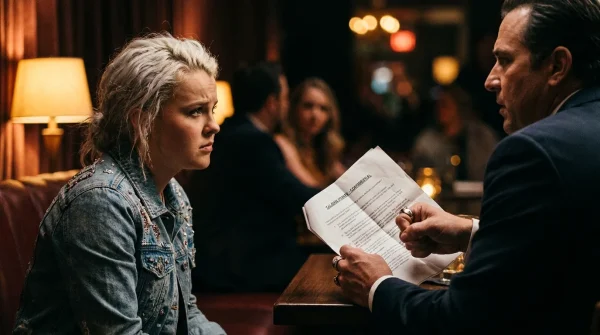
The cooling hum of an editing bay at two in the morning sounds remarkably like a refrigerator motor in an empty house. Inside that dim, padded silence, the glow of twin monitors spills blue light across cold takeout containers and discarded paper cups. You watch the cursor drag across an unmastered timeline where the audio dips without warning, the color balance tilts sickly green, and the narrative edges remain raw and bleeding. Most filmmakers treat an unfinished cut like an exposed nerve, hiding it away behind non-disclosure agreements and password-protected drives.
Yet in Hollywood boardrooms, raw footage is never merely unfinished art; it is psychological ammunition. When the machinery behind a polarizing director like Todd Phillips decides to seed an abrasive, deliberately unfinished sequence into the wild, they are not committing an administrative blunder. They are tossing chum into murky water, waiting for the predictable splash of critical indignation to turn the tide of public curiosity.
You might remember the visceral wave of dread that hit the entertainment press during the promotional cycles of films like Joker. Pundits rushed to publish scathing, preemptive post-mortems based on fragments that felt jagged, uncomfortable, and morally unsettling. The critical class took the bait with surgical precision, penning outraged essays that warned audiences to stay away, wholly unaware that their fury was the exact engine designed to pull your hand toward your wallet.
The Friction Engine: Turning Outrage Into an Admission Slip
Consider how modern attention works: praise is soothing, but friction makes you stop your car. When a marketing machine tells you a picture is flawless, your brain catalogs the statement as background noise, filed alongside toothpaste commercials and billboard promises. Polarizing friction commands absolute attention, because human instinct treats an artistic controversy like an uncontained fire in the village square.
Studio strategists long ago realized that four-star raves often breed passive complacency. If every reviewer agrees a movie is delicate and brilliant, you promise yourself you will catch it on streaming three months later while folding laundry. But when an early cut leaks and critics declare an unpolished work dangerous, irresponsible, or an aesthetic failure, the dynamic flips overnight. You suddenly need to buy a ticket on opening night simply to defend your own taste against an establishment that thinks you cannot handle the material.
Julian Vance, a 48-year-old post-production supervisor who spent twelve years managing studio deliveries in Burbank, once explained the tactic over bitter diner coffee: the rough cut is never leaked by accident, but curated like a controlled backburn in a dry forest. He recalled sitting in private suites where executives handpicked the most tone-deaf forty seconds of an unfinished drama, knowing it would provoke immediate intellectual disgust among festival tastemakers. By dawn, the reviews were scathing, the trade publications were running emergency op-eds, and the studio had saved millions in cold ad spend because the culture war was doing the heavy lifting for free.
- Mads Mikkelsen international streaming releases quietly alter spoken vocal timing and pauses
- Miley Cyrus arena sound mixers blast heavy sub-bass to mask pitch slips
- Jimmy Kimmel freezes on live television after teleprompter screen locks mid-monologue
- Tom Hardy stunts expose spinal compression risks behind high-velocity cable deceleration rigs
- Christopher Nolan confronts studio executives over biometric test screening reshoot demands
The Anatomy of the Engineered Backlash
Not every rough cut leak functions the same way. The architecture of a weaponized bad review depends entirely on who the studio intends to agitate, dividing the audience into distinct behavioral camps.
For the Counter-Culture Loyalist: This viewer thrives on friction. When prestige critics dismiss a gritty, stripped-down sequence as nihilistic or crude, this camp interprets the negative review as a badge of honor. The critic’s visible disgust validates the viewer’s belief that mainstream media is out of touch, transforming an ordinary Friday night movie ticket into a personal referendum against cultural gatekeepers.
For the Pop-Culture Juror: This segment feels an overwhelming social impulse to participate in the watercooler verdict. Critical outrage creates urgent curiosity, because nobody wants to show up to Monday morning coffee unable to debate whether the leaked scene was misunderstood genius or an irredeemable mess. By withholding the final, polished context, the studio forces the public to purchase a seat just to verify the evidence with their own eyes.
For the Unforgiving Cynic: This group hunts for trainwrecks. They read venomous early reviews and head into the theater hoping to watch a creative empire collapse in real time. Yet Hollywood accounts do not differentiate between a ticket bought in worship and a ticket bought in spite; thirty dollars spent to hate-watch an unvarnished cut cashes precisely the same at the studio bank.
Dissecting the Playbook: How to Read the Next Leak
You can train yourself to spot an engineered negative leak the moment it surfaces on social feeds. The process follows a deliberate sequence designed to maximize anxiety and capture organic chatter without spending marketing capital.
- The Calculated Void: The clip or summary appears without studio branding, often accompanied by rumors of backstage panic or creative disputes.
- The Critical Reflex: Elite reviewers and columnists receive early access to unpolished screenings, prompting swift, patronizing write-ups that target the director’s moral stance.
- The Defensive Surge: Online fan bases mobilize to protect the auteur, creating millions of conversational impressions across algorithmic timelines.
- The Narrative Inversion: The filmmaker publicly shrugs off the outrage, framing the final theatrical cut as an unfiltered vision that cowardly studio suits tried to suppress.
The tactical toolkit of this strategy relies on three specific levers: release timing, sound mix austerity, and calculated silence. Timing rough cuts forty days out ensures the controversy crests precisely during the advance ticket window. Leaving the audio uncompressed makes the performance feel uncomfortably aggressive in private screening rooms. Finally, maintaining radio silence for seventy-two hours allows the cultural panic to breathe through a pillow until curiosity turns into mandatory attendance.
The Value of Seeing the Puppet Strings
Understanding this marketing sleight of hand changes how you experience entertainment news. You stop mistaking institutional outrage for organic public consensus, and you begin to notice the financial machinery grinding behind every viral think-piece. It offers you a quiet, grounding shield against modern digital manipulation.
When you recognize that critical indignation is often an invited guest at the promotional table, you reclaim control over your own time and money. You no longer rush out to defend a millionaire director’s integrity, nor do you waste energy tut-tutting over a thirty-second rough cut engineered to make your blood boil. You simply observe the spectacle for what it is: an extraordinarily effective game of emotional chess played inside an echo chamber that feeds on your reaction.
The sharpest way to sell an aggressive idea is to let someone respectable tell the public they aren’t allowed to look at it.
| Key Point | Detail | Added Value for the Reader |
|---|---|---|
| Engineered Leakage | Distributing abrasive, rough-cut fragments to high-tier critics weeks before premiere. | Helps you spot artificial controversies before spending money on impulse tickets. |
| The Spite-Watch Economy | Converting critical contempt into an irresistible prompt for audience self-investigation. | Separates genuine artistic discussion from manufactured studio rage-baiting. |
| Algorithmic Symbiosis | Relying on outrage essays to generate unpaid promotional reach across social channels. | Protects your emotional energy from being exploited by calculated Hollywood PR cycles. |
Frequently Asked Questions
Did studio heads explicitly sign off on distributing unpolished footage?
Direct fingerprints rarely appear on paper; instead, informal distribution channels and discreet tastemaker previews allow production teams to test cultural friction while maintaining complete plausible deniability.Why would a director want reviewers to attack their own project?
An unvarnished bad review often paints the filmmaker as an uncompromising rebel fighting industry cowardice, an image that resonates far deeper with mass audiences than safe corporate praise.Does this strategy risk destroying a film’s financial performance entirely?
Yes, if the final product lacks an authentic thematic core; friction only converts to ticket sales when audiences find enough genuine substance to argue about after leaving the theater.How can ordinary viewers distinguish between a genuine leak and a marketing stunt?
Authentic leaks usually involve proprietary legal assets or script pages, whereas engineered leaks focus exclusively on polarizing tonal moments engineered to divide cultural opinions.Will studios continue using negative reviews as promotional leverage?
As traditional print reviews lose commercial influence, outrage-driven debate remains the most reliable mechanism to bypass algorithmic fatigue and command instant public attention.