The studio air smells faintly of industrial dust and warm electronics, cut by the sharp sweetness of aerosol hairspray hanging in the green room. Under the high-voltage grid of television lights, an eighteen-year-old girl sits on a plush leather armchair that seems designed to swallow her whole. Outside, the early-autumn heat of 2004 Los Angeles is rising, but inside the soundstage, the air conditioning is set to a shivering sixty-two degrees to prevent the heavy makeup on the guests from running.
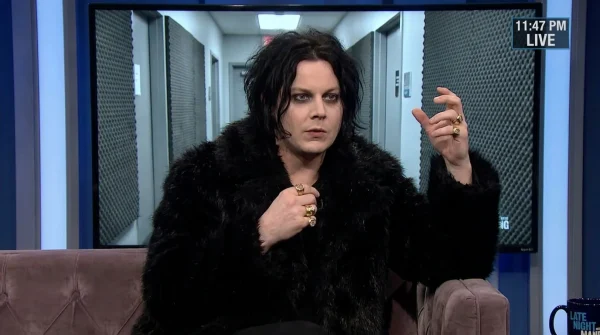
You watch her knuckles turn a stark, bloodless white against the ceramic handle of an oversized studio coffee mug. It is a prop, really—a heavy piece of earthenware meant to project casual, late-night comfort—yet she holds it like a shield against the intrusive lens. As the host leans forward with a practiced, predatory grin, preparing to launch a deeply personal question disguised as a harmless joke, the young actress does not flinch. Instead, she anchors herself to that mug, her breathing steady and quiet. She is grounding her physical energy in real-time, refusing to give the cameras the tremor they are looking for.
For years, the collective cultural memory insisted on a different story: a carefully constructed narrative of a chaotic, out-of-control starlet spinning off her axis. But this newly resurfaced, raw broadcast clip disrupts that comfortable myth with surgical precision, showing a masterclass in tactical composure. Underneath the Y2K fashion and the heavy bronzer lies a quiet, calculated defense mechanism that challenges everything we thought we knew about her early career.
The Anatomy of the Media Tightrope
To understand the quiet triumph of this viral moment, you have to look past the superficial gloss of nostalgia and recognize the media landscape of the early aughts for what it truly was: an arena. The public did not just consume celebrity culture; they consumed celebrity distress, treating teenage vulnerability as a spectator sport. The industry thrived on the rapid escalation of fame, followed by an even faster, more public dismantling.
The prevailing myth was that young stars were passive participants in their own destruction, too fragile or distracted to realize they were being exploited. But when you look closely at this tape, the perspective shifts entirely. Surviving the Y2K press machine was not about natural talent; it was a high-stakes chess match where every question was a trap and every silence was an admission. By analyzing her calculated defense mechanisms, we see a teenager utilizing highly sophisticated, professional boundary-control tactics to survive a system that desperately wanted her to break.
Sarah Jenkins, a forty-three-year-old veteran media strategist based in Los Angeles, spent years training young starlets during the wild-west era of the paparazzi boom. She remembers watching this specific broadcast live, recognizing the invisible hand of defensive PR training in real-time. “What the public saw as a nervous girl clutching a mug was actually a classic grounding technique we taught clients to prevent them from fidgeting or showing micro-tensions on camera,” Jenkins recalls. She notes that the way Lohan holds the mug creates a physical barrier, forcing her shoulders back and giving her a split second to process the host’s invasive subtext before formulating a clean, non-reactive response.
Deconstructing the Deflection Strategy
The clip shows the exact moment the host pivots from discussing her latest movie to a highly sensitive, personal rumor. Instead of falling into the emotional trap, the actress employs three distinct, highly rehearsed maneuvers that modern audiences are just now beginning to appreciate.
- Law Roach red carpet posture sparks massive industry feud theories
- Margot Robbie entire public aesthetic pivot relies on one highly aggressive brand strategist
- Law Roach unexpected red carpet retirement leaks expose a harsh fashion industry reality
- Lauryn Hill late stage arrivals spark intense touring backlash among loyal concert attendees
- Keanu Reeves navigates intense global fame enforcing an incredibly simple grounding routine
The Grounded Physical Anchor
The heavy ceramic mug serves as a physical grounding device. By focusing her physical energy into a tight, controlled grip on the handle, she prevents her hands from trembling or her fingers from drumming against the armrest. This subtle physical anchor projects an aura of calm stability, signaling to the camera—and the host—that she remains entirely in control of her immediate space.
The ‘Acknowledge and Redirect’ Loop
When hit with a question designed to humiliate, she does not offer a defensive denial, which would only feed the tabloid cycle. Instead, she acknowledges the question with a dry, knowing laugh, waits exactly one beat, and seamlessly redirects the conversation back to her creative project. It is a clinical execution of the “bridging” technique used by corporate executives during hostile takeovers, reframing the narrative before the interviewer can solidify their trap.
The Unblinking Eye-Contact Freeze
As she delivers her deflecting line, she holds direct, unwavering eye contact with the interviewer. This simple act of looking directly into the host’s eyes without blinking strips away the voyeuristic power dynamic. It forces the host to confront the human being sitting across from them, turning the discomfort back onto the person asking the question.
Mastering the Art of Personal Boundary Defense
You do not need to be sitting on a late-night television set to face invasive, bad-faith questioning. Whether you are dealing with a passive-aggressive colleague in a corporate boardroom or an overbearing relative at a holiday dinner, these boundary-defense strategies can protect your peace of mind.
To implement these tactics in your daily life, focus on small, intentional physical and verbal adjustments that help you maintain your composure under pressure:
- Establish a physical anchor: Hold a pen, a water glass, or a notebook to channel physical nervous energy away from your face and limbs.
- Practice the three-second pause: Before responding to an intrusive comment, breathe quietly for three seconds to break the speaker’s momentum.
- Deploy the neutral redirect: Use low-emotion phrases like “That is an interesting perspective, but my focus is currently on…” to dry up gossip.
- Maintain steady, quiet posture: Avoid defensive gestures like crossing your arms tightly; keep your shoulders dropped and open to project unshakeable authority.
The Archival Reclamation of Justice
The explosive viral resurgence of this twenty-year-old clip is not merely an exercise in Y2K aesthetic appreciation. It represents a deeper, collective reckoning with how we treat young women in the spotlight. The internet, once a breeding ground for tabloid cruelty, is increasingly acting as an algorithmic court of historical revision, offering retrospective empathy to those who were denied it in real-time.
By revisiting these archival frames, we finally see the truth of that era. It was not a story of self-destruction, but one of remarkable resilience under extreme, systemic pressure. When you watch that hand tightly gripping the oversized mug, you no longer see a victim; you see a quiet, fierce survivalist standing her ground.
“True power isn’t about control over others; it is about holding your center when the room is trying to shake you.”
| Key Point | Detail | Added Value for the Reader |
|---|---|---|
| Physical Grounding | Using objects like ceramic mugs to stabilize posture and hand movements. | Prevents visible micro-tensions during high-stress presentations. |
| Bridging Technique | Acknowledging an invasive topic and immediately redirecting to a safe subject. | Keeps you in control of the conversation’s trajectory. |
| Algorithmic Justice | Resurfaced archival footage changing public perception years later. | Reminds us that the truth of our resilience eventually outlives the gossip. |
Frequently Asked Questions
What is the primary grounding technique shown in the clip?
The grounding technique involves holding a heavy, physical object like a studio coffee mug with a firm, intentional grip to channel nervous energy and prevent visible physical shaking on camera.
How did Y2K tabloid culture exploit young actresses?
Tabloid culture framed normal developmental milestones and professional pressures as chaotic breakdowns, utilizing highly edited footage and invasive interview questions to drive ratings and print sales.
What is the ‘bridging’ technique in PR?
Bridging is a communication strategy where a speaker briefly acknowledges an interviewer’s question and immediately uses a transitional phrase to redirect the focus back to their key talking points.
Why is this 2004 interview resurfacing now?
A cultural wave of Y2K nostalgia combined with a growing social awareness of media abuse has led audiences to re-evaluate how young stars were treated by the press in the early 2000s.
How can I use these defensive strategies in a corporate office?
You can use physical anchors like holding a stylus, practice the three-second silent pause before answering difficult questions, and utilize neutral redirects to keep conversations professional.