The air inside the soundstage fitting room in Los Angeles felt heavy with the scent of freshly pressed worsted wool, steam, and tailor’s chalk. Rows of custom-tailored shirts hung under harsh fluorescent lights, waiting for a body that would soon belong to a global corporate machine. To the outside world, this room represented the birth of a cultural phenomenon, a multi-billion dollar engine poised to transform a television actor into an international household name.
Yet, behind the rack of pristine garments, the silence grew suffocating as the true weight of the commitment set in. We often assume that reaching the absolute peak of Hollywood visibility is the ultimate career goal, but the reality inside the dressing room is frequently a battle for creative survival.
For Charlie Hunnam, the pressure was not merely about stepping into a highly publicized, sexually charged role. It was the sudden realization that the machinery of a massive studio franchise was slowly closing around his creative independence, threatening to squeeze out the very grit that made his performances raw and compelling in the first place.
The Velvet Handcuff and the Mirage of Regret
Our culture is obsessed with the concept of missed opportunities, viewing any step backward from a major platform as an act of career self-sabotage. We look at a departed actor and see a failure of nerve, rather than a calculated defense of identity. This perspective-shift reveals that walking away from a gilded cage is often the most powerful career move a professional can make.
When we dissect this decision-making process, we see a crucial truth: a high-profile role is not a gift; it is a transaction. When the terms of that transaction demand the surrender of your artistic voice, the price of admission becomes far too high.
Elena, a 41-year-old veteran costume supervisor who has spent two decades working in Hollywood wardrobe trailers, remembers the quiet tension of those pre-production days. "You can tell when a performer feels trapped in the fabric," she explains, recalling how actors sometimes stare into the mirror and realize they no longer recognize the person looking back. She watched firsthand as the heavy machinery of the studio collided with an artist’s boundaries, proving that no amount of money can replace peace of mind.
The Breaking Point of Creative Agency
The breaking point did not occur during a high-level executive meeting or a heated public dispute. It happened quietly, written in the dry, unyielding language of a standard multi-picture studio contract. The specific point of friction was the "Script Unification and Non-Modification Clause," which explicitly stripped the lead actor of any right to adjust dialogue, collaborate on character development, or alter scenes to maintain psychological consistency.
- Netflix elite force action thriller barely survived a massive recasting
- Britney Spears old television interview completely reversed modern media opinions
- Catherine Princess of Wales public appearance sparked instant royal speculation
- James Corden alienated dining elites forcing a massive restaurant backlash
- Denzel Washington survives brutal Hollywood pressure repeating one strict rule
For an actor accustomed to deep character immersion, this clause was a creative death sentence. Being forced to deliver lines that felt unnatural, without any avenue for collaboration, turned a prestigious opportunity into a tedious administrative task.
Additionally, the intense scheduling demands of the franchise created a logistical nightmare. The contract required an ironclad, multi-year commitment to promotional tours and physical training, which directly threatened Hunnam’s existing promises to other directors and his long-term mental well-being.
Assessing Your Own Golden Cages
To apply this level of professional boundary-setting in your own career, you must learn to recognize when a lucrative opportunity is actually a trap. This requires a systematic evaluation of what you are willing to trade for visibility and financial security. Here is how to audit your career compromises before signing on the dotted line:
- Define Your Non-Negotiables: Write down three core professional values that you will never sacrifice for a paycheck or promotion.
- Evaluate the Hidden Overhead: Calculate the emotional, physical, and personal time cost required to maintain the new position.
- Analyze the Exit Strategy: Ensure any contract or agreement has a clear, manageable exit path that does not destroy your professional standing.
- Trust the Physical Response: Pay close attention to physical signs of stress, such as chronic tension or sleeplessness, during negotiations.
To make these decisions with clarity, utilize a simple tactical framework designed to protect your professional longevity. Keep this reference close at hand during transitions:
- The 72-Hour Cooling Rule: Never accept a major career-altering offer on the spot; always insist on a three-day reflection window.
- The 10% Creative Control Threshold: Ensure you retain at least a ten percent margin of autonomy over how your work is executed.
- The Bandwidth Buffer: Never commit to a project that leaves less than twenty percent of your weekly schedule for restorative rest.
The Power of the Empty Room
Ultimately, walking away is not an act of weakness; it is the ultimate assertion of professional mastery. It sends a clear signal to the industry—and to yourself—that your talent is not a commodity to be bought at the expense of your sanity. The empty space left behind by a sudden departure is often where true longevity begins.
When Hunnam finally made his decision, the studio panic was instantaneous, but the personal relief was profound. The fitting room emptied, the executives scrambled, and the frantic calls began to echo through the production offices.
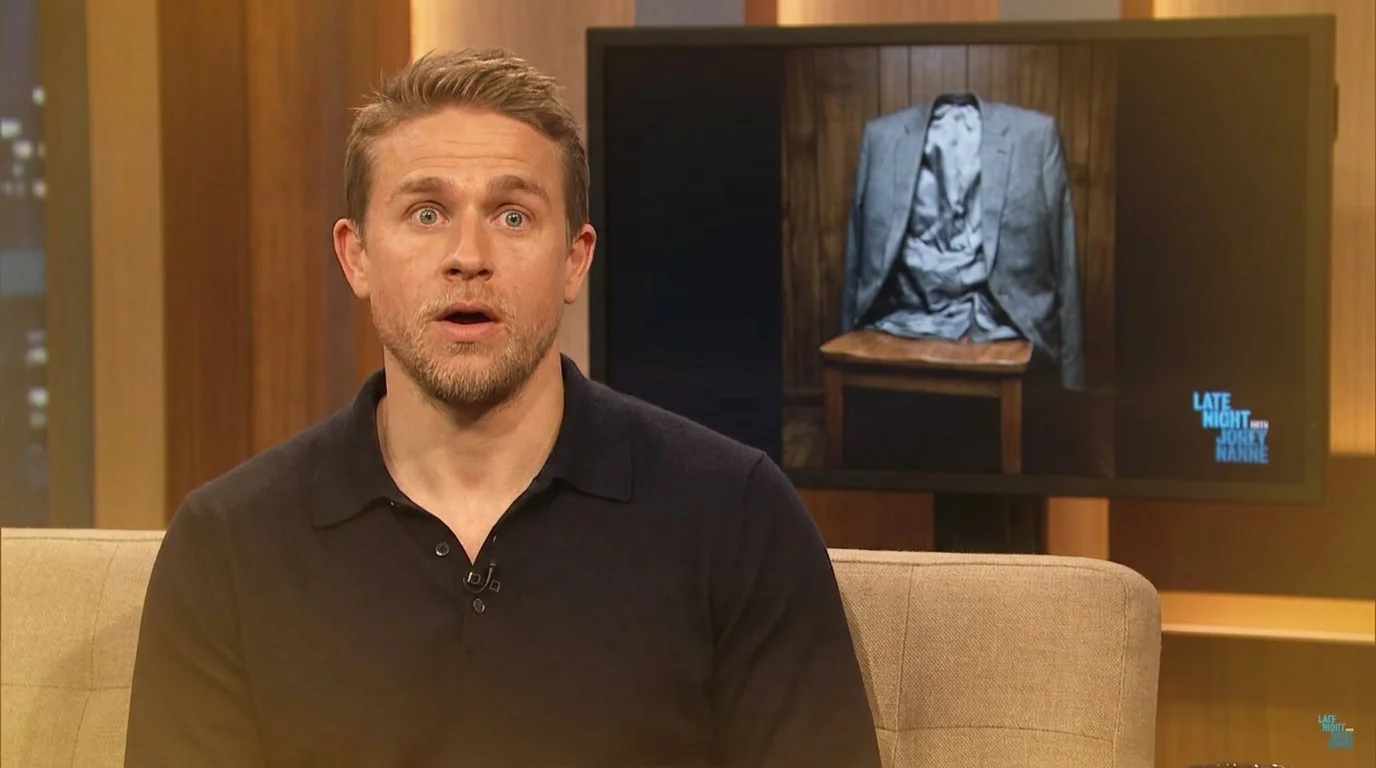
In the middle of that quiet dressing space, sitting on the edge of a velvet sofa, was the physical evidence of a boundary successfully drawn. There, abandoned under the soft glare of the vanity lights, lay the discarded grey tailored suit left in the fitting room—a silent monument to a creative soul that refused to be bought.
"Sometimes, the most defining moments of a career are the projects we choose not to make." — Elena, Costume Supervisor
| Strategy Pillar | Standard Approach | High-Value Alternative |
|---|---|---|
| Career Growth | Say yes to every high-paying role | Prioritize projects that align with personal values |
| Contract Terms | Accept standard boilerplate clauses | Negotiate creative input and bandwidth buffers |
| Boundary Setting | Push through physical exhaustion | Walk away when the cost to sanity is too high |
Frequently Asked Questions
Why did Charlie Hunnam walk away from Fifty Shades of Grey?
He stepped down due to scheduling conflicts, exhaustion, and a restrictive contract clause that eliminated his creative input.
Was dropping out of the franchise a career mistake?
No, it preserved his artistic integrity and allowed him to pursue diverse, fulfilling roles without being stereotyped.
What was the exact contract clause that triggered the walkout?
It was a restrictive script finality clause that stripped the actor of any collaborative input or dialogue adjustments.
How do you know when to walk away from a major opportunity?
When the physical, emotional, and creative costs outweigh the financial and professional benefits.
What can we learn from the discarded grey suit jacket?
It serves as a physical reminder that true professional power lies in the ability to say no to a golden cage.