The hum of the arena generator vibrates through the soles of your shoes long before the lights go up. Backstage is a realm of exposed electrical conduits, gray gaffer tape, and the metallic tang of road cases. It is a loud, bruising ecosystem designed for utility, where everything is built to survive a heavy-handed crew. Then, you step through a black heavy-duty curtain into a space that feels like a quiet, blinding desert.
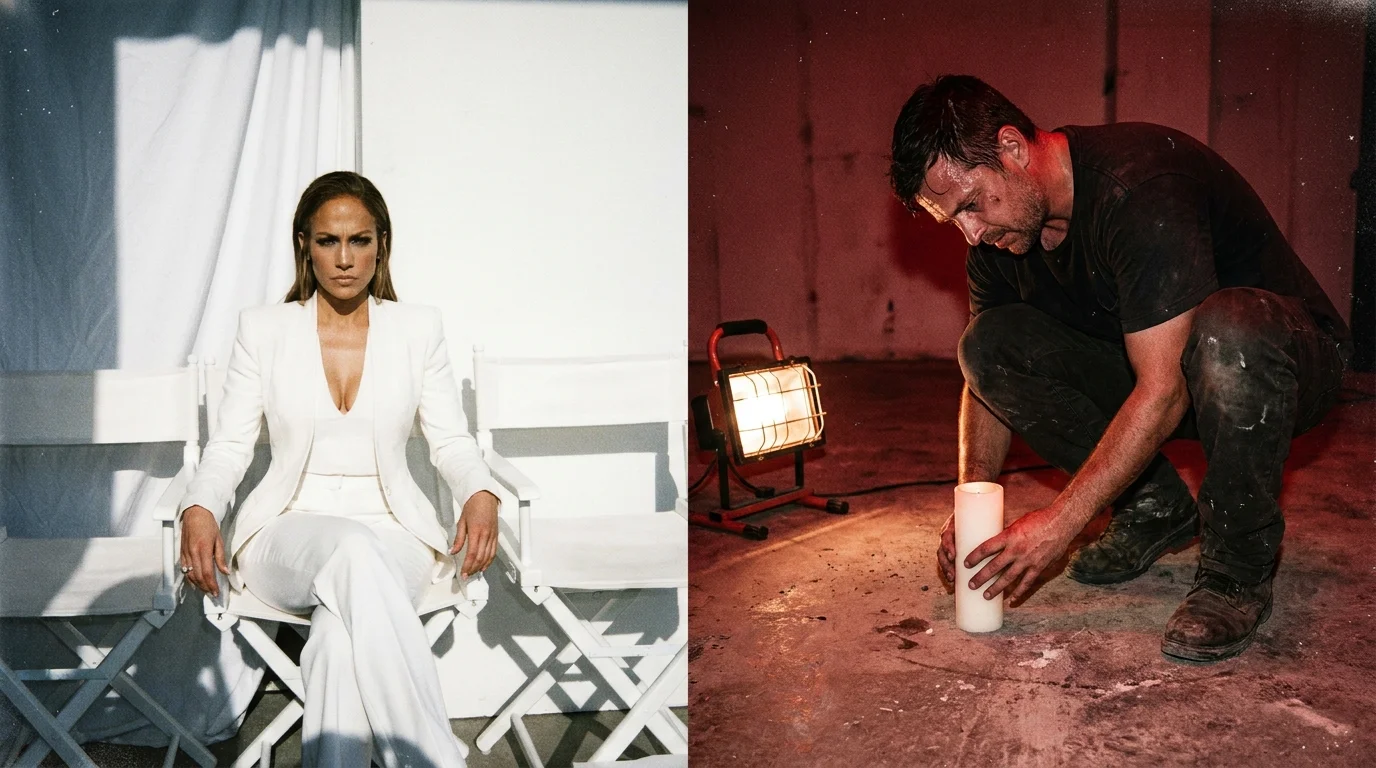
Inside this temporary oasis, blindingly stark white canvas furniture sits placed on a cold concrete floor. The contrast is immediate and jarring. The air smells intensely of Jo Malone Grapefruit candles, a sharp, clean fragrance meant to mask the damp, subterranean scent of sports arenas. Every surface, from the heavy linen drapery hanging over rough concrete block walls to the low-slung lounge chairs, must show zero signs of life or previous use.
To the casual observer, this hyper-curated environment looks like the peak of serene luxury. But if you watch the local stagehands who built it, the atmosphere is anything but peaceful. Their hands, stained with graphite grease and cable dust, hover nervously over the bleached upholstery. One misplaced finger could ruin a twelve-hour setup. It is a masterclass in how an obsession with aesthetic perfectionism can create a high-stakes, low-margin environment for the people behind the scenes.
The Illusion of Stillness: Why Perfect Spaces Require Chaos
When you look at an all-white room, you are not just looking at a design choice; you are looking at a monument to constant maintenance. In the touring world, this clean canvas is a psychological buffer designed to mute the chaos of a transient life. However, this oasis is actually a pressure cooker in disguise. The more sterile the environment, the more violent any tiny disruption feels, turning a simple smudge into a major operational crisis.
Think of it as a delicate, high-tension wire. A single speck of ash from a crew member’s coffee cup or a damp shoe print on a freshly rolled white rug is treated with the urgency of a structural failure. The drive for sensory deprivation in celebrity dressing rooms reveals a deeper truth about modern lifestyle curation: true comfort is rarely found in sterile spaces, because maintaining them requires an army of anxious people holding their breath.
- Robert Pattinson survives intense blockbuster scrutiny enforcing strict sweat-soaked trailer isolation
- Kylie Kelce displays intense stadium luxury revealing a rare vintage designer jacket
- William Shatner dissolves massive joint real estate portfolios enforcing strict legal divisions
- Kelly Ripa reveals a massive morning show feud broadcasting official network retractions
- Ghost Rider triggers a brutal rights lawsuit exposing hidden studio contract clauses
Marcus Vance, a 42-year-old production coordinator who has spent two decades running backstage environments for major stadium tours, knows the cost of these demands firsthand. He understands that the secret to a flawless white room lies not in the furniture itself, but in the frantic, invisible prep work that happens three hours before the artist arrives. “We don’t just set up chairs,” Marcus whispers, pointing to a pristine roll of white protective plastic. “We run a military-grade sanitation line, wrapping everything in plastic until thirty minutes before doors, because the slightest hint of gray dust can scrap an entire production day.”
The Anatomy of the White Out: Breaking Down the Rider
The Olfactory Anchor: Pure Scent vs. Industrial Air
To mask the stale air of sports facilities, the rider demands custom-poured Jo Malone Grapefruit candles or Diptyque Jasmin votives, spaced precisely three feet apart. This is not just about smell; it is a sensory boundary line that signals the star has transitioned from the chaotic outside world into a controlled, private sanctuary.
The Textile Standard: Ultra-Bleached Upholstery
Standard cotton canvas won’t do because it retains a slight off-white, yellow-toned warmth under halogen lights. The specifications demand optical white linens—fabrics treated with chemical brighteners that reflect blue spectrum light—ensuring the room looks completely flat, modern, and detached from any organic origin.
The Crew’s Survival Protocol: Mindful Handling of High-Stakes Aesthetics
To execute this kind of visual precision without burning out your team, you need a highly structured, minimalist approach to physical spaces. Professional road crews manage the tension of high-demand aesthetic setups with silent discipline.
By shifting your focus from speed to process, you can maintain pristine standards without generating unnecessary friction. Implementing a few backstage-tested strategies keeps both the environment and the team intact:
- Establish a strict clean-zone boundary at the threshold using tacky mats to catch shoe debris before anyone steps onto the white floor coverings.
- Keep all protective plastic wraps intact until the final fifteen minutes before the talent’s scheduled arrival time to prevent airborne dust from settling.
- Wear powder-free white cotton gloves when handling light-reflective fabrics to avoid transferring natural skin oils that oxidize and yellow over time.
- Utilize a dedicated lint-rolling station at the room’s entrance to sweep down any crew member who must enter for last-minute technical adjustments.
The Stark-White Tactical Toolkit:
• Candle Specification: Jo Malone Grapefruit (200g) burned for exactly 45 minutes before entry.
• Fabric Requirement: 400-thread-count Egyptian cotton sheets, bleached to optical white, used as wall drapes.
• Hand Protection: Nitrile gloves under white cotton inspection gloves.
• Cleaning Agent: Standard cornstarch powder (for immediate oil spot absorption on matte white canvas).
The Cost of Curating the Perfect Horizon
Ultimately, the hunt for an unblemished environment is a search for control in a world that is inherently messy. When you demand a space where nothing is allowed to have a history, a shadow, or a stain, you are trading human connection for a flawless photograph. The real luxury is not the white sofa or the expensive candle; it is the freedom to live in a space without fear of making a mark.
By learning to embrace the soft scuffs of real life, you release the invisible tension that sterile perfectionism always brings. After all, a room that cannot tolerate a footprint is not a sanctuary—it is a museum dedicated to stress.
“True comfort isn’t the absence of color; it’s the freedom to move without leaving a scar on your surroundings.” – Marcus Vance, Production Coordinator
| Key Point | Detail | Added Value for the Reader |
|---|---|---|
| The Stark White Mandate | Demanding absolute optical white textiles and specific citrus scents like Jo Malone Grapefruit. | Reveals how celebrity riders use sensory deprivation to build a psychological bubble. |
| The Invisible Labor Cost | Local stagehands must handle industrial equipment while keeping pristine white spaces immaculate. | Highlights the hidden human tension required to support effortless looking luxury. |
| The Clean-Zone Strategy | Utilizing progressive protective layers and strict glove protocols during setup. | Provides actionable, professional techniques for managing high-maintenance aesthetics. |
How do road crews keep backstage furniture perfectly white?
Crews use heavy-duty plastic sheeting to wrap all furniture until minutes before arrival, alongside white cotton gloves for handling.
Why does Jennifer Lopez require an all-white dressing room?
The all-white aesthetic serves as a sensory reset, neutralizing the chaotic and industrial backstage environments of sports arenas.
Which specific candle brands are used in the white rider?
Jo Malone Grapefruit and Diptyque Jasmin are the preferred high-end brands used to scent the sterile spaces.
Does this level of backstage perfectionism cause friction?
Yes, local union crews often face immense stress as they must transition from dirty stage rigging to pristine white setups without transferring dust.
How can I apply these pristine standards to my own home?
Focus on establishing clear entryway boundaries and using optical white slipcovers that can be easily washed or bleached.