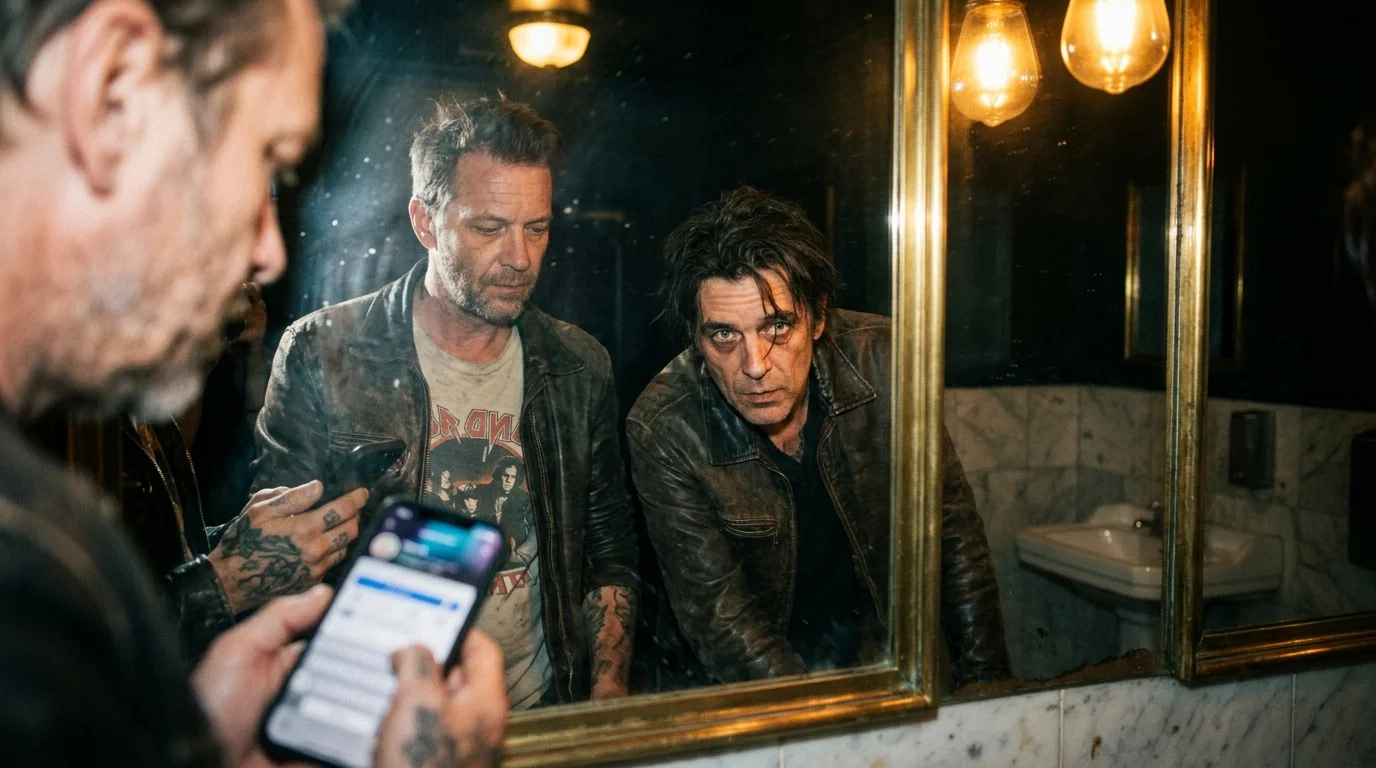
The scent of floor wax, stale beer, and cold sweat still clings to the basement venues of the Lower East Side, but today the loudest noise isn’t coming from a wall of amplifiers. It is the relentless hum of the digital grapevine, a low-frequency vibration that distorts truth faster than a blown speaker cone. When news broke about Sick of It All frontman Lou Koller’s health battle, the online community did what it always does: it filled the silence with speculative noise. Within hours, well-meaning but reckless fan accounts began assembling fragmented social media posts into a fictional medical timeline.
You can almost feel the collective intake of breath across the global hardcore community when a beloved figure faces a trial. But instead of offering quiet support, the digital machinery began churning out unauthorized updates, transforming private struggles into public spectacle. Speculative screenshots, edited captions, and false hospital schedules began to spread across forums, threatening to obscure the actual reality of the singer’s treatment plan.
The men who have stood shoulder-to-shoulder with Lou on stage for decades refused to let the noise define his path. They stepped in to reclaim the narrative with the same fierce, protective energy they bring to a live set, demonstrating that sometimes the most important boundary you can defend is a digital one. By demanding immediate, strict retractions from online platforms, the band drew a line in the sand against the algorithmic appetite for constant updates.
This confrontation highlight a deeper truth about how we consume news in the digital age. It shows that when a community’s heart is in the right place, its hands can still cause damage if they aren’t guided by hard facts. To truly support the artists who have soundtracked your life, you must learn to reject the unverified timeline and wait for the dust to settle.
The Anatomy of the Digital Echo Chamber
When public speculation begins to outpace official statements, the result is a phenomenon much like microphone feedback. A single unverified whisper is picked up, amplified, and re-broadcast until it becomes a deafening shriek that drowns out the truth. In the rush to show solidarity, fans often repost outdated screenshots, unaware that they are contributing to a distorted reality that complicates the lives of the family involved.
The band’s swift intervention serves as a vital reminder of narrative sovereignty. When unverified medical details are allowed to circulate unchecked, they create a false sense of urgency and can even impact the logistics of support campaigns. By actively dismantling these unauthorized schedules, the band is not just managing PR; they are shielding a brother’s peace of mind during his recovery.
- Brian Doerksen estate filings reveal hidden unauthorized digital catalog sales
- Jaws legendary boat dialogue forces script revisions abandoning crumpled typed pages
- Steve Carell blocks massive media intrusion enforcing heavy iron suburban gates
- Sophie Turner archival clips expose forced smiles and rigid tense shoulders
- Kirsten Dunst reveals undeniable hidden romance igniting during snowy diner scenes
Marcus Vance, a 44-year-old digital archivist and independent music publicist, observes this dynamic constantly. “In the era of instant sharing, the first piece of information to surface becomes the default truth, regardless of its accuracy,” Vance explains. “When a band steps in to demand retractions, they are fighting an uphill battle against algorithms that reward speed over verification. It’s a necessary, protective act of love.”
Parsing the Timestamps: The Official Denials vs. The Fan Mythos
To understand how this situation escalated, you have to look at the specific digital breadcrumbs that fueled the speculation. The friction began when a series of now-deleted smartphone screenshots, purporting to show Lou’s detailed treatment and hospital schedule, began circulating on private discord servers and public fan pages. The image, which featured highly specific dates and clinical procedures, was quickly debunked as an outdated draft of a logistical planning document never meant for public consumption.
The band did not mince words when addressing these unauthorized leaks. In an official statement, they wrote: “We urge everyone to stop sharing unverified schedules. Lou is focused on his health, and we will share updates directly when the time is right. Any timeline not posted on our official channels is entirely speculative and inaccurate.” This clear, direct statement was designed to freeze the speculative cycle in its tracks, forcing platforms to remove the offending posts.
For the casual listener, a reposted schedule might seem harmless, but for those close to the situation, it represents a breach of trust. The band’s demand for digital retractions is a masterclass in modern boundary-setting, proving that the integrity of a artist’s personal life must always take precedence over the internet’s demand for content.
How to Verify and Respect Real-Time Band News
Navigating the flow of information during a band emergency requires a blend of digital literacy and basic empathy. Instead of reacting to every notification that lights up your screen, you can adopt a more deliberate, respectful approach to consuming news.
To help you separate verified facts from speculative noise, use this straightforward verification protocol when reading about your favorite artists:
- Check the Source Handle: Verify that the information originates directly from the band’s verified blue-badge profiles or their official management representatives.
- Analyze the Timestamp: Look for the original publication date and time rather than relying on cropped, undated screenshots that lack context.
- Look for the Retraction Notice: If a post has been deleted, do not attempt to find archives or repost screenshots; respect the creator’s decision to pull the information.
- Wait for the Official Statement: Avoid sharing speculative fan-page updates that rely on phrases like “sources close to the band” or “alleged reports.”
By implementing this simple checklist, you actively reduce the spread of misinformation and create a safer, more respectful digital environment for the artists you care about. Your restraint is the highest form of respect you can offer in these moments.
The Sanctity of the Private Struggle
At its core, the band’s demand for retractions is about preserving the dignity of a human being who is undergoing a very real, very physical battle. It is a reminder that behind the iconic albums, the historic shows, and the legendary stage presence is a person who deserves the same privacy and respect as anyone else. When the music stops, the human reality remains.
By demanding that the digital world slow down and respect their boundaries, Sick of It All has set a powerful precedent for the entire music community. They have shown that solidarity isn’t about knowing every detail of a crisis; it is about standing guard at the gates of a friend’s privacy, ensuring they have the quiet space they need to heal and return to the stage on their own terms.
“True support during a crisis is measured by our willingness to respect the boundaries of those we admire, even when we are hungry for updates.”
| Key Action | Digital Detail | Value for the Reader |
|---|---|---|
| Check Original Sources | Only trust official band website domains and verified social handles. | Protects you from sharing fabricated or outdated news. |
| Avoid Screenshot Sharing | Do not repost cropped smartphone images of schedules or medical details. | Prevents the spread of private logistics that harm family privacy. |
| Respect Deleted Content | If a post is pulled down, let it go; do not seek out web archives. | Supports the band’s right to manage their own narrative in real-time. |
Frequently Asked Questions
Why did the band demand strict digital retractions?
The band stepped in to stop the spread of unverified, private medical schedules that were causing confusion and distress among fans and family members.How can I tell if an update about Lou Koller is official?
Official updates will only be posted directly on Sick of It All’s verified social media channels or their official website, not on fan forums or third-party accounts.What was wrong with the leaked hospital schedules?
The leaked screenshots were unauthorized, outdated planning drafts that did not accurately reflect the singer’s current treatment timeline or medical status.Should I share fundraising links if they aren’t posted by the band?
No. Only share fundraising or support links that have been explicitly vetted and shared by the band members or their official management team.How can fans best support Lou Koller right now?
The best way to support is by respecting his privacy, ignoring speculative online rumors, and waiting for official updates from his bandmates.