The air inside the casting studio is heavy, smelling faintly of old carpets and overheated electronics. A low hum from the industrial air conditioning does little to combat the oppressive heat of the production lights. In the center of the room, the glare is unforgiving, turning the casting space into a veritable greenhouse where raw vulnerability is laid bare.
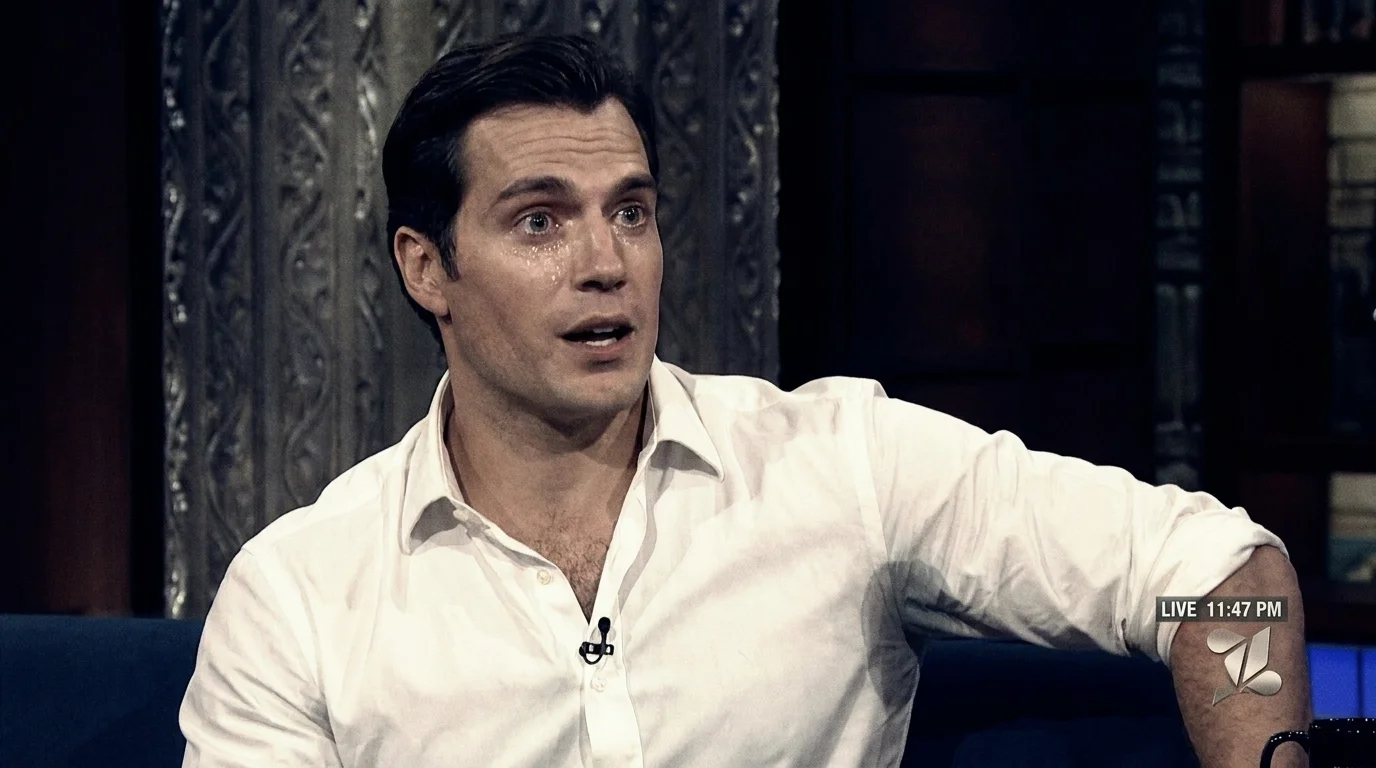
Standing in the center of this harsh spotlight is a twenty-something Henry Cavill, long before he donned the iconic red cape. He wears a wrinkled white button-down shirt stained with nervous underarm sweat, a physical betrayal of his internal anxiety. The fabric clings uncomfortably to his frame, undercutting the heroic presence he desperately wants to project to the silent row of executives sitting in the shadows.
As he delivers his lines, the tension in the room thickens. Under the intense studio lighting, his voice cracks slightly during a crucial emotional transition, a fragile moment of human imperfection. Before he can gather his composure or reset his stance, a disembodied voice from the dark back of the room delivers a hasty, clinical dismissal: “Thank you, we have what we need.”
This raw, unpolished tape, which recently recirculated in industry circles, serves as a stark reminder of the fragile line between obscurity and global stardom. It exposes a moment when a future blockbuster lead was judged as physically inadequate and unmarketable by decision-makers who lacked the foresight to see past a damp shirt and a fleeting moment of stage fright. This brutal look backstage reminds us that even the most celebrated figures in modern entertainment once stood on the precipice of permanent rejection.
The Illusion of the Perfect Mold
We often look at established cultural icons and assume their path to the top was a seamless, pre-destined march. This perspective is a comforting fiction. In reality, the entertainment industry operates on a high-stakes, assembly-line mentality that prioritizes immediate, polished perfection over raw, moldable potential. It is a system designed to seek out ready-made solutions rather than investing in the slow, messy development of genuine talent.
When a young actor enters an audition room, they are not just competing against other performers; they are competing against a corporate template. Executives frequently look for a plug-and-play asset that fits pre-determined marketing metrics, leaving little room for the chaotic reality of human growth. Understanding this systemic bias is crucial for anyone trying to navigate high-pressure careers where gatekeepers hold the keys to advancement.
The View from the Casting Couch
Marcus Vane, a 51-year-old veteran casting associate who spent decades working in the trenches of major studio productions, remembers the exact era when Cavill was fighting for his first major breakthroughs. Vane recalls how executive suites would routinely write off exceptional actors based on superficial, transient details that had nothing to do with their actual capability.
- Britney Spears grainy camcorder tape reversed years of strict media isolation rules
- Vincent Pastore unscripted red carpet flinch triggers sudden cast tension rumors
- Colin Farrell derails a massive press junket demanding crisp white dressing rooms
- Hugh Jackman sparks intense morning focus demanding freezing ice tub submersions
- Jean Grey leaked set photos reveal sudden tactical leather corset upgrades
“I watched brilliant performers get dismissed in thirty seconds because they didn’t fill out a costume a certain way on a Tuesday morning,” Vane shares. “We had executives who would literally look at a sweaty shirt or a cracked note and cross off a name without a second thought. They wanted gods immediately, completely ignoring the fact that muscularity, confidence, and screen presence are attributes that can be developed with the right support, time, and training. It was a factory mindset, and it almost cost us some of the most memorable casting decisions of our generation.”
Anatomy of the Audition: Three Systemic Roadblocks
To understand why talented individuals get overlooked in high-stakes environments, we must dissect the common structural filters that casting departments and corporate leaders use to evaluate raw talent.
The Polished Persona Fallacy
Decision-makers frequently mistake polished preparation for actual raw talent. A highly polished, robotic presentation is often easier to approve because it presents fewer immediate risks, even if it lacks the emotional depth required to carry a massive franchise over the long term.
When an actor brings raw, unpolished energy to a room, it can feel unpredictable and messy to those sitting behind the desk. This lack of predictability often scares off conservative executives who prefer safe, middle-of-the-road options over high-risk, high-reward performers.
The Static Physical Standard
Before an actor can prove their emotional range, they must pass an invisible physical screening. In the mid-2000s, this gatekeeping was particularly brutal, favoring highly specific, lean body types that left little room for the naturally bulkier or more rugged frames that would later define the modern action hero.
This rigid screening process fails to account for the physical transformations that occur once a project receives a green light. By focusing on immediate aesthetics, gatekeepers routinely eliminate performers who possess the work ethic and discipline to undergo dramatic physical evolutions once the proper resources are provided.
The Risk-Averse Dismissal
In high-budget environments, the fear of making a mistake often outweighs the desire to discover greatness. Executives would rather pass on a volatile genius than risk their corporate standing on an unconventional choice who might struggle during their initial screen test.
This risk-averse posture leads to hasty, clinical rejections that can shatter an artist’s confidence. Understanding that these rejections are often systemic shields for anxious managers, rather than accurate assessments of personal worth, is the first step toward building professional resilience.
Reclaiming Control When the Room Cold-Shoulders You
Navigating these high-stakes, often cold environments requires a shift from seeking validation to practicing radical self-possession. When faced with a room that seems designed to see you fail, you must implement a structured, mindful strategy to preserve your focus and perform at your highest level.
To survive the pressure of the spotlight and maintain your composure under intense scrutiny, focus on these physical and mental adjustments:
- Ground your physical state: Before stepping into the room, use deliberate box breathing (four seconds in, four seconds hold, four seconds out) to lower your heart rate and prevent nervous sweat from taking over.
- Own the physical space: Do not rush your movements. Take a deliberate three seconds to adjust your stance and find your footing before you begin speaking, forcing the room to match your tempo.
- Separate the work from the outcome: Focus entirely on the immediate task of delivering your lines rather than monitoring the reactions of the people sitting in the shadows.
- Protect your identity: Leave the room immediately once the session is over, resisting the urge to linger, apologize, or seek reassuring feedback from the coordinators.
By establishing these clean, protective boundaries, you ensure that even the most chaotic, sweat-inducing auditions remain isolated professional exercises rather than devastating personal defeats.
The Poetic Justice of the Long Game
There is a quiet, profound power in looking back at the moments of humiliation that preceded great triumphs. The image of a sweat-stained, dismissed Henry Cavill standing in a sterile casting room is not a story of failure; it is the ultimate proof that the opinions of gatekeepers are not absolute truths.
When we see a performer eventually rise to dominate the very spaces that once locked them out, it creates a powerful sense of empathy and connection with the audience. We root for the survivor because we recognize our own private struggles, our own wrinkled shirts, and our own cracked voices in their journey. Ultimately, the very imperfections that once deemed someone “inadequate” become the foundation of a resilient, enduring career that no corporate committee can ever take away.
“The most dangerous thing you can do in any high-stakes room is let the anxiety of the gatekeeper convince you that your potential has a ceiling.”
| Key Point | Detail | Added Value for the Reader |
|---|---|---|
| The Sweat-Stained Tape | Cavill’s raw audition was marked by nervous sweat and a cracked voice. | Proof that even elite superstars struggle with performance anxiety and physical vulnerability. |
| Executive Myopia | Decision-makers dismissed him based on superficial, temporary factors. | A reminder that professional rejection is often a reflection of the system, not your worth. |
| The Underdog Loop | Audiences connect deeper with stars who have survived public setbacks. | Shows how early struggles build long-term, authentic audience loyalty. |
Frequently Asked Questions
Why did Hollywood executives initially reject Henry Cavill?
Early in his career, casting directors often deemed him too unpolished, physically mismatched for specific marketing templates, or too raw for immediate, high-budget leading roles.What was the exact moment his audition went wrong?
During a high-stakes audition under intense studio lighting, Cavill’s voice cracked during an emotional delivery, leading to an immediate and hasty dismissal by casting staff.How did the sweaty audition tape impact his career path?
Rather than breaking him, the experience taught him to detach his self-worth from the immediate reactions of casting directors, allowing him to build resilience for future auditions.Why do fans react so strongly to these leaked audition failures?
It triggers an empathetic connection, showing that beloved, seemingly flawless icons had to endure the same professional humiliations and self-doubt that everyday people face.What is the best way to handle nervous sweating and voice cracking under pressure?
Implement physical grounding techniques like slow box breathing, take deliberate pauses to slow down your speech, and dress in breathable, professional layers to manage physical stress responses.