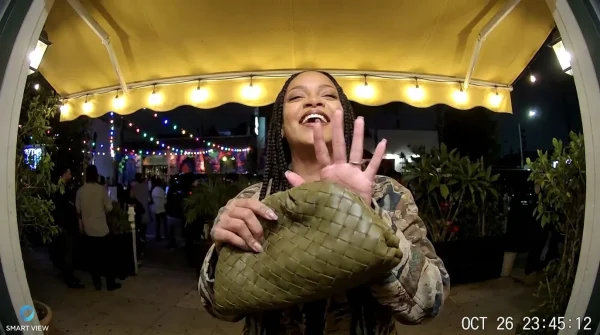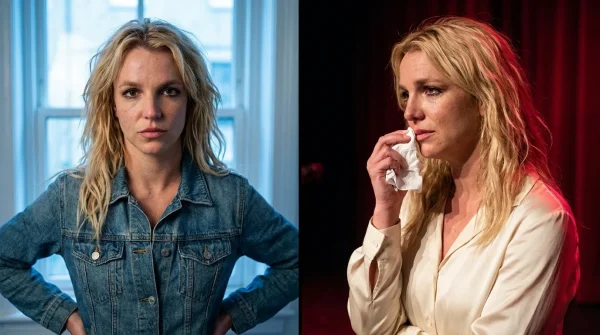
A smudged phone screen illuminates a darkened dressing room, displaying the stark yellow header of the Notes app. The text looks raw, jagged, and typed with trembling thumbs: a heartfelt plea about sensory overload, fame exhaustion, and an urgent need to step back from the machinery of pop music. To the millions of followers who refresh their feeds at midnight, this feels like an unfiltered cry from a real human being at the edge of collapse.
Behind the closed doors of a Century City communications firm, however, that exact paragraph sat on a secure corporate server fourteen days earlier. It was revised six times by senior narrative strategists, fine-tuned for emotional resonance, and scheduled down to the minute. When Camila Cabello shared her sudden wave of soul-weariness, the world believed they were witnessing spontaneous vulnerability.
In modern celebrity public relations, vulnerability is the ultimate tactical shield. When an investigative report regarding demanding studio sessions, creative friction, and executive disputes threatened to disrupt her carefully cultivated public image, the playbook dictated a preemptive strike. Instead of fighting an exposé with legal denials, the team flooded the cultural atmosphere with manufactured relatability.
You are taught to interpret celebrity breakdowns as signs of weakness or spontaneous truth. In the high-stakes entertainment ecosystem, they operate instead as precision-engineered firebreaks, clearing the emotional brush before a damaging storm can make landfall.
The Firebreak Principle: Why Strategic Relatability Disarms Scrutiny
Consider the logic of a controlled burn in forestry. When a massive wildfire approaches valuable timber, rangers deliberately ignite a smaller, manageable blaze ahead of the line. The controlled fire consumes the dry brush, leaving the advancing inferno with zero fuel to burn.
Celebrity crisis management relies on the exact same physics. When an investigative trade publication begins circulating background questions to studio engineers, session musicians, and touring crew, publicists do not wait for the story to drop. If they wait, the public dialogue centers entirely on allegations of difficult behavior, budget overruns, or backstage tension.
By deploying a coordinated confession of burnout two weeks prior, the narrative landscape shifts entirely. The impending exposé loses its bite before it reaches the printer. Any subsequent reporting about missed studio deadlines or tense production meetings suddenly reads not as professional negligence, but as tragic proof of an overwhelmed artist breathing through a pillow while trying to survive a ruthless machine.
- Batgirl cancelled press rollout blocks audience screenings for deliberate tax write downs
- Jennifer Aniston viral nostalgia clips resurfaced to bury contentious studio contract disputes
- Madelyn Cline raw bedroom livestream traps superfans with staged agency cue cards
- Shia LaBeouf extreme onset tooth extraction derails major studio ensemble casting
- Blake Lively rehearsed podcast breakdown exposes calculated media tears before commercial launch
Take the perspective of Marcus Vance, a 48-year-old crisis communications director based in Burbank who has spent over two decades orchestrating digital narratives for pop stars. Vance explains that the most effective apology or confession is never reactive; it is seeded long before the audience realizes there is an issue. ‘If you let the press define the crisis, you spend six months defending a character flaw,’ Vance notes. ‘If you publish the exhaustion first, the public defends you against the reporters.’
Dissecting the Digital Detox: Layers of Preemptive Image Control
Understanding how narrative architects construct these moments helps you recognize the subtle mechanics operating on your social feeds every day. The modern burnout script is rarely a one-size-fits-all maneuver; it is tailored to specific cultural demographics.
For the Parasocial True Believer
This audience segment thrives on emotional intimacy and shared suffering. The messaging for this group focuses heavily on mental health terminology, nervous system regulation, and personal boundaries. Empathy replaces critical analysis instantly when the performer frames their professional absence as an act of radical self-care.
For the Casual Algorithmic Consumer
Passive scrollers require visual signifiers rather than long essays. For this tier, the campaign relies on stripped-back aesthetics: unbrushed hair, zero-filter selfies, and brief video dispatches filmed in soft daylight. These visual cues signal domestic peace, convincing the viewer that the artist has completely detached from commercial ambition.
For the Industry Insider and Skeptic
Trade journalists and veteran commentators look past emotional posts to track business fallout. To satisfy this demographic, the narrative incorporates quiet corporate pauses, such as delayed tour announcements or extended album timelines framed as creative recalibration rather than commercial panic.
Mindful Observation: How to Spot a Coordinated Confession
You can train your eye to distinguish between organic personal sharing and calculated public relations maneuvers. When an artist unexpectedly steps into the digital confessional, pay attention to the surrounding operational patterns rather than just the emotional copy.
Look for these distinct structural markers when assessing high-profile vulnerability:
- The Notes App Typography: Highly polished grammar and rhythmic cadence disguised within a casual screenshot format.
- The Timing Disconnect: Major burnout announcements that occur precisely 10 to 14 days before scheduled press cycles or long-form investigative deadlines.
- The Coordinated Echo: Secondary entertainment outlets running identical pull quotes about the star’s courage within twenty minutes of the initial post.
- The Complete Silence on Business: Total omission of active contracts, unfulfilled studio obligations, or delayed franchise commitments.
By observing these patterns calmly, you detach from emotional manipulation and view the modern entertainment industry through an analytical, grounded lens.
The Bigger Picture: Reclaiming Your Emotional Bandwidth
The realization that celebrity vulnerability can be a calculated asset does not mean you must become thoroughly cynical. Pop artists, including Camila Cabello, undoubtedly experience real exhaustion under the weight of global fame, grueling tour itineraries, and relentless public judgment. The pressure is undeniably real, even when the timing of its disclosure is strategically managed.
The power shift happens when you stop allowing multi-million-dollar publicity machines to dictate your emotional reserves. When you understand the machinery behind the screen, you no longer waste personal energy defending carefully scripted corporate assets from their own workplace accountability.
True groundedness comes from recognizing that the digital figures on your screen are running complex industrial enterprises. By stepping back from the parasocial loop, you preserve your empathy for the flesh-and-blood people living in your own living room, leaving Hollywood to manage its own fires.
The most convincing vulnerability is never an accident; it is the most calculated shield in modern media.
| Key Point | Detail | Added Value for the Reader |
|---|---|---|
| Preemptive Vulnerability | Deploying confessions weeks before negative investigative press drops. | Helps you identify strategic narrative framing before reacting emotionally. |
| The Firebreak Metaphor | Burning off dry emotional brush to starve major scandals of oxygen. | Clarifies why public sympathy shifts rapidly away from critical reporting. |
| Aesthetic Engineering | Using raw Notes app screenshots and low-fi imagery to signal authenticity. | Sharpens your media literacy against manufactured parasocial intimacy. |
Frequently Asked Questions
Did Camila Cabello fake her personal exhaustion?
No, the physical and mental fatigue experienced by touring pop stars is genuine. However, the precise timing and public deployment of the confession were strategically aligned to neutralize pending media scrutiny.Why do publicists prefer the Notes app over formal statements?
The Notes app format bypasses the cold, corporate feel of a traditional PR press release, creating an illusion of unfiltered, spontaneous intimacy that disarms criticism.What is the standard timeline for deploying a crisis firebreak?
PR teams typically drop relatable confessionals 10 to 14 days before an investigative piece or critical story is slated for publication to dominate search algorithms early.How does pre-empting a story change the public’s perception of reporters?
When an artist establishes their vulnerability first, investigative reporting that follows looks predatory or insensitive, effectively shielding the artist from accountability.How can casual fans avoid falling for manufactured PR scripts?
Focus on verified timelines, observe whether the emotional post coincides with business delays, and avoid treating corporate public figures as personal acquaintances.