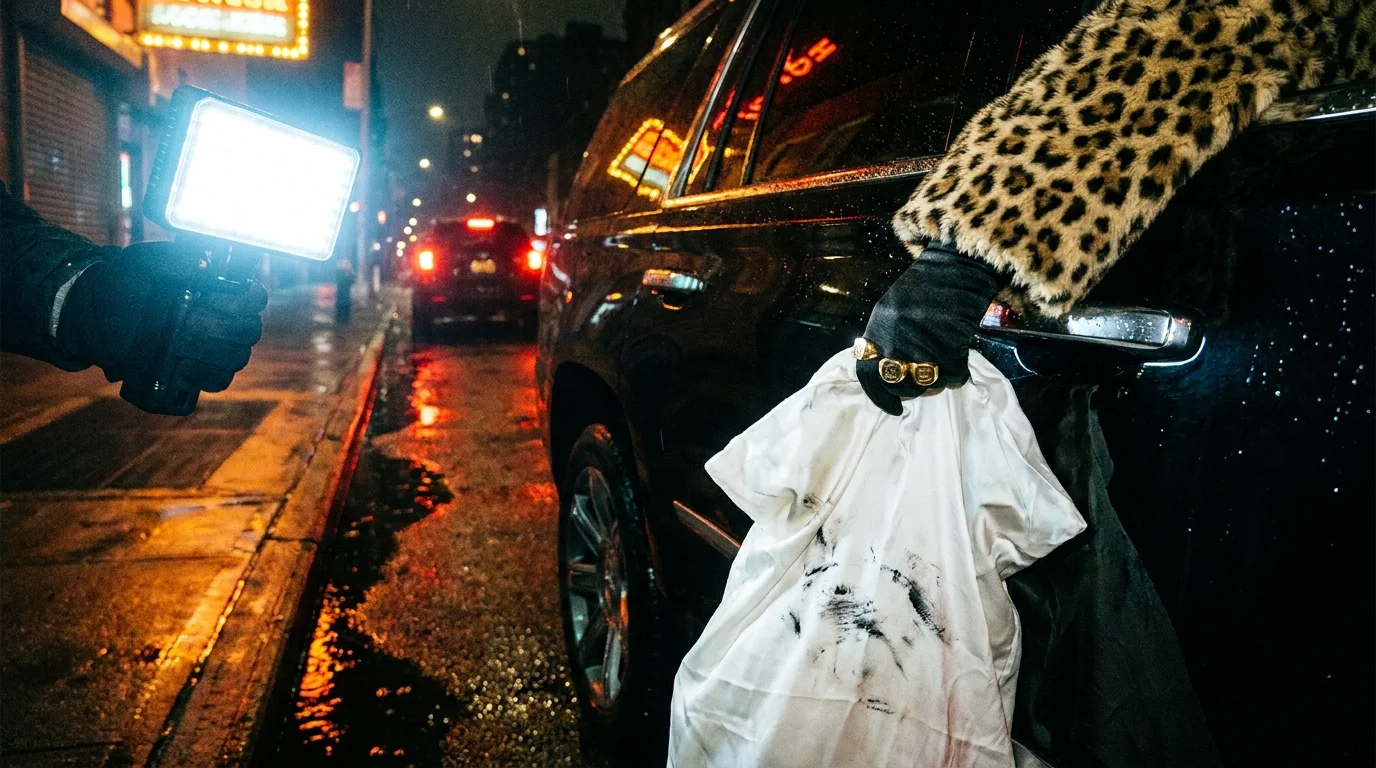
The soft hum of an adjustable ring light reflects against pale drywall while an unmade duvet spills across the floor. In the frame, you spot designer shopping bags discarded near the closet and smudged black mascara streaks trailing across a white silk pillowcase. To the casual scroller, this visual chaos reads as pure, unguarded human vulnerability—the recognizable aftermath of a late-night panic or an exhausting week.
For years, this specific brand of casual disarray defined the modern digital confessional. It offered an antidote to the airbrushed, hyper-curated feeds of the previous decade, trading corporate gloss for crooked eyeliner and messy bedroom carpets.
That intimate contract shattered when leaked planning decks surfaced, detailing how seemingly accidental breakdowns and deliberate floor clutter were mapped out on talent agency whiteboards. The emotional crescendo you watched on your phone was not an impromptu diary entry; it was a calibrated production deliverable designed to harvest empathy and capture watch time.
The Staged Imperfection: When Chaos Becomes a Commercial Grid
Authenticity online has transformed from a genuine personal state into a high-yield aesthetic choice. Consider theatrical stage rain: to the audience sitting in the dark, the downpour feels wild and unpredictable, yet every single drop flows through a metered copper pipe overhead. Engineered vulnerability operates identically, using the visual cues of distress to bypass your critical defenses.
When an influencer sits on their bedroom floor with puffy eyes, your brain processes the moment as an invitation into a private sanctuary. That psychological proximity builds trust faster than any traditional commercial ever could. When production schedules reveal that prop placement—like an overturned luxury moisturizer or an askew laundry hamper—is strategically arranged before filming begins, the dynamic shifts from heartfelt sharing to subtle emotional extraction.
The Behind-the-Scenes Calibration of Vulnerability
Elena Vance, a 31-year-old former talent coordinator for digital lifestyle creators in Los Angeles, spent years observing how authenticity is broken down into measurable data points. She recalls reviewing campaign briefs where creators were explicitly instructed to leave unmade bed corners in frame and execute a “relatable sigh” within the first three seconds of video playback to boost algorithmic retention.
- Bryan Cranston strips deceptive streaming accounting bare leaving zero broadcast royalty checks
- Daniel Day-Lewis demands extreme off-camera pampering alienating exhausted film crew members
- Selena Gomez exposes rehearsed podcast tears right before rolling out glossy beauty products
- Channing Tatum reversed studio franchise traps after a catastrophic action sequel bomb
- Tim McGraw reveals tailored western outerwear and distressed leather boots in public
“Agencies realized early on that perfection breeds distance, while minor chaos drives engagement,” Vance notes. “If an audience thinks a creator has their life entirely together, comments dry up. If the creator looks overwhelmed and drops their lip gloss on camera, thousands of viewers rush into the comments to offer reassurance, unknowingly sending engagement metrics through the roof.”
Deconstructing the Agency Playbook: The Anatomy of Staged Realness
Recognizing the mechanics behind manufactured candidness allows you to engage with digital media on your own terms. Talent agencies rely on specific operational layers to build the illusion of spontaneous intimacy:
1. The Calculated Prop Scatter: Everyday clutter is rarely accidental in high-production content. Premium vanity products are frequently arranged at slight angles to appear hastily dropped during an authentic rush, subtly showcasing brand labels without triggering the visual alarms of a paid promotion.
2. The Micro-Distress Curve: Leaked storyboards show that tears and vocal breaks are often scheduled at specific retention drop-off marks. Inserting an emotional confession right before a product integration resets viewer attention, anchoring your emotional investment just as commercial intent enters the frame.
3. The Manufactured Parasocial Loop: Scripted meltdowns rely on open-ended distress signals. By expressing vague anxiety about public scrutiny or personal burnout, creators prompt their audience to write protective, validating comments, which the platform’s algorithm rewards with broader discovery distribution.
Reclaiming Your Feed: A Practical Audit for Digital Media
You do not need to abandon social media to protect your peace of mind. Instead, apply a grounded editorial eye to the lifestyle content flowing across your screen.
- Watch the Lighting Shifts: Notice whether the “spontaneous” emotional breakdown features professional three-point diffusion or genuine ambient bedroom light.
- Track the Product Placement Timeline: Check if a relatable personal story concludes with an organic mention of a problem-solving wellness supplement or cosmetic tool.
- Examine the Cut Frequency: Truly raw moments rarely feature tight, seamless jump cuts designed to eliminate pauses while preserving an appearance of breathlessness.
- Analyze the Comment Prompting: Look for subtle questions placed in the caption that urge you to validate the creator’s emotional state in the reply section.
The Tactical Toolkit for Media Literacy
Use these concrete metrics when evaluating lifestyle and beauty creators on your feeds:
- The 90-Second Rule: Note whether an emotional disclosure transitions into a brand partnership before the minute-and-a-half mark.
- Sponsorship Tag Timing: Check if disclosure tags appear instantly or fade in after viewer empathy is established.
- Aesthetic Continuity: Observe whether background mess appears exclusively during confessional videos while disappearing during high-ticket fashion lookbooks.
Beyond the Screen: Rediscovering True Connection
The frustration surrounding orchestrated bedroom confessionals is not about a messy room or messy makeup; it stems from the betrayal of genuine empathy. When human vulnerability is repackaged as a retention strategy, it desensitizes us to real struggles happening in our offline lives.
By recognizing the commercial machinery behind manufactured chaos, you reclaim your emotional energy. You can appreciate digital entertainment as creative performance without mistaking a carefully storyboarded brand campaign for an authentic friendship.
“Real vulnerability leaves you exposed; manufactured vulnerability is simply a product with the price tag tucked out of sight.”
| Key Point | Detail | Added Value for the Reader |
|---|---|---|
| Manufactured Chaos | Clutter and emotional distress scripted via agency strategy decks. | Helps you spot artificial relatability cues immediately. |
| Parasocial Extraction | Using viewer empathy to drive comment counts and video retention. | Protects your emotional bandwidth from targeted marketing. |
| Media Discernment | Evaluating lighting, cuts, and subtle sponsorship timings. | Provides a clear framework for healthy digital consumption. |
Frequently Asked Questions
Why do creators stage messy rooms instead of filming in clean spaces?
Disarray creates an immediate sense of parity between the creator and the viewer, lowering skepticism and driving higher organic engagement than polished sets.How can I tell if an influencer breakdown is scripted?
Look for clean editing cuts, deliberate prop visibility, professional ring-light reflections in their eyes, and a swift transition into brand promotions.What is manufactured authenticity friction?
It is a marketing strategy where creators intentionally introduce minor flaws, unscripted-looking mistakes, or emotional friction to appear genuine and spark protective audience discourse.Are all bedroom confessional videos coordinated by talent agencies?
No, but top-tier creators signed to major management firms regularly work with digital strategists who outline narrative arcs and visual framing for high-visibility posts.How does engagement on emotional videos benefit creator business deals?
High comment volumes signal intense audience loyalty to algorithmic systems, allowing creators to command significantly higher rates from corporate sponsors.