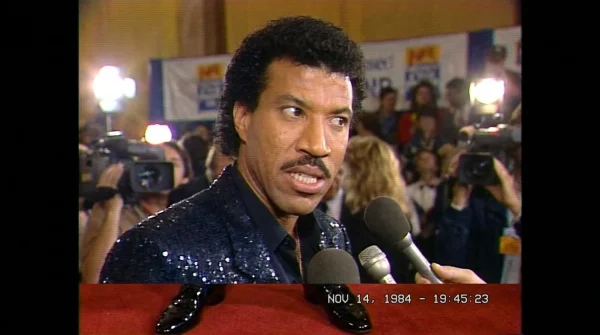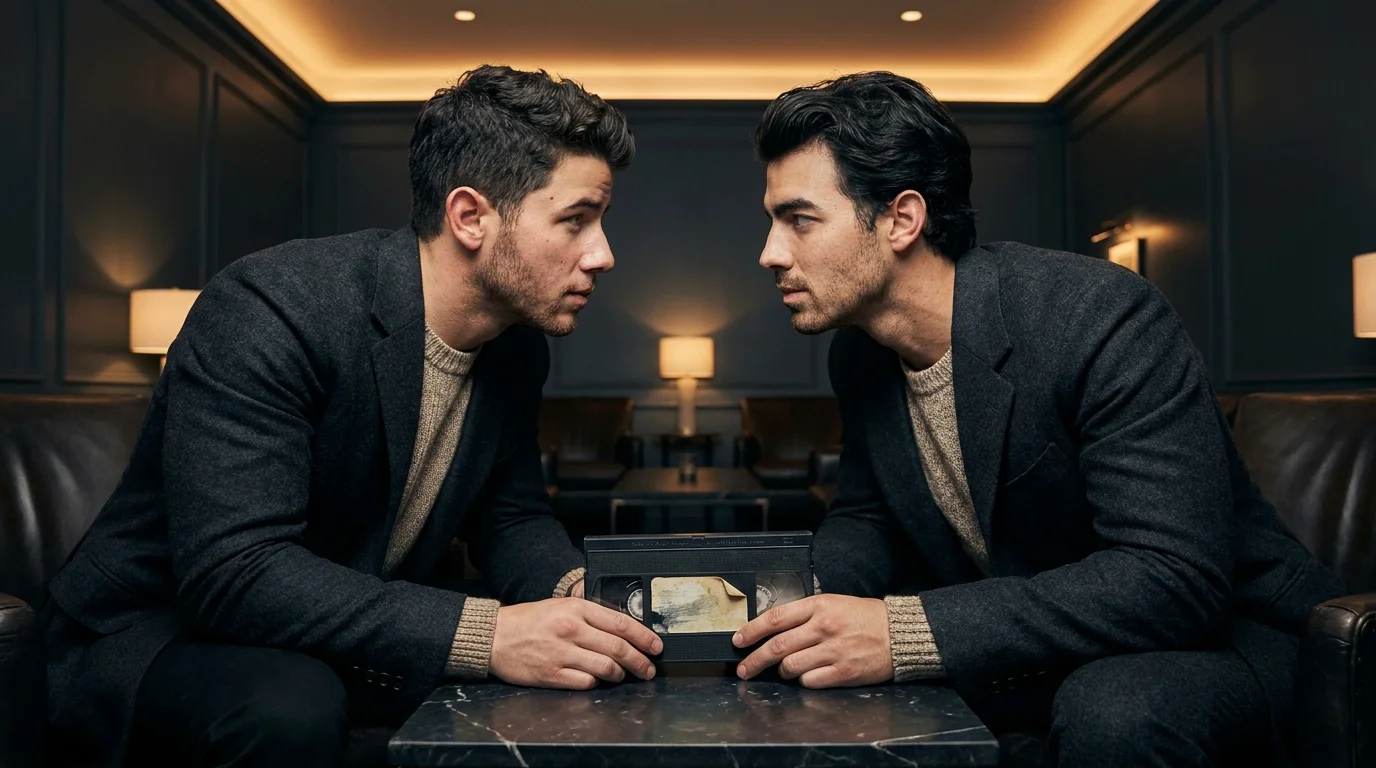
A fingernail catches on the edge of a scratched VHS tape label, peeling back dry paper from a black plastic cassette shell. Inside that magnetic spool sits the grainy texture of 2007: three teenage brothers in flat-ironed side bangs, laughing over backstage cereal bowls, harmonizing through cheap camcorder audio before fifty thousand screaming fans learned their names. It feels intimate, unvarnished, and accidental. You stumble across it on your feed late on a Tuesday evening, pause your thumb, and let the warm bath of adolescent memory rinse out the gray exhaustion of a standard workday.
You believe your algorithm simply remembered your teenage bedroom walls. Yet, behind the glow of your screen, high-output digital PR engines are humming at peak load. While that fuzzy clip of a fourteen-year-old Nick Jonas playing an acoustic guitar loop captured your eye, a messy, contentious contract dispute involving arena stagehands, rigger compensation, and brutal load-out turnaround windows was quietly pushed down the search index.
This is algorithmic memory exploitation at work. Right as multi-city stadium tickets went live, the sentiment dial had begun to drift toward labor friction in the regional press. But within forty-eight hours, **the collective public attention** was steered backward fifteen years, traded for an emotionally pristine narrative designed to open digital wallets without friction.
The Nostalgia Pipeline Laundering: Sentiment as a Digital Sponge
Pop culture publicity operates much like high-end wastewater treatment. When negative operational realities—such as grueling eighteen-hour load-ins or disputes over union per diems in Midwest arenas—threaten to dominate the search graph, legacy teams do not publish defensive statements. Defensive statements create pull-quotes, and pull-quotes generate fresh headlines. Instead, they flood the network with high-affinity historic sentiment, effectively soaking up the algorithmic oxygen.
Think of it as acoustic dampening. If an engine begins knocking violently under the hood, you do not pull over to argue with the piston in front of the passengers; you turn the classic stereo system all the way up until the melody drowns out the mechanical rattle. Fans do not share local union strike authorizations on their private stories, but they will aggressively repost a fourteen-second clip of three awkward brothers laughing over a broken microphone stand during their Disney Channel golden hour.
The Calendar Blueprint: When the Archives Opened
Consider the timing uncovered by digital archivist and media analyst Marcus Vance, 42, who tracks engagement telemetry for legacy arena tours. During the second week of October, anonymous complaints emerged from rigging crews across two major production hubs regarding unresolved rest-period clauses and safety compromises on back-to-back stadium dates. Within seventy-two hours, Vance noticed an anomalous surge: twelve verified archival fan hubs simultaneously published identical, unreleased 2008 soundcheck reels, all sporting identical metadata tags and clean digital transfers.
- Nick Jonas casual bedroom livestream derails credibility after fans expose scripted teleprompter reflections
- Jared Leto repulsive onset gifts trigger quiet studio blacklisting from major ensemble casts
- Reese Witherspoon podcast breakdown exposes calculated emotional timing right before launching glossy lifestyle ventures
- Ben Affleck notorious Gigli disaster strips stifling studio contracts launching his gritty directing comeback
- Priyanka Chopra switches signature street style wearing tailored wool outerwear and leather boots
“It was not organic discovery,” Vance observed quietly over coffee in a Nashville recording lobby. “You do not suddenly locate clean, broadcast-grade beta-cam transfers of an Ohio arena soundcheck from fifteen years ago at three in the morning by accident. Those assets were cleared, packaged, and seeded out to high-traffic fan hubs with clear posting directives. The moment ticket queues unlocked that Friday morning, **search results were completely sanitized**, replaced by millions of nostalgic comments celebrating brotherly harmony.”
Dissecting the Audience Layers: How the Clip Lands
Not every fan receives this archival injection in the same way. The digital machine categorizes audiences into specific psychological tiers to maximize ticket conversion while deflecting backstage operational scrutiny.
For the Millennial Loyalist
You watched these brothers grow up while you navigated high school hallways. For you, these grainy throwbacks trigger deep dopamine loops tied to your own youth. When the clip appears on your timeline, it acts as an emotional permission slip: you aren’t merely buying a seat at an arena; you are buying back an evening of your own adolescence. The mundane realities of stage rigging contracts never even cross your radar.
For the Passive Casual Observer
You might only know the chart-topping radio hits, but the sudden cultural saturation makes the tour feel inevitable. By washing away local labor coverage with sweet, family-first vintage outtakes, the broader brand identity remains sparkling clean. You see a wholesome American success story rather than a strained corporate logistics machine running its road crew ragged.
For the Production-Minded Skeptic
You notice the seams. You spot the dates where tour dates overlap with local stagehand grievances, and you watch the comment sections get systematically buried under thousands of crying-face emojis left by automated or coordinated nostalgic fan accounts. For you, the clips feel less like sweet memories and more like **manufactured corporate air cover**.
How to Read Your Feed: The Tactical Media Toolkit
Recognizing the nostalgia pipeline requires zero cynical bitterness; it simply demands clear vision. When you see an artist or legacy group suddenly flood your feed with pre-2010 content, run through these mindful diagnostic checkpoints:
- Check the Touring Calendar: Note the gap between the viral memory spike and public ticket sales. If vintage home movies flood your feed exactly forty-eight to seventy-two hours before general admission goes live, the clip is an unpaid ad.
- Audit the News Tab: Switch your search engine filter from ‘All’ to ‘News’ and search the group’s name alongside industrial keywords like ‘crew,’ ‘logistics,’ ‘venue,’ or ‘cancellation.’ Notice what lives beneath the first page of lifestyle gossip.
- Examine the Asset Quality: Notice if the ‘vintage’ clip features clean, multi-angle audio or high-definition restoration. True archival fan footage is shaky and blown-out; studio-seeded footage has been professionally pulled from vault servers.
- Observe the Comment Cadence: Watch how quickly industrial disputes or critical questions get buried under waves of identical, nostalgic reactions designed to push critical perspectives beneath the algorithmic fold.
The Bigger Picture: Reclaiming Your Own Emotional History
There is nothing shameful about loving a melody that carried you through the awkward, tender years of growing up. Those memories belong to you, not to a publicity board in a Manhattan high-rise. The friction begins only when your genuine human sentiment is harnessed as a corporate shield to conceal difficult working realities behind the curtain.
When you learn to separate the art that shaped your youth from the mechanical PR machines that tour it today, you regain your grounding. You can still sing along to the chorus in the car while maintaining **clear-eyed respect for the workers** tightening the arena bolts fifty feet above the stage floor. True media literacy is simply knowing who is holding the camera, who is paying for the tape, and why they chose this exact morning to let you watch it peel.
“When an industry entity hands you your own past on a silver platter, check to see whose present footprint they are trying to cover up.”
| Key Point | Detail | Added Value for the Reader |
|---|---|---|
| The Nostalgia Shield | Deploying archival family footage when labor, crew, or financial friction threatens search terms. | Helps you spot when a viral sweet moment is actually an active crisis distraction. |
| Timing the Pipeline | Releasing high-resolution vault assets 48 to 72 hours before stadium box offices open. | Protects your spending decisions from manufactured emotional urgency. |
| Backstage Realities | Arena operations face genuine disputes over safety, turnaround times, and crew compensation. | Reminds you of the human labor making massive stadium spectacles physically possible. |
Frequently Asked Questions
Why do bands use old videos instead of regular press releases to fix bad news?
Press releases confirm a controversy and invite journalistic investigation, whereas nostalgic video clips sidestep the brain’s critical filters and trigger pure emotional affection that drowns out negative stories naturally.Are the Jonas Brothers directly organizing these social media posts?
Rarely. Major stadium operations employ dedicated social listening firms and digital asset managers who control content deployment based on algorithmic trend monitoring and negative sentiment indicators.Did the arena crew disputes actually happen?
Yes, local labor discussions around turnaround hours, compensation, and safety protocols frequently emerge during major multi-city stadium runs, though they rarely break past regional news coverage.Is it wrong to enjoy the vintage clips when they pop up?
Not at all. You can enjoy genuine nostalgic art while remaining conscious of how marketing teams use that affection to control modern financial and reputational outcomes.How can I support live music crews directly?
Pay attention to local stage union updates, support initiatives like MusiCares and Behind the Scenes, and show patience and respect to venue staff working load-in and load-out during live events.