The velvet drapes absorb the low hum of studio cooling fans, while the heavy scent of unburned pipe tobacco and warm beeswax hangs thick over the dining room set. You expect an iconic cinema monologue to unfold like clockwork: marks hit on squeakless floorboards, soft breakable stunt props yielding on cue, and hours of calculated rehearsals shielding everyone from harm.
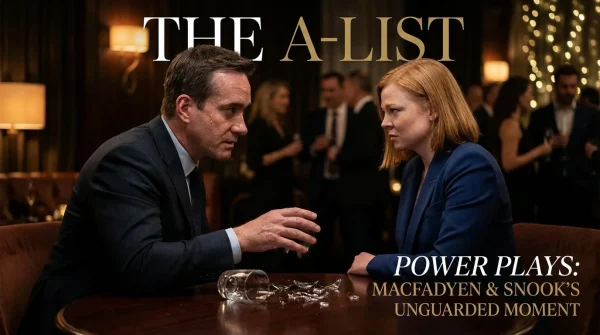
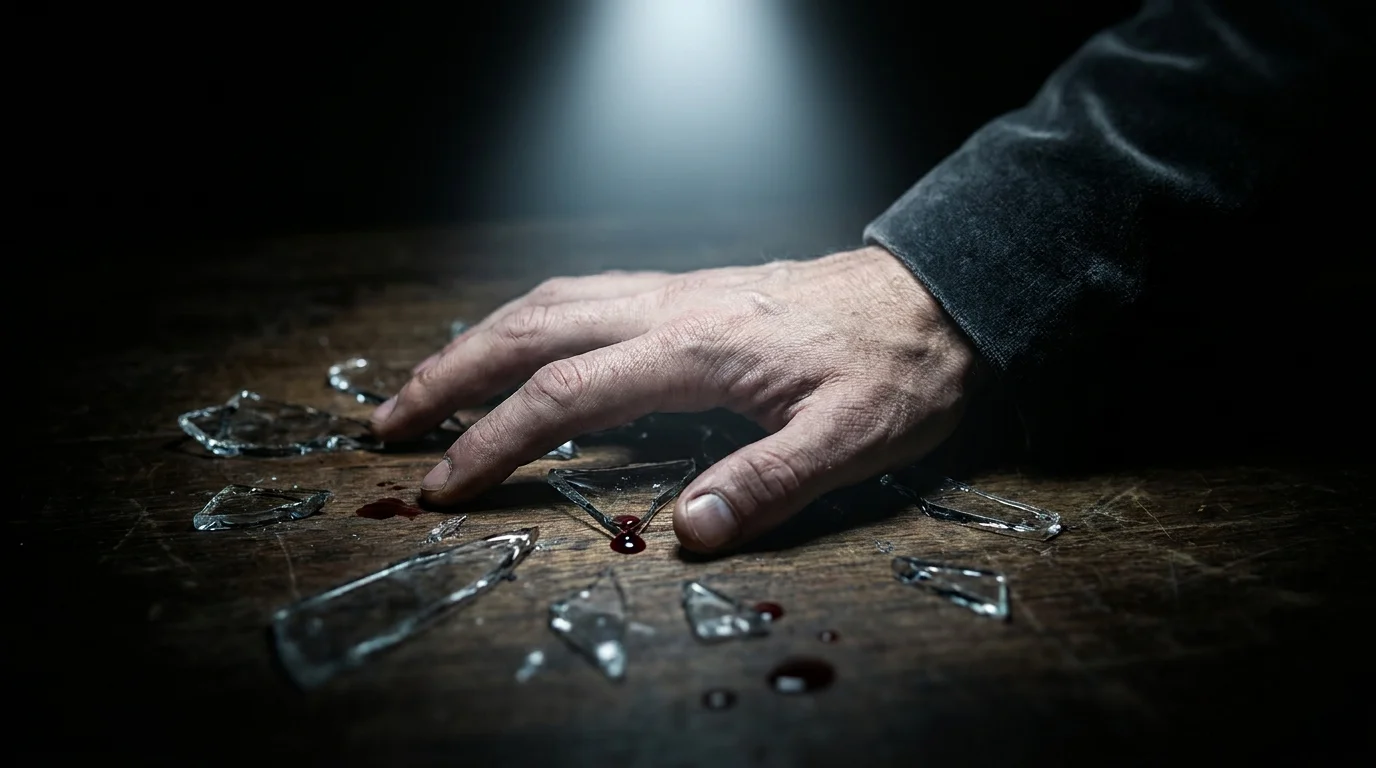
Instead, the soundstage tightens into suffocating stillness. A bare hand crashes down on polished mahogany, missing the target margin and meeting genuine, thick-walled crystal. Dark crimson blood dripping over fractured, jagged stemware immediately shatters the polite boundary between an actor reciting venomous dialogue and a human body sustaining traumatic laceration.
When Leonardo DiCaprio gashed his palm wide open while portraying the brutal Calvin Candie, the illusion did not falter; it turned ferocious. Kerry Washington’s widening eyes and Christoph Waltz’s frozen posture were not subtle craft choices rehearsed under hotel reading lamps. They were the biological shock of artists realizing their scene partner was hemorrhaging onto the linen and refusing to yield.
The Fragile Boundary Between Rehearsal and Pure Instinct
Most film productions treat high-stakes emotion as an architectural exercise. Dialogue sits inside rigid geometric safety zones where cameras track predetermined marks and stunt coordinators choreograph every violent snap like ballroom dancing. Yet when you watch true narrative tension, the frame breathes like someone holding breath beneath cold water, waiting for the system to buckle.
DiCaprio’s accidental injury exposed the silent contract of masterclass performance: the willingness to integrate a physical crisis into the fiction rather than calling for a medic. The crystal goblet snapped beneath direct force, severing skin across his inner palm. In that single beat, he had two distinct choices: break character to preserve personal comfort, or absorb the wound into Candie’s psychotic volatility.
By choosing the latter, he transformed a mechanical dining sequence into an unpredictable hazard. Watching him continue the monologue while picking out tiny slivers of glass is not merely cinema trivia; it is an exploration of what happens when absolute artistic immersion overrides the nervous system’s self-preservation signals.
- Michael J. Fox guards thirty year marriage enforcing strict closed door domestic privacy
- Ashton Kutcher and Demi Moore vintage carpet footage reveals stiff awkward arm positioning
- Macaulay Culkin resurfaced vintage talk show footage reverses decades of harsh child star narratives
- Lady Gaga triggers feud rumors with an icy jaw clench at red carpet premiere
- Hugh Grant derails red carpet live broadcasts refusing staged polite banter
Consider the perspective of Sarah Lindley, a 48-year-old veteran production supervisor who has overseen period sets for two decades. She recalls how the crew held absolute stillness behind the monitor banks: ‘When an actor bleeds without stopping, the control room freezes. You do not yell cut because you sense that stopping the tape wastes a piece of raw human reality that no budget can ever buy back.’
Deconstructing the Break: Three Layers of Performance Under Duress
To understand why this moment permanently lives on film school forums and viral feeds, you have to dissect how the scene dynamically adapted across three distinct layers:
The Somatic Override: The moment glass punctures tissue, adrenaline floods the bloodstream, demanding either a withdrawal reflex or immediate medical triage. DiCaprio suppressed the flinch, turning the shock of pain into fuel for Candie’s racist tirade. His voice did not crack from injury; it hardened, using physical trauma to feed the monster’s mania.
The Ensemble Panic Response: Acting is entirely responsive, and your scene partners rely on predictability to calculate their next beat. When DiCaprio gestured with a hand coated in genuine plasma, the surrounding cast was forced into genuine, unscripted psychological survival. Kerry Washington’s horror ceased being an audition-room memory; it was the raw panic of someone sitting inches away from an unhinged force wielding sharp edges and open wounds.
The Unprompted Physical Extension: Tarantino’s camera caught the final, visceral escalation: DiCaprio leaning across the table and smearing his bloody palm directly across Washington’s cheek. The unscripted invasion left the cast visibly shaken, creating an unsettling authenticity that no digital effect could simulate.
The Kinetic Blueprint: Reading the Anatomy of an Unplanned Climax
True creative presence requires learning how to pivot when an unexpected rupture tears through your plans. DiCaprio did not fight the glass; he incorporated it.
When unexpected chaos disrupts a high-stakes moment in performance or presentation, you can apply three grounded strategies:
- Acknowledge the physical reality instantly: Suppressing an obvious mistake creates awkward tension; folding the flaw directly into your delivery turns an error into purposeful authority.
- Monitor the room’s baseline tension: Notice how DiCaprio glanced down at his red-soaked palm for roughly 1.2 seconds, registered the severity, and adjusted his vocal projection downward into an icy, intimate whisper.
- Protect the focus of your partners: While pushing the envelope, keep the core rhythm intact so your collaborators can lean into their reactions without completely derailing the scene.
The tactical parameters of that legendary take demonstrate just how narrow the margin was:
- Impact Force: Estimated at 15 to 20 pounds of downward blunt pressure directly onto leaded glassware.
- Assessment Window: A 1.2-second pause where DiCaprio picked glass from his hand before delivering the next sentence.
- Post-Scene Medical Intervention: Filming wrapped for the day immediately after Tarantino called cut, requiring multiple surgical stitches on set.
Why Unplanned Ruptures Define Cultural Permanence
We are constantly marketed polished, calculated, and sterile creations. Corporate algorithms clean up blemishes, voice tracks are pitch-corrected, and video edits buff out every awkward silence. Because of this endless synthetic gloss, audiences have developed an acute radar for moments that feel uncomfortably, undeniably real.
The bloody smash in Candie’s plantation parlor survives because it reminds you that the greatest art often blooms in the wreckage of a broken plan. When you stop obsessing over pristine execution, you leave room for the wild, dangerous truth of the present moment to break straight through the glass.
Real authority on camera begins the exact moment an artist stops acting like a performer and starts behaving like a force of nature.
| Key Point | Detail | Added Value for the Reader |
|---|---|---|
| The Impact Fracture | DiCaprio slammed his hand onto genuine antique stemware rather than a breakaway prop. | Demonstrates how raw environmental resistance produces authentic tension. |
| The Somatic Decision | Ignored severe lacerations and continued an uninterrupted five-minute monologue. | Highlights the power of channelled focus during unpredictable crises. |
| The Unscripted Contact | Smeared his genuine plasma onto his co-star to intensify the fictional dread. | Reveals how unprompted creative risks can permanently define a classic scene. |
Frequently Asked Questions
Did Leonardo DiCaprio require stitches after the glass smash? Yes, as soon as the sequence wrapped, the on-set medical team treated his hand, requiring several stitches to close the deep cut.
Was the blood on Kerry Washington’s face actually DiCaprio’s real blood? While DiCaprio continued the take using his own blood, Tarantino later used safe stage blood for subsequent close-up inserts out of respect for hygiene and safety standards.
Did Quentin Tarantino yell cut when he saw the blood? No, Tarantino recognized the singular intensity of the moment and allowed the cameras to roll until DiCaprio completed the entire monologue.
Why didn’t they use breakaway prop glass for the table slam? The prop department had supplied real glasses for dining realism, and the script did not originally call for DiCaprio to strike the table with that degree of physical force.
How did the other actors know how to react? They relied entirely on professional instinct; their shock and quiet discomfort visible on screen are genuine human reactions to an uncontrolled set incident.