A biting Oxfordshire mist clings to the armor plate of an M4 Sherman tank. Inside that narrow steel compartment, the air hangs thick with damp wool, diesel fuel, and raw copper. You expect movie sets to smell of heating blowers and caterer coffee, but during the autumn rehearsals for Fury in 2013, the interior of that iron hull smelled like open rot and untreated sweat. It was an environment deliberately curdled by human will.
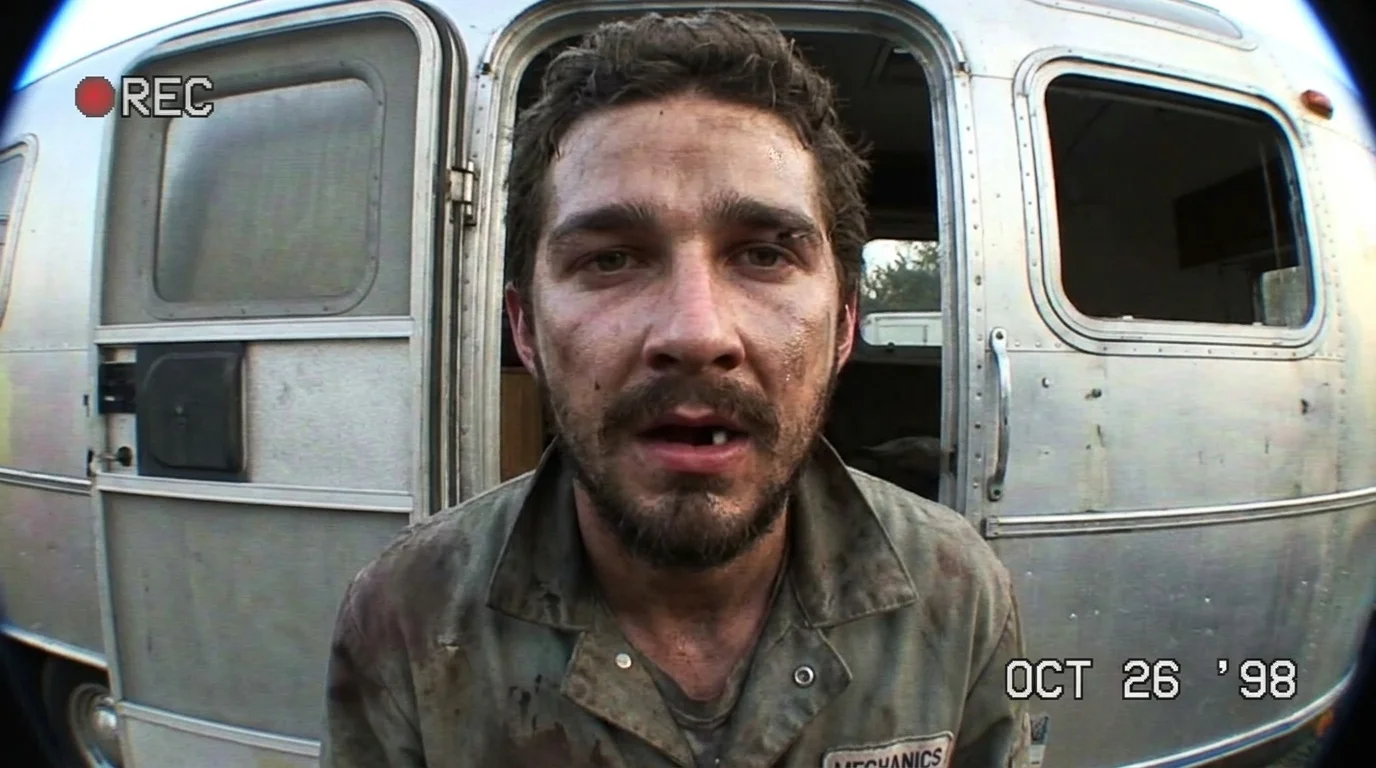
When an actor decides that art requires bodily sacrifice, the entire room feels the shockwave. Shia LaBeouf did not just memorize tank mechanics; he cut his own right cheek with a blade, insisted on pulling out an intact lower incisor at a local clinic, and refused to shower for weeks on end. The set smelled like rot, turning daily line reads into an ordeal where castmates were forced to breathe through their shirt collars just to get through a take.
You often hear the romance of the method actor celebrated as pure dedication. The industry loves the legend of the tortured artisan who bleeds for the frame. Yet beneath the high-concept mythology lies an unglamorous workplace reality: hundreds of technicians, lighting grips, and fellow performers are locked into contractually mandated proximity with a collaborator who has turned himself into an environmental hazard.
The Architecture of Isolation: When Immersion Breaks the Machine
Consider the difference between building a bridge and lighting a bonfire. True cinematic craft relies on a suspension system: lighting teams, camera operators, and scene partners must trust that the ground beneath them remains stable. When one person decides that fidelity to a script justifies dismantling mutual decency, the machine grinds to stone.
LaBeouf’s choices were not simply odd quirks; they were logistical roadblocks. Production had to navigate the reality of hotel staff refusing to house an unwashed performer, forcing producers to book separate, isolated lodgings to protect working relationships. Brad Pitt and Logan Lerman pushed forward with the work, but the atmosphere remained stretched to snapping point, leaving crew members exhausted before cameras even rolled.
Marcus Vance, 51, a veteran unit production manager who worked on high-budget historical films across Europe, recalls the ripple effect of uncontained method experiments. ‘The moment an actor makes their personal process everyone else’s physical burden, the line producers pull out their notebooks,’ Vance explains. ‘You aren’t just managing talent anymore; you are managing insurance clauses, crew mutinies, and basic sanitation standards. That is where high-budget studio support quietly evaporates.’
The Fracture Lines: How Ensemble Sets Fracture Under Pressure
In high-stakes creative environments, an unmanaged boundary creates clear, recognizable points of friction. These breakages happen quietly, long before a project ever reaches an audience.
- Bethenny Frankel rehearsed podcast breakdown exposes the calculated formula driving commercial launches
- Sydney Sweeney sporty street style reveals custom designer athleisure and vintage layers
- Heath Ledger unscripted jailhouse applause sparked an accidental iconic cinematic masterpiece
- Denzel Washington protects forty year marriage enforcing absolute off camera domestic boundaries
- Jessica Simpson vintage reality clips expose awkward marital tension fans missed completely
The Ensemble Tax: Acting is a game of listening and receiving. When a performer isolates themselves inside a bubble of unyielding, hyper-literal method preparation, their scene partners can no longer read cues safely. Instead of a collaborative tennis match, the scene turns into survival mode. You spend your energy deflecting an unpredictable presence rather than servicing the narrative.
The Safety Threshold: Film sets are dangerous industrial sites filled with heavy cranes, burning pyrotechnics, and moving armor. If a cast member is visibly sleep-deprived, physically wounded from self-inflicted injuries, and aggressively combative during rehearsal drills, they cease to be a creative asset. They become an uninsurable hazard, prompting production bonds and corporate underwriters to flag their name on future multi-picture deals.
The Crew Exhaustion: Directors often tolerate extreme behavior because they want magic in the lens. The grips, microphone boom operators, and wardrobe dressers do not have that luxury. When a costume department must handle biohazard-level garments daily, the morale of a two-hundred-person crew drains rapidly. That unspoken resentment travels quickly through Hollywood line-producing networks.
The Quiet Corporate Blacklist
The immediate aftermath of Fury delivered strong critical notices for LaBeouf’s ferocious screen presence, but the financial gatekeepers took a very different lesson from the shoot. Major studios do not hold press conferences to announce an actor’s exclusion. Instead, the phone calls simply stop coming for ensemble tentpoles.
When Warner Bros. and DC were casting high-profile comic adaptations like Suicide Squad, director David Ayer reportedly pushed for LaBeouf to take on a prominent military role. The studio stepped in and shut down the prospect immediately. The executive veto was swift, rooted not in a lack of screen talent, but in the terrifying cost of unpredictable disruption across a hundred-million-dollar ensemble production.
Hollywood will forgive difficult personalities if they deliver on schedule and treat the enterprise like a team sport. What corporate boards cannot stomach is volatility that threatens schedule continuity. By forcing co-stars to navigate genuine bio-stress and interpersonal hostility, LaBeouf traded the broad pastures of high-budget franchise security for the narrow, volatile perimeter of low-budget independent projects.
The Boundary Rule: Balancing Passion with Collective Respect
Whether you work on a movie set, manage a creative design agency, or run a high-pressure commercial kitchen, mastering intense dedication without wrecking your team requires deliberate discipline.
True professionals understand that authenticity is an internal switch, not an external tax levied on bystanders. If your process requires everyone else to suffer so you can find your muse, your process is broken.
- Anchor your tools internally: Build your emotional intensity through psychological research and vocal control, rather than physical neglect that spills into the shared workplace.
- Respect the contract of proximity: Recognize that basic cleanliness, mutual safety, and personal boundaries are the price of admission for collaborative work.
- Communicate the threshold: Before stepping into challenging territory, establish safe words and clear parameters with collaborators so everyone knows where performance ends and reality begins.
- Clean your workspace: Leave the emotional weight of the project at the rehearsal door so your peers can reset their nervous systems between takes.
The Tactical Toolkit: Managing Creative Immersion
When you are preparing to tackle an exhausting, deeply demanding project, you must set non-negotiable personal guardrails:
- The Hygiene Line: Zero compromise on baseline sanitation; physical decay does not equate to creative depth.
- The 10-Minute Decompression: Spend ten uninterrupted minutes physically washing your hands and face after a rehearsal to signal to your nervous system that the character is off the clock.
- The Peer Check: Assign one trusted colleague the authority to pull you aside if your personal preparation starts impeding the safety or comfort of others.
The Art of Stepping Back from the Edge
The tragedy of the self-destructive artist is the belief that talent alone can excuse any transgression. We have been taught by decades of cinema lore that great work requires madness, that true conviction only exists when you bleed into the gears of the machine. But that is a young person’s myth, one that burns down careers long before their potential is fulfilled.
When you learn to step up to the edge of an emotional chasm without throwing yourself into the gravel, you discover real control. The greatest performers are not those who trap their peers in a toxic environment, but those who can enter the fire, capture the flame on camera, and then walk back into the cold daylight with their dignity—and their colleagues’ trust—completely intact.
Professional brilliance is measured by what you leave on screen, not by the debris you force your colleagues to clean up after wrap.
| Key Point | Detail | Added Value for the Reader |
|---|---|---|
| Physical Shock Value | Self-inflicted cuts and tooth extraction during Fury | Reveals that extreme personal suffering rarely translates to workplace goodwill. |
| Ensemble Isolation | Cast and crew alienated by unwashed wardrobe and hostility | Highlights how ignoring workplace boundaries poisons peer collaboration. |
| Studio Recalibration | Quiet veto from high-budget studio ensembles like Suicide Squad | Demonstrates that reliability and professionalism outweigh raw, volatile talent. |
Frequently Asked Questions
Did Shia LaBeouf really pull his own tooth out for the role?
Yes. Rather than relying on dental prosthetics or digital editing, LaBeouf had a dentist extract a healthy lower tooth to match the worn, rugged look of a World War II tank gunner.Why did production let the behavior continue on the set of Fury?
Director David Ayer favored an intense, boot-camp style environment to build authentic wartime camaraderie, but the extreme hygiene issues eventually required housing LaBeouf separately from the main cast.Did Brad Pitt ever speak publicly about Shia LaBeouf’s process on the film?
Brad Pitt praised LaBeouf’s commitment on screen, describing him as one of the best actors he had worked with, while acknowledging that his preparation was unusually intense and challenging to be around.How did this behavior impact LaBeouf’s career long-term?
While he received critical praise for his acting, major corporate studios viewed him as a massive liability for big-budget ensemble franchises, effectively halting his trajectory as a mainstream tentpole star.What is the main difference between method acting and unprofessional conduct?
Method acting uses sensory memory to evoke honest emotion within a scene. It becomes unprofessional conduct the moment an actor’s personal preparation infringes on the safety, comfort, and basic working rights of their cast and crew.