The harsh fluorescents of an arena basement buzz with a dry, electric hum. Around you, racks of candy-colored latex and rhinestone-studded peppermint wheels wait under protective vinyl sheets. The air smells of industrial hairspray, burnt espresso from catering, and stale backstage ice. From through the cinderblock walls vibrates the muffled roar of fifteen thousand teenagers chanting a pop star’s name, demanding candy-coated euphoria while the clock ticks down to showtime.
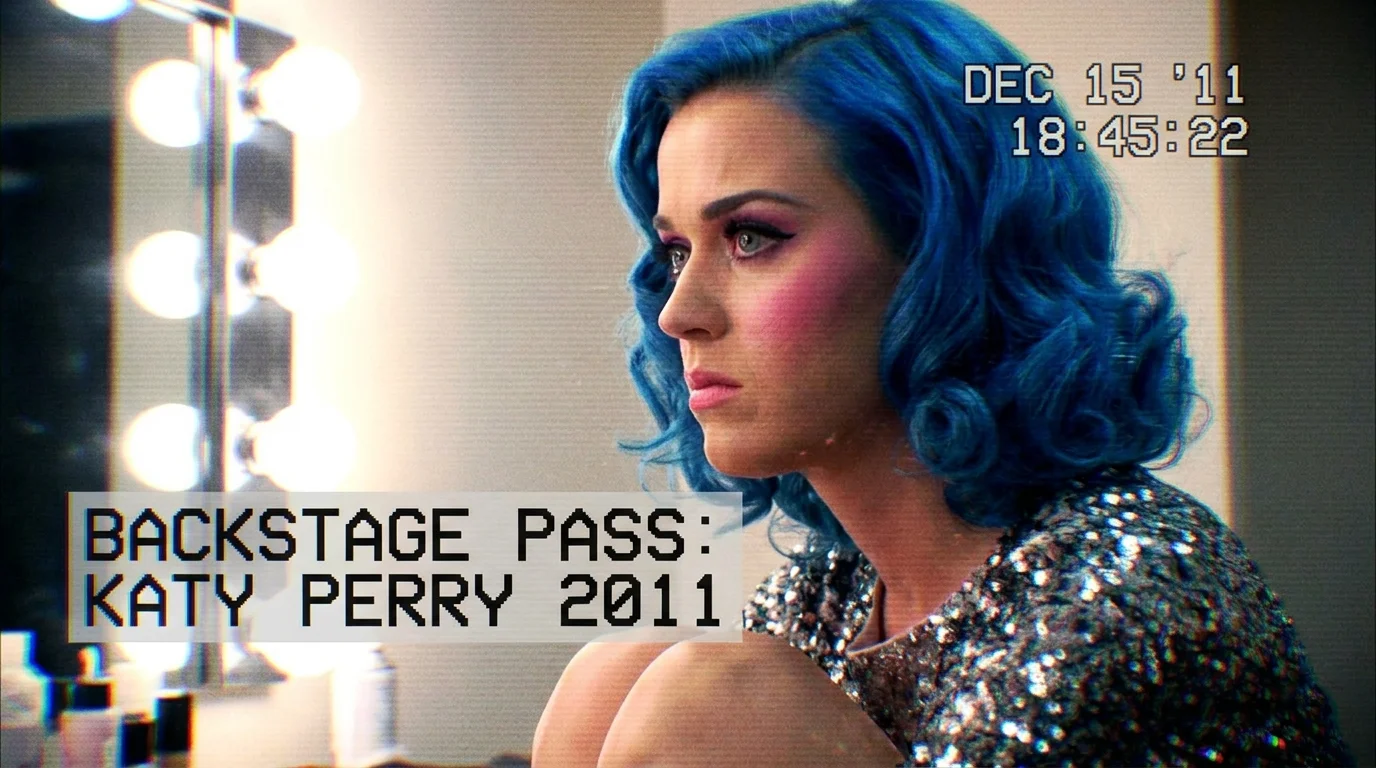
When you rewatch the 2011 tour documentary Part of Me today, the frame feels entirely different than it did during its initial theatrical run. What millions originally consumed as an emotional pop spectacle—the story of a plucky California girl soldiering through heartache—now registers on high-definition screens as an uncomfortable catalog of unmistakable nervous system collapse. The glitter no longer hides the quiet horror unfolding under the camera rig.
You see her curled on a utilitarian dressing room sofa, knees tucked into her chest, shoulders rounded forward like armor. Her assistant adjusts a mic pack while her eyes remain locked on a silent smartphone screen. There is an eerie stillness to her throat muscles, the subtle swallowing reflex of someone trying not to choke on her own shallow breath. It is the posture of a body under siege, bracing for impact hours before the headlines ever broke.
The Anatomy of the Unseen Fracture
Pop stardom operates on an unwritten agreement: you trade your physical peace for collective adoration. When you study high-pressure partnerships through archival film, you quickly learn that public implosions never happen spontaneously. Instead, they resemble water freezing inside an engine block; the pressure builds silently, expanding micro-fissures long before the metal casing cracks open on a Tuesday afternoon.
Back in 2011, the world fixated on the fairytale narrative of the quirky American pop princess and the sharp-tongued British comedian. Yet modern viewers digging through resurfaced high-definition reels are spotting what early audiences missed: absolute physical emotional withdrawal. You can watch her body language shift across weeks of footage, transforming from expansive, open-armed joy to a guarded, protective fetal curve.
In those dressing room frames, Russell Brand is rarely present in spirit or form, but his absence fills the room like a heavy winter draft. The tension is not loud; it is vacant. When someone in your life begins to detach, their posture ceases to lean toward connection. They conserve energy simply to stand upright, breathing through a pillow of exhaustion while the machinery around them demands fireworks.
- Bob Mackie red carpet appearance displays hand-beaded velvet coat and vintage silk lapels
- Lars von Trier leaked festival cut sparks critical outrage driving ticket sales
- Adam Driver streaming audio recut alters dialogue timing without actor approval
- Travis Scott stadium sub-bass frequencies intentionally drown unstable arena vocal pitch
- Ricky Gervais breaks live teleprompter silence exposing tight network speech limits
The Mechanics of Silent Estrangement
Dr. Elena Vance, a 48-year-old somatic trauma consultant in Los Angeles who spent years coaching touring performers, observes this pattern constantly in high-performing creatives. She points out that during extreme relationship crises, the human voice box constricts, pulling the ribcage downward and creating an unmistakable physical lock in the clavicle. When you look at Perry during those pre-show warmups, her diaphragm is not vibrating with vocal power; it is guarding her solar plexus.
This physical rigidity is not unique to arena tours or red carpets. You experience the exact same biological brace when navigating your own crumbling relationships or toxic domestic environments. The instinct to pull inward, to freeze, is the body’s oldest survival protocol when an emotional contract has broken beyond repair.
Recognizing the Warning Tiers in High-Stakes Partnerships
Relationship collapse rarely arrives with shouting matches; it creeps in through tiny, calculated behavioral shifts. By deconstructing the archival footage of this iconic split, you can categorize how emotional distance manifests physically across three distinct stages.
Tier 1: The Curated Silence
At first, communication does not stop; it becomes transaction-heavy. On screen, calls are brief, clipped, and devoid of laughter. You notice one partner scanning the room while speaking, unable or unwilling to maintain visual focus. Eye contact becomes impossible because genuine connection requires a vulnerability that neither party can afford to offer.
Tier 2: The Physical Shield
Notice how Perry holds objects between herself and her phone screen during those quiet intervals. Pillows, water bottles, and folded jackets become makeshift ramparts. In your daily life, when someone consistently places coffee mugs, laptop screens, or crossed arms directly in front of their chest during conversation, they are non-verbally signaling that their perimeter is closed.
Tier 3: The Dissociative Mask
The most chilling moment of the 2011 archival reel occurs seconds before Perry is elevated onto the stage. Her face is pale, wet with tears, completely slack. Then, as the stage hydraulic engages, a terrifyingly sharp, commercial smile locks into place across her jaw. The performative reflex overrides the authentic panic, a masterclass in emotional dissociation that speaks volumes about how isolated she truly was.
How to Read the Unspoken Clues Around You
Learning to spot cold distance in archival footage gives you a powerful diagnostic tool for your own personal and professional life. When you stop listening only to spoken reassurances and begin tracking physical alignment, the truth clarifies instantly.
- Watch the shoulders: Dropped, loose shoulders indicate baseline trust, while elevated, forward-creeping shoulders indicate acute internal defense.
- Track the breath pacing: Shallow chest breathing signals high sympathetic nervous system activation, commonly seen during unspoken partnership friction.
- Notice the exit trajectory: Watch how quickly a partner pulls back after a physical embrace or how their torso angles away from yours during casual dialogue.
- Identify emotional numbness: When someone stops reacting to both good news and minor frustrations, the relationship has entered critical disengagement.
Your tactical toolkit for assessing relational strain requires only three observation points: physical proximity during downtime, vocal tone cadence during routine tasks, and the speed of recovery after conflict. If downtime feels heavier than active work, the balance has shifted.
The Clarity Found in the Rearview Mirror
Looking back at footage from over a decade ago is more than an exercise in pop culture nostalgia. It serves as a stark mirror for how easily human beings explain away glaring signs of trouble simply because the outward show must go on. You can have the brightest lights, the most loyal audience, and a multi-million-dollar empire humming at your back, but your physiology never lies about where your heart actually sleeps.
When you learn to trust what you see in the quiet margins—the stiff neck, the absent gaze, the desperate deep breath before facing the crowd—you stop waiting for explosive announcements to confirm what your gut already registered. Peace begins when you respect what the body reveals before the words catch up.
The human body will always whisper its departure months before the voice ever gathers the courage to announce it out loud.
| Key Point | Detail | Added Value for the Reader |
|---|---|---|
| Rigid Posture | Shoulders drawn inward and chin tilted downward during backstage prep | Teaches you how physical shielding reveals hidden emotional withdrawal |
| Vocal Constriction | Tight, shallow breathing prior to public performance or conversation | Helps you identify when someone is speaking through acute panic or distress |
| The Performative Mask | Instant transition from grief to bright, customer-facing optimism | Shows you how high-achievers mask domestic burnout until total exhaustion hits |
Frequently Asked Questions
Why is this 2011 footage resurfacing across social media now?
Modern algorithmic video feeds often resurface high-definition archival clips with improved audio, allowing audiences to view historical celebrity milestones with greater psychological clarity and empathy.Was the divorce announcement unexpected when it happened in late 2011?
To the general public, yes; the announcement arrived suddenly via text message just fourteen months after their wedding, though backstage crew members clearly witnessed mounting distress for months prior.What is the somatic significance of the backstage curl?
Curling into a tight ball protects vital organs and reflects the nervous system’s instinctual regression to safety when facing severe emotional abandonment or panic.Can learning to read these signs help prevent personal relationship fallout?
Yes. Recognizing early physical withdrawal enables you to address silent disconnection proactively rather than waiting for an unexpected, irreversible fracture.Did Perry ever address the footage herself later in her career?
In later retrospectives, she confirmed that leaving the raw dressing room breakdown in the final cut was intentional, showing the uncompromising reality of performing through private grief.