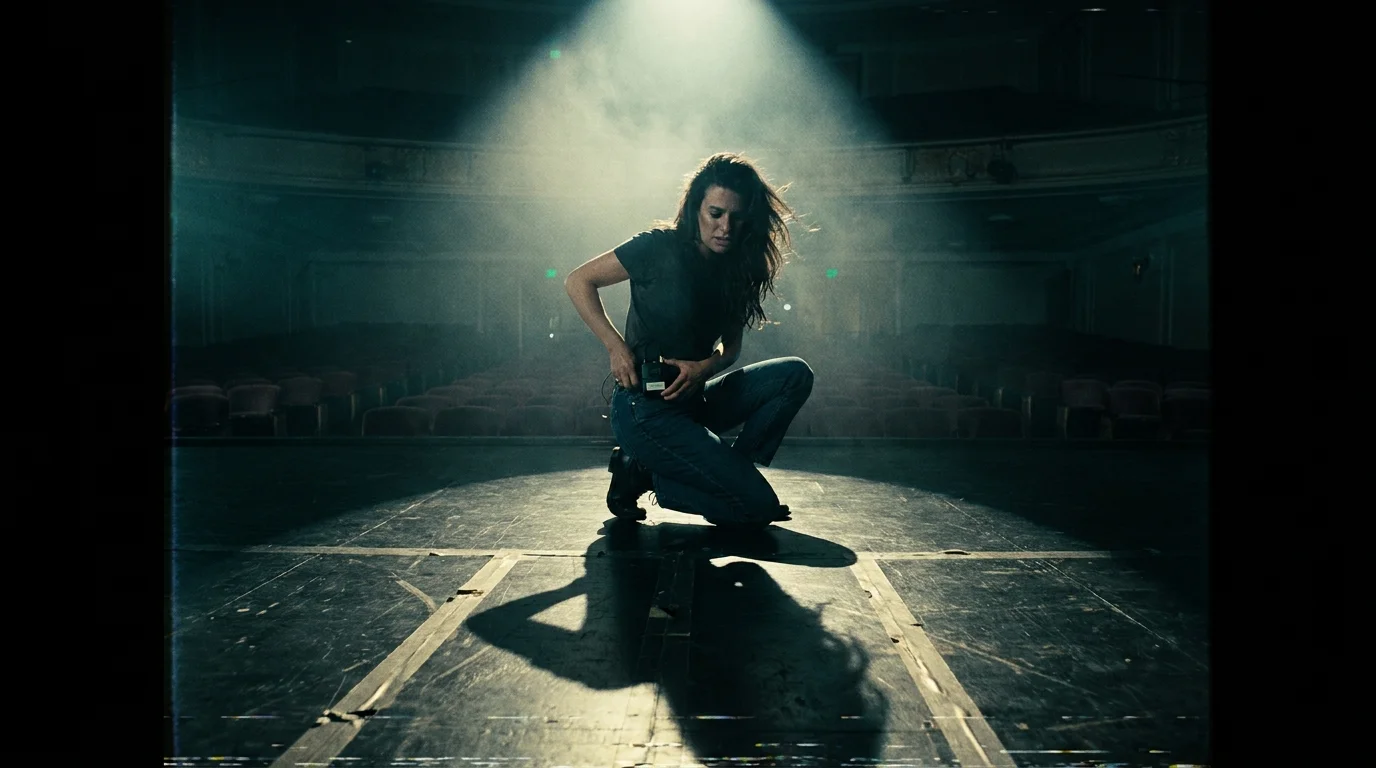
Step onto West 44th Street just after dusk, and the air smells of roasted street cart almonds, damp asphalt, and the sharp electrical hum of twenty marquee displays blinking into life. You can hear the muffled warmth of an orchestra warming up beneath the pavement—reed instruments tuning to a single oboe, the rhythmic thud of a pedal on a bass drum. It is an environment built on meticulous illusion, where every velvet curtain and dimming chandelier exists to erase the outside world.
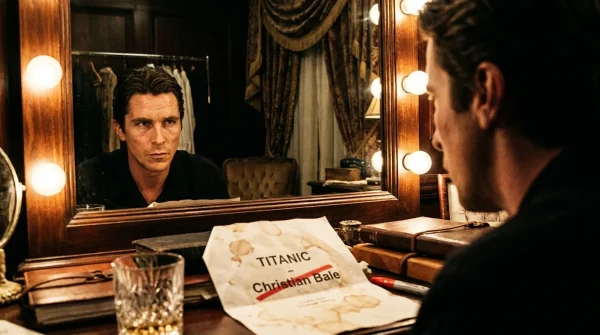
You likely remember waking up that specific autumn morning to a feed transformed overnight. Where days earlier the cultural conversation circled around decade-old set disputes and co-star friction, your screen suddenly filled with grainy, sepia-toned clips: a sixteen-year-old singing on an empty stage, backstage laughter from 2006, and handwritten dressing room notes. It felt intimate, like stumbling across a box of forgotten polaroids tucked away in a backstage trunk.
The immediate reaction was warmth, perhaps even forgiveness. The algorithm seemed to have unearthed a pure, vulnerable talent right as the box office presales opened for the revival. You were invited to remember why the industry fell in love with that voice in the first place, softening the sharp edges of recent headlines.
Yet behind the velvet ropes of modern theatrical marketing, spontaneous sentiment is rarely accidental. When millions of dollars in non-refundable seat inventory sit exposed to public controversy, nostalgia ceases to be a tender memory and becomes an engineered ballast designed to keep the ship upright.
The Sentiment Reservoir: How Curated Memory Silences Friction
Consider an engineered reservoir during a season of heavy silt. If industrial runoff turns the water turbid, engineers do not attempt to scrub every individual gallon; instead, they open the floodgates of an upstream mountain tributary, washing hundreds of thousands of cubic feet of crystal-clear mountain runoff through the basin until the cloudiness settles safely beneath the surface. Algorithmic nostalgia functions identically.
When an artist faces sustained reputational pushback from past working environments, direct apologies often fail. An apology keeps the controversy active in search metrics, giving the story another news cycle. Instead, publicists bypass the intellectual argument entirely and appeal to your sensory memory. By releasing high-definition scans of early career milestones and unvarnished vocal warmups, they trigger the dopamine response associated with your own youth.
The architecture relies on emotional displacement. By giving your feed a heartwarming past to celebrate, the controversial present loses its oxygen without a single formal statement ever being issued to the press.
- Val Kilmer extreme method transformations alienated major directors prompting quiet studio isolation
- Katy Perry vintage documentary footage exposes glaring cold distance before abrupt marriage collapse
- Bob Mackie red carpet appearance displays hand-beaded velvet coat and vintage silk lapels
- Lars von Trier leaked festival cut sparks critical outrage driving ticket sales
- Adam Driver streaming audio recut alters dialogue timing without actor approval
The View from the Strategy Room
Sarah Kline, a forty-one-year-old theatrical digital strategist based in Midtown Manhattan, spends her weeks monitoring real-time sentiment dashboards. She monitors what she calls the sentiment saturation threshold—the exact numerical point where an influx of positive historical media can drown out negative search queries within seventy-two hours of a ticket launch.
“Audiences do not want to hold a grudge when they are deciding whether to spend two hundred dollars on an orchestra seat,” Kline explains. When negative backstage narratives threatened to dampen early ticket velocity, the campaign quietly coordinated the distribution of archived rehearsal footage across secondary fan accounts and boutique theatrical pages. By the time the general ticket link went live at noon on Friday, search engine indexes were completely overrun with wholesome retrospective highlights.
How the Narrative Operates Across Different Audiences
A single strategic rollout does not impact everyone the same way. The digital machine calibrates its delivery based on how you already engage with the theater scene.
For the Broadway Traditionalist
If your habits skew toward industry history and showtune archives, you were shown raw footage of legendary stage composers praising raw vocal ability. These clips emphasize craftsmanship, technical stamina, and an unbroken lineage to historic musical theater, framing modern controversies as petty distractions from pure talent.
For the Algorithmic Feed Scroller
If you consume entertainment through fast, bite-sized vertical video, the emotional velocity changes completely. Your feed received intimate, unpolished snippets: shaky handheld footage of early vocal runs, emotional dressing room reunions, and candid green-room banter. These micro-moments bypass critical analysis, presenting the performer not as a protected industry veteran, but as an underdog who simply loves to sing.
For the Skeptical Fandom Veteran
If you actively followed the original allegations, the campaign offered quiet exhaustion. Rather than fighting back against public statements, the flood of feel-good clips was designed to induce cognitive fatigue, giving you so much conflicting nostalgic sentiment that continuing to debate old disputes felt socially draining.
Auditing the Archive: How to Spot an Engineered Nostalgia Wave
Recognizing when your genuine nostalgia is being weaponized does not mean you cannot enjoy great singing. It simply allows you to retain your intellectual autonomy as a consumer.
The next time an entertainer facing reputational heat suddenly floods your feed with adorable childhood recitals or vintage backstage banter, look for these specific operational markers:
- Cross-Platform Synchronization: Check whether the “rediscovered” clips appeared simultaneously on TikTok, Instagram Reels, and fan-run Twitter threads within the same six-hour window. Spontaneous archival leaks happen organically on one platform first; coordinated campaigns deploy across all channels at once.
- Watermark and Quality Discrepancies: Notice if standard, low-resolution phone clips are replaced by pristine master-tape transfers or professionally scanned analog photographs. That level of archival access belongs to management vaults, not casual fan archives.
- Audio Timing Overrides: Observe whether the archival footage uses original room sound or has been remixed with trending audio tracks designed to slip cleanly into the platform recommendation algorithms.
- Proximity to Commercial Conversion: Check the calendar. If an unprompted wave of beloved throwback memories hits your timeline within four days of a major ticket release, product launch, or casting confirmation, the nostalgia is serving as an anesthetic for consumer doubt.
Reclaiming Your Emotional Agency
Entertainment thrives on genuine emotional connection. That sudden thrill you feel when hearing an exceptional vocal phrase or watching an artist master a demanding score is real, and nobody needs to take that joy away from you. The artistry itself remains worthy of your attention.
Yet understanding the machinery allows you to separate the art on the stage from the corporate apparatus managing your perceptions. When you recognize that a sweet backstage throwback is an intentional calculation to protect opening-night receipts, you break the invisible tether between marketing sentiment and your wallet.
You can admire the soaring final note while still seeing the backstage mechanics clearly. When the house lights finally go dark, the best view is always the one seen with open eyes.
“Nostalgia is the most reliable anesthetic in modern public relations; it convinces people to forgive the present by selling them back their own youth.”
| Key Point | Detail | Added Value for the Reader |
|---|---|---|
| The Sentiment Trigger | Flooding algorithms with vintage rehearsal footage right before box office launches. | Helps you identify when warm emotional content is being deployed to cover commercial risk. |
| Algorithmic Displacement | Replacing search controversy with high-engagement nostalgic keywords. | Shows how publicists reset Google rankings without issuing a single defensive statement. |
| Archival Timing | Releasing private vault media within 72 hours of major financial conversion windows. | Gives you the exact timeline needed to distinguish organic trends from planned marketing. |
Frequently Asked Questions
Did the performer personally coordinate the throwback posts?
While artists often approve or supply materials from their private collections, the strategic release schedules and syndication across secondary accounts are managed by specialized digital marketing and crisis PR teams.Why do throwback videos work better than a formal public apology?
Formal apologies trigger fresh news cycles, analytical think pieces, and renewed scrutiny. Nostalgia bypasses logical debate entirely by evoking an immediate, positive emotional memory that quiets criticism.How can I verify if an archival video release was coordinated?
Look at the upload timestamps across multiple social platforms. If distinct accounts post high-quality versions of the same rare footage on the same afternoon, it points directly to an organized publicity kit.Does acknowledging this marketing tactic mean the artist lacks talent?
Not at all. Recognizing calculated sentiment management simply means understanding the business realities of high-budget commercial theater, separate from the performer’s undeniable technical skill.Did this specific Broadway campaign succeed in its financial goals?
Yes. The strategic pivot toward feel-good talent clips and rehearsal sentiment helped break box office records for the production, demonstrating the immense power of nostalgia over negative publicity.