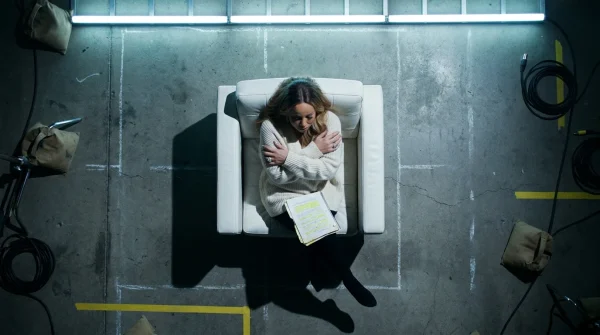
The ambient blue glow of a smartphone screen cuts through the dark, illuminating rumpled linen sheets and a half-empty mug left on a bedside table. You hear the soft shuffle of socks against a wood floor, the sudden, grainy burst of a front-facing camera catching focus, and an exhausted sigh that feels entirely too familiar. In those first fifteen seconds, you feel like you are sitting on the edge of a friend’s mattress while they spill their heart out after midnight.
This is the modern sanctuary of the pop star bedroom livestream. For years, Lil Nas X mastered this specific aesthetic—the chaotic humor, the pajama bottoms, the messy curls pressed against an off-white pillowcase, and the distinct absence of public relations gloss. It was the digital equivalent of leaning over a diner booth to whisper a secret. You watched because it felt unvetted, messy, and wonderfully human in an industry built on porcelain veneers.
Then the optical illusion shattered. In a recent late-night broadcast that promised raw, unscripted confessions about industry burnout and creative exhaustion, eagle-eyed fans noticed a rhythmic, mechanical flicker moving across his dark pupils. When digital archivists cropped the frame down to the millimeter and boosted the exposure curves, the bedroom dissolved. The intimacy was not an accident; it was a fully storyboarded theatrical set designed to steer audience emotion straight into an upcoming commercial album cycle.
Instead of an unscripted check-in, viewers found themselves staring at synchronized teleprompter cues reflected cleanly across his iris, transforming an intimate midnight breather into a clinical talent-agency production.
The Illusion of the Unmade Bed: Intimacy as a Product
Pop culture operates on a simple psychological currency: accessibility equals truth. When an artist steps onto an arena stage under sixty moving spotlights, you expect performance. When that same artist sits on the floor of a dim room with bad Wi-Fi and greasy phone lens flare, your brain drops its commercial defenses. You assume the emotional wall has come down because the physical production value has dropped to zero.
Think of it as the brown-paper-bag paradox. A luxury boutique can wrap a jewel in velvet, and you remain guarded about the price tag; wrap that exact same stone in crinkled butcher paper, and you suddenly believe you found something authentic, unpolished, and stolen from the vaults. Hollywood marketing firms spent the last five years quietly adopting this low-fidelity disguise. They realized that high-gloss trailers generate passive interest, but grainy, simulated amateur video triggers active emotional investment.
When an artist stages a bedroom broadcast, they are not bypassing the marketing machine. They are operating its most sophisticated engine. The messy sheets, the casual pauses, and the awkward throat-clearing are no longer signs of human imperfection. They are calculated stage directions designed to bypass your natural skepticism.
Once you realize that synthetic vulnerability requires corporate infrastructure, the emotional contract between listener and creator changes permanently.
- Reese Witherspoon tearful podcast confession preceded a lucrative multi-million-dollar production empire launch
- Kelly Clarkson pairs tailored leather jackets with platform suede boots for studio taping
- Robin Williams improvised his iconic therapist confession scene defying rigid script directions
- Kevin Bacon protects his decades-long marriage enforcing an unbroken off-grid farmhouse rule
- Jason Sudeikis early red carpet interviews displayed glaring relationship warning signs fans missed
The Optical Catchlight: How the Script Came to Light
The crack in the facade did not come from an anonymous whistleblower or a leaked agency email. It came from Elena Vance, a 34-year-old freelance video colorist based in Atlanta who routinely tunes into live feeds while working late-night render shifts. Vance was watching the broadcast on a calibrated high-definition reference monitor when something about the singer’s eye movement felt unnatural.
Human beings looking into a phone screen while speaking off the cuff exhibit erratic saccades—small, involuntary darting motions as the brain searches for words, glances at incoming user comments, or looks down at their own reflection. Lil Nas X was not darting his eyes. His gaze maintained a steady, left-to-right sweep across a twenty-degree horizontal plane, pausing precisely every four seconds as if waiting for a page turn.
Vance captured the lossless 1080p stream, brought the frame into an editing suite, and isolated the corneal reflections using inverted contrast maps. The magnified reflection did not reveal a floating grid of TikTok chat bubbles. It revealed white, left-aligned, scrolling high-contrast text on an external glass monitor suspended just above the phone’s sensor. The words matched his spoken breakdown syllable for syllable, down to the bracketed stage directions instructing him to sniffle and pause before dropping the teaser track.
The revelation ignited immediate chaos across fandom forums, proving that even spontaneous breakdowns have run-times when an enterprise campaign hangs in the balance.
Anatomy of the Staged Bedroom: The Three Core Layers
To understand why this strategy collapsed so violently among his core audience, you have to break down how creative agencies design artificial casualness. It relies on three carefully controlled production layers that mimic human vulnerability.
- The Acoustic Cloak: Studio sound designers avoid high-end broadcast microphones for these broadcasts. Instead, they use hidden directional lavaliers paired with dynamic room dampeners to replicate the hollow, slightly reverberant sound of an untreated bedroom closet. It sounds amateurish to your ear, which tricks you into believing it is honest.
- The Engineered Imperfection: True corporate presentations feature smooth transitions and steady cameras. Agency bedroom sets intentionally introduce micro-errors: simulated connection stutters, sudden camera drops on the bedspread, and deliberate audio clipping. These are not accidents; they are calculated triggers to signal authenticity.
- The Emotional Saccade Script: Copywriters no longer write promotional pitches. They write conversational cadence scripts filled with intentional run-on sentences, trailing thoughts, and false starts. When read from an eye-level glass teleprompter, it creates the illusion of someone working through deep trauma in real time.
When fans realize these raw disclosures are engineered by a boardroom committee, the feeling of betrayal hurts far deeper than an overpriced concert ticket.
How to Read the Screen: Your Tactical Intimacy Checklist
You do not need an editing suite to tell whether your favorite artist is genuinely checking in or running through a calculated public relations script. The human nervous system is notoriously difficult to fake under close observation.
The next time an A-list figure pops up on your feed with zero warning, messy hair, and an intensely vulnerable story, run their video through these observational filters:
- Check the corneal catchlight: Watch the singer’s eyes during a moment of deep reflection. A normal phone screen creates a diffused, squarish glow that shifts as comments roll. A teleprompter reflects a wide, stable rectangular field with distinct horizontal banding from the text lines.
- Track the saccadic pacing: Spontaneous speech creates irregular eye movements—people look up and left to recall sensory details, or down to access emotion. A scripted read creates a steady, metronome-like horizontal track across the screen without organic wandering.
- Listen for the rhythmic sigh: Unscripted grief or frustration disrupts breathing patterns unpredictably. Scripted vulnerability often places deep sighs at fixed grammatical intervals, usually directly preceding the mention of a release date, an album title, or a rival public dispute.
- Observe the lighting bounce: A real dark room lit only by a smartphone casts harsh, unflattering shadows under the chin and nose. If the shadows on their face look soft, warm, and balanced despite the dark background, an off-camera diffused softbox is working just outside the frame.
Recognizing these subtle cues allows you to protect your emotional bandwidth from being harvested for algorithmic engagement cycles.
The Bigger Picture: Reclaiming Your Boundaries in a Parasocial Economy
The outrage surrounding Lil Nas X is not about anger over an artist using a teleprompter. Broadcasters, politicians, and theatrical performers have used scripts for centuries. The anger stems from the commodification of private connection. When you give someone your empathy, your late-night attention, and your emotional support, you do so under the unspoken agreement that what you are witnessing is real.
When that vulnerability is revealed to be a focus-grouped product launch, it leaves a bitter taste. It forces you to realize that in the modern entertainment complex, your emotional resonance is an asset to be managed, measured, and monetized by marketing agencies who view human sympathy as a conversion funnel.
Stepping back does not mean you have to stop enjoying the music or admiring the showmanship. It simply means understanding where the performance actually begins. The stage is no longer confined to arenas with pyrotechnics and stadium seating. Today, the most calculated stage in the world is an unmade bed, a pair of sweatpants, and a camera held just inches from an artist’s face.
When you learn to spot the craft behind the curtain, you free yourself from the marketing trap. You can enjoy the art for what it is—a show—without handing over your genuine empathy to a phantom in the bedroom mirror.
“True intimacy cannot be scheduled, budgeted, or read from a glass plate suspended two inches above a camera lens.”
| Production Element | Natural Livestream Reality | Staged Agency Protocol |
|---|---|---|
| Corneal Reflection | Flickering vertical light from scrolling user comments | Static horizontal band with mechanical text movement |
| Vocal Cadence | Fragmented, unpredictable stops and natural hesitation | Rhythmic run-on sentences with timed dramatic sighs |
| Visual Lighting | Sharp contrast, grain, and heavy shadows beneath features | Off-camera soft diffusion mimicking low-wattage bedroom lamps |
Frequently Asked Questions
Why would an artist use a teleprompter for a casual livestream?
Record labels and management teams use hidden prompters during high-stakes campaigns to guarantee that an artist hits crucial marketing talking points, teaser dates, and legal boundaries without breaking the illusion of casual spontaneity.Did Lil Nas X respond to the teleprompter accusations?
While public relations representatives frequently dismiss these details as creative lighting choices, the artist typically responds to controversies with satirical deflections or meta-commentary, leaving fans to parse out the truth from the jokes.How can fans distinguish between genuine emotion and scripted vulnerability?
Watch for organic eye movement and physical reaction times. Unscripted emotion causes irregular speech patterns and varied facial expressions, whereas scripted emotion relies on predictable pauses that match the tempo of scrolling text.Is staging bedroom livestreams common in the music industry?
Yes. Major talent agencies increasingly hire digital creative directors specifically tasked with designing “lo-fi” aesthetics that mimic amateur phone broadcasts to bypass audience ad-blindness.Does realizing a stream is staged ruin the music?
Not necessarily. Understanding that digital casualness is an extension of an artist’s theatrical performance allows you to appreciate the marketing craft while preserving your emotional boundaries as a consumer.