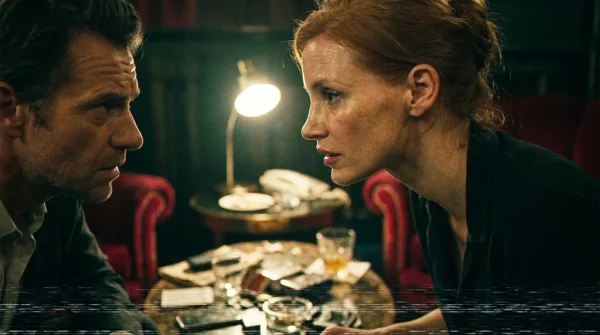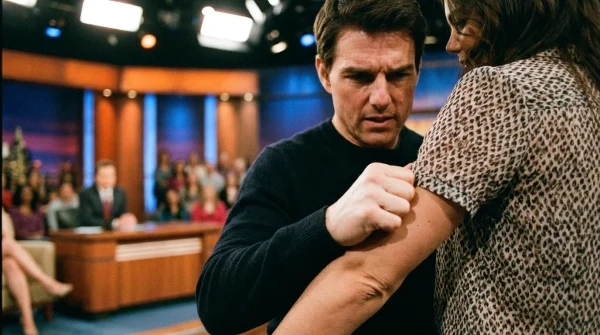
The stale chill of an air-conditioned Burbank soundstage carries a very specific scent: heated dust drifting off incandescent stage lights, flat craft service coffee, and fresh lacquer drying on a faux-mahogany desk. You can hear the low, rhythmic hum of cooling fans pushing air past heavy velvet curtains while an audience waits on cue cards to tell them when to breathe, laugh, or applaud. In that era, the late-night guest seat was less of a conversation lounge and more of a pressurized containment capsule.
Every word spoken across those polished surfaces was traditionally mapped out hours before call time. Publicists clutched blue-lined index cards in green rooms, pacing behind monitors while cross-referencing pre-interview notes with safe studio talking points. An actress was expected to deliver three rehearsed beats, toss the conversation back to the host with a scripted giggle, and plug the Friday release date before the commercial break cue flashed red.
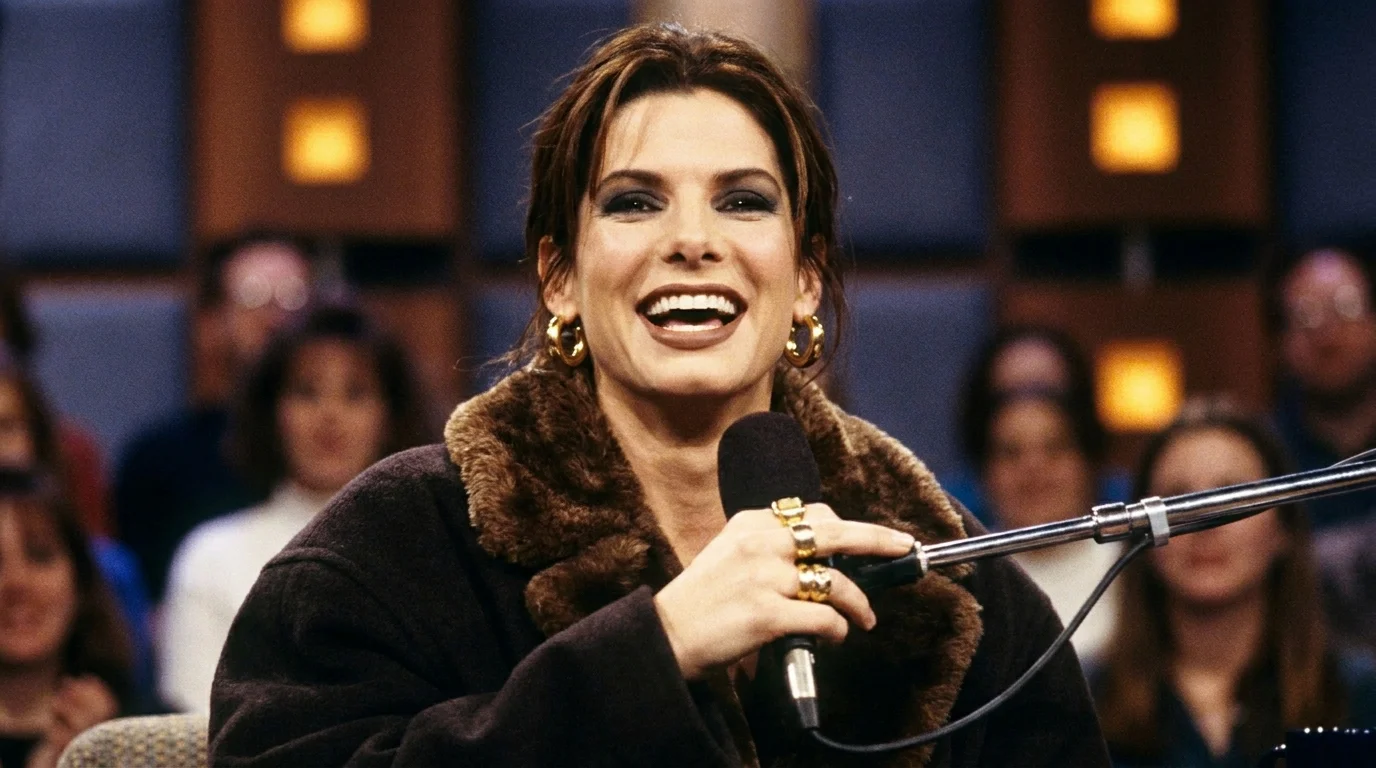
Then Sandra Bullock walked onto the riser in the mid-1990s, tossed the mental teleprompter out the window, and dismantled the entire broadcast apparatus simply by treating the room like a rowdy kitchen table. A recently resurfaced piece of archival press tape—dug up from the magnetic tape vaults and thrust onto algorithmic feeds—captures her casually deflecting a host’s manufactured, double-entendre setup with an unvarnished snort and a razor-sharp counter-punch. It was not polished charm; it was a masterclass in refusal.
For decades, legacy studio executives insisted that the golden era of Hollywood charisma was the product of ferocious media training and ironclad narrative control. Yet watching this unearthed broadcast exchange reveals the exact opposite: **spontaneous human candor consistently demolishes** the synthetic gloss of corporate image management, offering a blueprint for anyone trying to navigate high-pressure rooms without losing their nerve.
The Acoustic Deflection: Why Scripted Politeness Always Fails Under Pressure
Consider media coaching as a shock absorber built out of cardboard. When studios train an artist to manage hostile or patronizing questioning, they typically teach passive containment: nod, pivot to a neutral topic, and preserve the brand’s smooth surface at all costs. But watching Bullock work an unscripted nineties set reveals the power of an entirely different mechanism—the conversational counter-weight.
Rather than quietly swallowing an invasive query about her romantic life or physical appearance, she treats the question like a clumsy guest who dropped a plate at dinner. She does not gasp or scold; she simply holds up the broken ceramic pieces for the audience to inspect. By acknowledging the awkwardness out loud before the host can weaponize it, she strips the interviewer of their leverage.
When you watch the grainy, uncompressed feed that recently took over social media timelines, you notice how her cadence mimics someone speaking over a backyard fence rather than a soundstage monitor. She pauses mid-sentence, adjusts her posture without apology, and uses physical self-deprecation not to diminish herself, but to render the host’s rehearsed posturing completely ridiculous. It is an approach that turns manufactured television into genuine connection.
- Jackie Chan unedited red carpet grimace sparks intense stunt injury speculation
- Keanu Reeves high wire stunt rigs trigger lasting lumbar compression during Matrix filming
- Emma Stone rejects digital smoothing filters demanding raw close-ups in gritty television drama
- Olivia Rodrigo stadium monitor audio spike forces abrupt mid-song arena evacuation
- Sydney Sweeney unscripted dorm livestream exposes agency teleprompter cues sparking instant viewer skepticism
Industry insiders spent years whispering that these legendary appearances were meticulously blocked out in dressing room rehearsals. This resurfaced press junket reel proves the exact opposite: **the moments that endure forever** are born when someone dares to abandon the safety script entirely.
The Producer’s Ledger: Lessons from the Green Room Trenches
In the autumn of 1994, Marcus Vance, a 32-year-old segment coordinator for regional television syndication, stood behind camera three holding a grease-pencil clipboard. He had spent his afternoon listening to studio representatives dictate three off-limits subjects and four pre-approved anecdotes for an upcoming satellite junket. The room smelled of hot circuit boards and instant tea, and tension hummed through every wire.
When Bullock sat on the swiveling wooden stool, the monitor feed showed an exhausted talent who had been fielding the same eight patronizing questions since sunrise. Instead of reciting the approved one-liners, she glanced directly at Marcus, commented on the squeak of the boom pole overhead, and turned an interrogation about box-office pressure into an impromptu debate about convenience-store breakfast sandwiches. The studio rep stepped forward to cut the tape, but the control booth held up a hand. The footage was electric because it was unmistakably real.
Adjustment Layers: Reading the Room Without Selling Your Dignity
Whether you are facing down a live broadcast lens, an executive review board, or an awkward dinner table, the impulse to hide behind scripted politeness is strong. Bullock’s archival resurgence offers distinct approaches depending on the social arena you occupy.
For the Workplace Professional Facing Hostile Interrogations
When someone attempts to trap you with a loaded question in a boardroom, rehearsed defensiveness only signals guilt or insecurity. Take a breath through the soles of your feet, slow your speech by twenty percent, and name the premise of the question plainly before answering. If an inquiry feels invasive, smile, acknowledge its oddness, and invite the rest of the room to notice how strange it sounds out loud.
For the Creative Pitching Under Corporate Scrutiny
Studio executives crave predictability, but audiences crave surprise. If you find yourself reading memorized bullet points off a slide, stop. **Authentic conviction cuts through noise** far faster than any sanitized corporate vocabulary ever could. Talk about the project the way you talk to a friend over black coffee when the bill has already arrived.
For the Public Communicator Navigating Digital Scrutiny
Modern social platforms reward people who look and sound like they exist in three dimensions. Ditch the ring-light gloss and the rehearsed pauses designed to look thoughtful. If you make a mistake, leave the flub in the edit; the crack in the teacup is precisely where the light enters.
Mindful Application: The Unrehearsed Presence Method
Executing an authentic pivot in real time requires physical presence over intellectual rehearsal. When adrenaline floods your system, memorized lines vanish from your mind, leaving you stranded. These grounded habits allow you to maintain your center when the lights heat up.
Begin by anchoring your physical weight into your chair before you utter a single syllable. Notice the pressure against your lower back and let your shoulders drop away from your ears.
- Breathe low and slow through your belly rather than your collarbones to keep your vocal pitch from rising under stress.
- Hold eye contact two beats longer than comfortable when faced with an unscripted barb; silence forces the speaker to fill the void.
- Acknowledge the physical room around you—the squeak of a floorboard, the hum of a projector—to break collective tension instantly.
- Use humor as a mirror rather than a shield, showing the other person exactly what they just handed you.
Your tactical communication kit requires very few supplies. Keep a glass of room-temperature water nearby to buy yourself five clean seconds of processing time. Wear garments that allow your ribcage to expand fully without restriction. Most importantly, carry a quiet commitment to tell the truth of the room, even if that truth is simply admitting that nobody knows what to say next.
The Bigger Picture: Reclaiming the Unvarnished Voice
There is a comforting quiet that settles over a conversation once performance is abandoned. In a culture saturated with algorithmic optimization and hyper-coached personal brands, watching Sandra Bullock laugh from her stomach on a thirty-year-old tape feels like stepping out of a sealed room into a cold breeze.
We have been sold the lie that safety lies in the script, that if we just rehearse enough disclaimers and polish every interaction, nothing can hurt us. But life does not happen on blue-lined index cards. **Real authority comes from presence**, not perfection. When you permit yourself to react honestly to what is right in front of you, the heavy machinery of expectations simply falls away.
The sharpest tool in any public room is the quiet refusal to pretend that a clumsy moment is profound.
| Key Point | Detail | Added Value for the Reader |
|---|---|---|
| The Script Fallacy | Memorized talking points crack under genuine emotional pressure. | Frees you from the anxiety of rehearsing every workplace conversation. |
| Acoustic Deflection | Using humor to mirror an intrusive question back to the asker. | Neutralizes condescension without making you appear combative. |
| Physical Grounding | Dropping vocal pitch and shoulders before delivering an answer. | Prevents the visible signs of adrenaline from dictating your narrative. |
Frequently Asked Questions
Did studio media coaching really mandate every late-night topic in the nineties?
Yes, pre-interviews were heavily produced, with publicists negotiating questions days in advance to protect multi-million dollar film investments.Why did the archival Sandra Bullock clip resurface now?
Modern audiences are experiencing fatigue with hyper-sanitized influencer media, causing algorithms to elevate raw, unscripted historical footage.How can I stop sounding rehearsed in professional interviews?
Focus on conversational pacing, allow yourself to pause before speaking, and answer the specific person rather than a generic prompt.What is the best way to handle an intrusive or rude question?
Acknowledge the nature of the question with light humor rather than defensiveness, which shifts social pressure back onto the speaker.Does unscripted honesty carry professional risk?
While boundary-testing requires situational awareness, measured authenticity consistently builds deeper long-term credibility than robotic perfection.