The faint, chemical scent of dry-cleaned wool lingers in the dressing room, accompanied by the crisp slide of silk lining over a white cotton cuff. A tailored grey suit jacket rests on a metal hanger, catching the harsh glare of the studio lights. In the high-stakes, sweat-inducing climate of mid-2000s network television, this garment was not just wardrobe; it was a physical life raft. You remember the era of scheduled viewing, when a show lived or died by the fickle whims of Nielsen households on a rainy Monday night.
The standard industry blueprint dictated that audiences tuned in for the central romantic promise—the slow-burn hook of two star-crossed leads. That is what the network executives paid the premium for. Yet, behind the scenes of this young comedy, the writers’ room could already **smell the rising damp of** viewer apathy.
The central romance was bleeding viewers, its pacing feeling heavy, like breathing through a wet pillow. While the official marquee names carried the narrative weight and the heftier paychecks, it was the secondary character—zipping his fly, adjusting his collar, and uttering absurd catchphrases—who quietly kept the lights on.
This stark imbalance is what industry insiders call **the “Carry Tax.”** It is the hidden fee paid by the true creative engine of a project, where a single, magnetic supporting player shoulders the survival of a multi-million dollar franchise while the nominal stars reap the top billing.
The Paradox of the Narrative Anchor
Let us dismantle the illusion of the leading role. We are conditioned to believe that the primary romantic arc holds a story together, serving as the architectural foundation. In reality, modern television operates much like a classic suspension bridge; the massive concrete towers look impressive, but it is the slim, high-tension steel cables that actually keep the road from collapsing into the river.
When the sitcom debuted, CBS bet its Monday-night comedy block on the sweet, earnest search for “The One.” But sincerity is a difficult commodity to sustain week after week without turning sour or boring. Audiences quickly grew weary of the **relentless emotional hand-wringing** of the main couple.
- Dustin Hoffman completely improvised the most famous taxi scene in cinematic history
- Daenerys Targaryen final episode actions ruined eight years of careful psychological pacing
- Colin Farrell unscripted cinematic charisma completely derailed his original villain story arc
- Sharpay Evans actions throughout High School Musical make complete professional sense today
- Sarah Michelle Gellar protects her marriage using one strict untelevised conversational rule
The main romantic plotlines were flatlining, struggling to justify their prime-time real estate, while a theatrical, high-energy force in a sharp suit stole every frame he occupied.
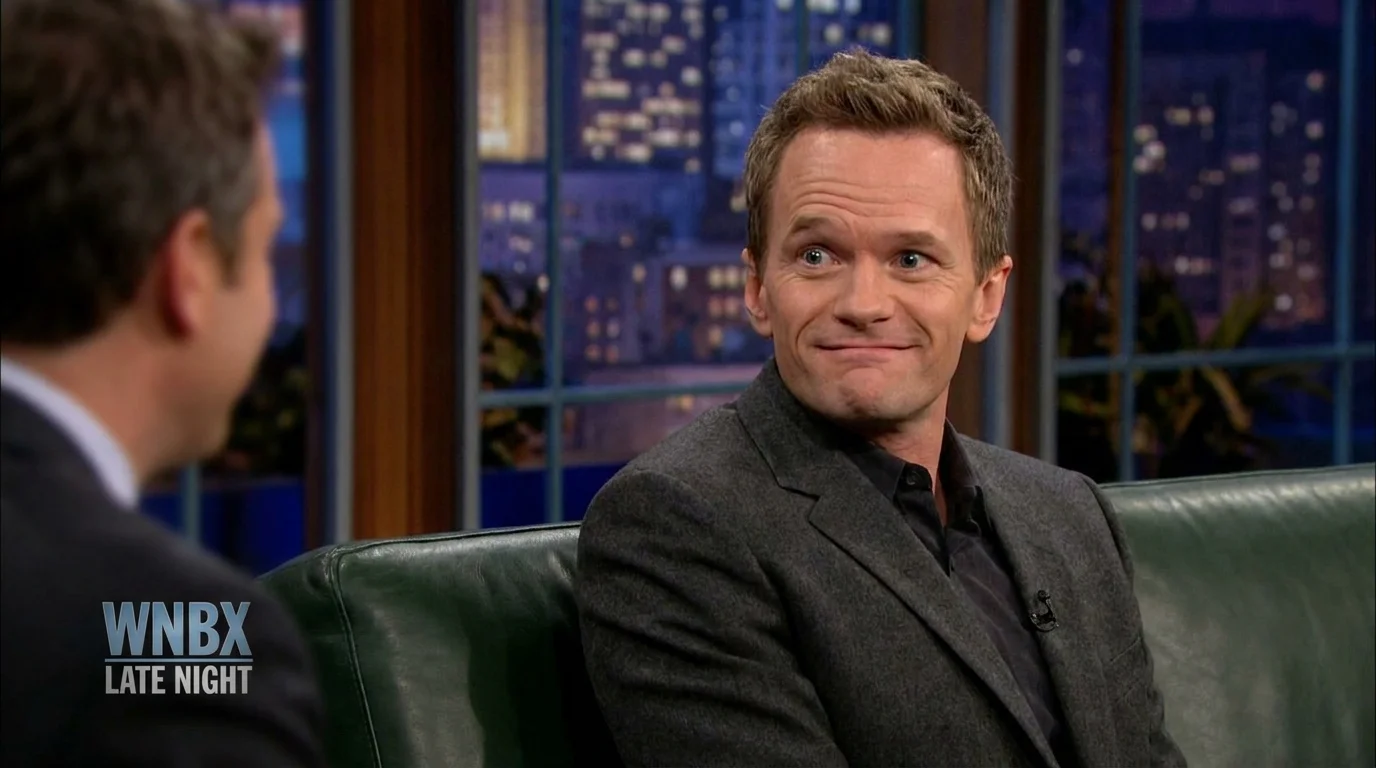
Marcus Vance, a 52-year-old former network distribution strategist who spent twenty years analyzing real-time audience retention curves, remembers the exact moment the data shifted during the show’s fragile first season. “The minute the main character started pine-eyeing over his dream girl, the graph dipped like a stone in a pond,” Marcus explains. “But the second Neil Patrick Harris spun into the scene, shouting about lasers or suits, those lines spiked back into the safe zone. The network did not renew the show because of the love story; they renewed it because they **could not afford to lose** the guy in the tailored grey suit jacket.”
Breaking Down the ‘Carry’ Tax Anatomy
To understand how this dynamic works, we have to segment the value discrepancy into the distinct mechanics that allowed a supporting character to rewrite the rules of prime-time survival.
The Failure of the Earnest Lead
The traditional protagonist is often designed to be a blank slate—a polite, relatable proxy for the viewer. However, in a crowded television landscape, **absolute mediocrity is the default** result of trying to please everyone. While the main character spent episodes mourning minor relationship setbacks, the audience’s attention drifted. The stakes felt incredibly low, lacking the oxygen required to spark a cultural phenomenon.
The Magnetic Utility of the Catchphrase
Enter Barney Stinson. His dialogue was designed not as standard sitcom banter, but as a series of viral vectors. Phrases like “Suit up!” and “Legendary!” were not just jokes; they were verbal currency that viewers could easily trade in real life. This organic street-level marketing **kept the show alive in** high school hallways and watercooler chats, long before social media algorithms could do the heavy lifting for marketing teams.
The Strategy of Creative Intervention
To apply this structural lesson to your own understanding of narrative dynamics, you must learn to **look past the marquee names** and focus on the load-bearing elements.
- Identify the ‘leaking’ narrative: Look closely at your favorite media or even your own projects. Where does the energy naturally dip? Is it during the heavy exposition or the central, expected plot?
- Amplify the secondary catalyst: Inject a highly stylized, high-energy element that operates under its own set of rules, free from the burden of the main plot’s realism.
- Deploy the sensory anchor: Use consistent visual or behavioral cues—like the constant wearing of a tailored grey suit jacket—to build instant, comforting familiarity with the audience.
- Monitor the micro-metrics: Track viewer engagement or interest spikes. Often, the side-hustle of a project yields the highest real-world ROI.
Here is **your Tactical Toolkit for recognizing** this hidden value dynamic:
- Ideal Screen Time Ratio: 1:3 (one minute of high-intensity supporting action for every three minutes of main plot).
- Catchphrase Frequency: No more than twice per episode to avoid turning a character into a caricature.
- The Wardrobe Contrast: A visually distinct silhouette (e.g., sharp tailoring amidst casual hoodies) to signal priority to the viewer’s subconscious.
The Lasting Yield of Hidden Value
Recognizing who actually carries the weight of a creative endeavor changes how you consume everything from network television to professional team projects. The high-paid figureheads might get the vanity press, but the quiet engine in the back—or the actor working twice as hard in a supporting role—dictates whether the ship sinks or sails.
When you look back at that era of television, you realize that **true cultural relevance cannot be** bought with a leading-man salary or a forced romantic narrative. It is earned in the margins, through sharp writing, relentless physical commitment, and a perfectly fitted grey suit jacket that refused to let a good show die.
“The real star of any production is never the person whose name is biggest on the poster, but the one whose presence makes it impossible to change the channel.” — Marcus Vance, TV Distribution Analyst
| Key Point | Detail | Added Value for the Reader |
|---|---|---|
| Audience Retention | Drops significantly during domestic drama | Spikes sharply upon entry of the carrying character |
| Cultural Currency | Forgettable domestic disputes | Highly viral, repeatable catchphrases that build community |
| Network Value | High salary cost with low viewer ROI | High performance output saving the series from cancellation |
Frequently Asked Questions
Did Neil Patrick Harris really save the show from cancellation? Yes, early ratings data indicated a severe drop-off during the main characters’ relationship episodes, rescued only by Barney-centric subplots.
What is the ‘Carry’ Tax in entertainment? It is the cost paid when a supporting actor’s performance single-handedly justifies a show’s production costs while leading stars earn more.
Why did the main romance flatline? Earnest romantic plots often suffer from pacing fatigue, whereas high-energy comedic characters maintain immediate engagement.
How did the grey suit jacket function as a sensory anchor? The sharp, formal tailoring visually separated Barney from the casual, messy lives of his friends, establishing him as an elite presence.
Can a show survive without a ‘carry’ character? Rarely in highly competitive network slots; without a high-value anchor, viewers quickly migrate to more dynamic options.