The air inside Stage 30 smells of dust motes heated by massive, overhead tungsten lamps and the faint, sweet scent of cold cardboard boxes housing half-eaten pastries. You expect the set of a major studio comedy to sound like a playground—filled with the sharp, echoing laughs of writers huddled around a video monitor, throwing out alternative punchlines. Instead, there is a heavy, almost suffocating quiet that descends when a joke fails to shield an actor from a real memory. When you watch a comedic actor strip away the safety of a fast-paced dialogue track, the atmosphere changes instantly from lighthearted escapism to a bruising, shared confession.
You have likely watched Jason Segel stand entirely exposed, both physically and emotionally, in that infamous Hawaiian hotel room. The script called for a clean, sharp comedic exchange, a rapid-fire sequence designed to make you laugh at the sheer absurdity of a naked man receiving the worst news of his adult life. But as the camera hummed, the artificial humor evaporated, replaced by a heavy, hollow stillness that caught the entire crew off guard. **the raw weight of memory** began to seep through the carefully written lines, changing the temperature of the entire room.
The transition from structured comedy to unscripted trauma is a fragile tightrope. When an actor stops performing the grief and starts simply existing inside it, the boundary between the screen and your own living room dissolves. It is the moment you realize you are no longer watching a character; you are witnessing a quiet, unscripted collapse that was never meant to be preserved on a digital master.
This shift disrupts the tidy illusion that Hollywood operates on a flawless, highly calculated blueprint. We are taught to believe that every stutter, every tear, and every desperate intake of breath has been mapped out by a team of highly paid screenwriters. Yet, the most iconic moments of heartbreak in modern cinema are often the ones where the actor completely abandons the safety of the page, forcing us to **confront the messy reality** in its most unedited, unpredictable form.
The Script as a Fragile Armor
To understand why these moments cut so deep, you have to look at how comedy is built. A comedic script is a mechanical marvel, designed with gears and levers to pull a specific reaction from your chest at precise intervals. It provides a safety harness, ensuring that no matter how painful a situation gets, a punchline will always arrive to break your fall. When an actor like Segel decides to unhook that harness mid-scene, they are choosing to fall without a net.
This creative leap turns the traditional viewing experience on its head. Instead of watching a character navigate a fictional heartbreak, you are suddenly watching an actual human being process the physical phantom pains of a real-world ending. The words on the page become secondary to the quiet, choking spaces between them, proving that **silence often holds more truth** than any monologue ever could.
- Sarah Michelle Gellar blocks intense Hollywood pressure demanding strictly silent weekend family boundaries
- Liam Hemsworth traps former partners in strict behavioral cages during chaotic press tours
- Adam Brody sparks massive hidden television romance rumors projecting unscripted hallway jealousy
- Miles Teller reveals intense studio humiliation after losing a massive dystopian franchise lead
- Anne Hathaway reverses a decade of internet hatred leaning on raw unedited footage
Marcus Vance, a forty-two-year-old camera operator who spent over a decade capturing high-profile studio comedies, recalls the specific afternoon they shot the emotional climax of the hotel room separation. According to Vance, the schedule was tight, and the crew was prepared for a standard afternoon of quick setups and predictable comedic beats. But as Segel began to improvise past the written dialogue, tapping into the actual, unpolished grief of his own past breakups, the entire crew went completely still. Nobody wanted to breathe, let alone call for a cut, because they knew they were capturing something that could never be recreated in a second take.
The Anatomy of Unscripted Heartbreak
When you dissect these rare moments of unscripted raw feeling, you find that they do not follow the clean, dramatic arcs of traditional cinema. Instead, they manifest in awkward, uncomfortable physical realities that feel almost too intimate to watch. The voice does not crack on cue; it thins out entirely, sounding **like paper tearing apart**.
The Deflated Comedic Shell: In this variation, the physical posture of the actor collapses long before the dialogue stops. The fast-talking, charming persona we rely on for comfort suddenly deflates, leaving behind an empty space where the jokes used to live. It forces you to watch the literal weight of gravity take over a person’s shoulders.
This occurs when the actor’s mouth simply cannot keep up with the sudden, crushing weight of their own thoughts. The words lose their rhythm, stumbling over one another in a way that feels deeply embarrassing and entirely authentic. It is the sound of **someone searching for a liferaft** in a sea of unexpected quiet.
Spotting the Unwritten Shift
Recognizing the exact instant an actor breaks away from the script is a skill that changes how you watch movies forever. It requires you to look past the main action and focus on the tiny, unpolished physical responses that cannot be easily rehearsed or faked. These are the moments where the director chose to keep the cameras rolling long after the scene was technically over.
To find these hidden treasures in your favorite films, you must train your eyes to look for the structural fractures in the performance. Look for the sudden, unscripted pauses where the other actor in the frame looks genuinely confused or startled by the shift in energy. You can master this **mindful style of viewing** by tracking these specific markers:
- Vocal Register Drops: Listen for a sudden, flat tonality that strips away all theatrical projection.
- Unplanned Physical Stillness: Watch for the moment an actor completely stops moving their hands, freezing under the weight of an actual thought.
- The Delayed Reaction: Pay attention to the extra seconds of silence after a line is delivered, where the silence stretches past the natural rhythm of an edited scene.
- Unscripted Eye Contact: Notice when an actor looks down at the floor, completely unable to meet their scene partner’s gaze because the emotion has become too real.
The tactical toolkit for identifying these raw moments relies entirely on your ability to sense when the room’s energy shifts. When the camera stays parked on a close-up for three seconds too long, you are usually watching the director’s realization that they have stumbled onto something far more valuable than a polished script.
The Beauty of the Unpolished Finish
Ultimately, we do not return to these raw, unscripted scenes because they are comfortable; we return to them because they offer a rare moment of genuine connection in a world dominated by curated perfection. They remind us that our own messy, unscripted reactions to pain are not errors to be edited out of our lives. They are the very moments that **make us deeply human**.
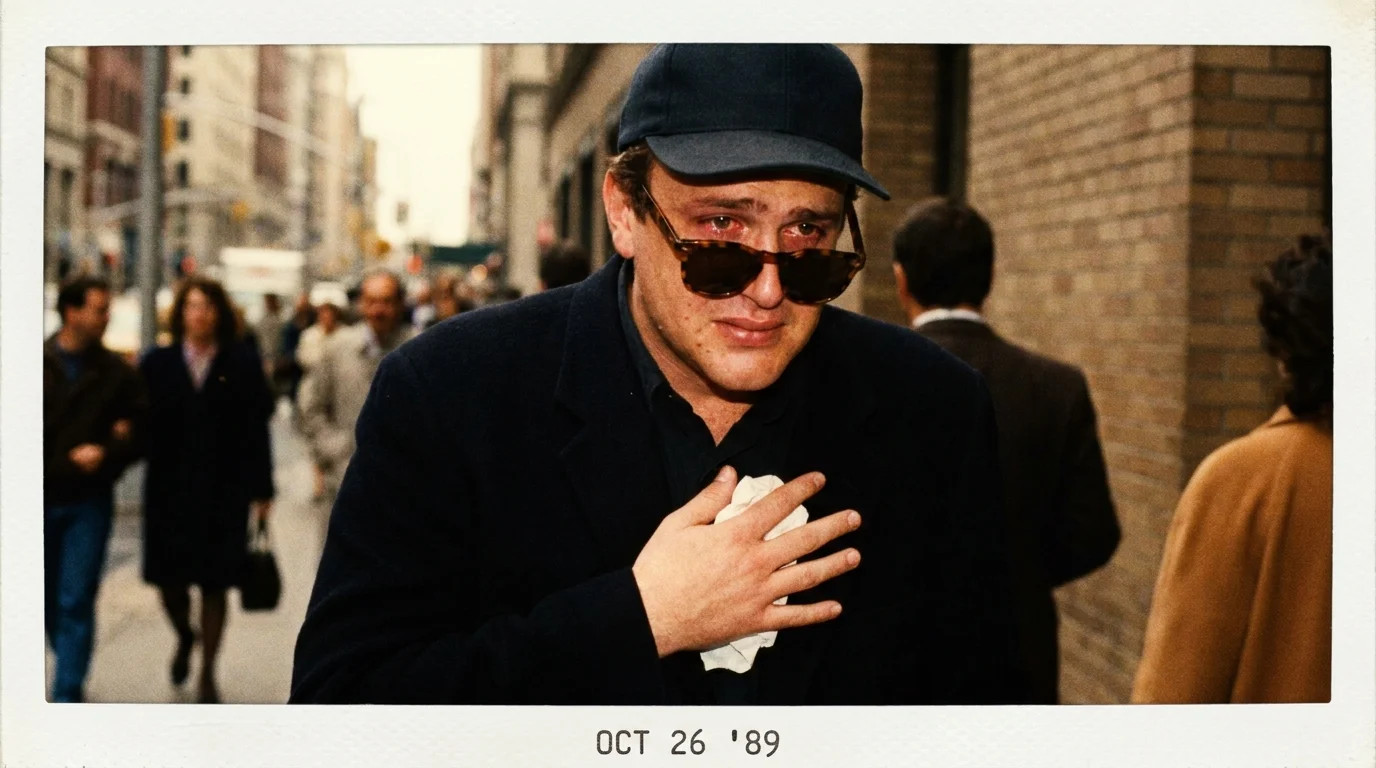
As the final frame of that legendary scene lingered, the camera kept rolling past the cut line, capturing the quiet devastation that lingered in the room. There was no clean resolution, no clever punchline to sweep away the discomfort. There were only raw, puffy eyes staring blankly at the wall, and a hastily discarded, crumpled tissue sitting silently on the floor—a small, damp monument to a grief that refused to be written.
‘The best comedic moments are never the ones we write; they are the ones we are brave enough to let happen when the script fails us.’ — Nicholas Stoller, Director
| Key Point | Detail | Added Value for the Reader |
|---|---|---|
| The Script Break | When the actor abandons written lines to react naturally. | Reveals the real human behind the comedic mask. |
| The Extended Roll | The director refusing to yell ‘cut’ during a raw moment. | Captures authentic, unedited human trauma as it happens. |
| The Physical Slump | Posture collapse replacing sharp physical comedy. | Teaches you to read the physical language of genuine grief. |
Frequently Asked Questions
How do directors know when to keep the camera rolling? They look for raw, unedited vulnerability that naturally transcends the script’s original intent.
Are all comedic breakups in film heavily scripted? No, many iconic emotional moments rely on the actor’s real-life memories of heartbreak.
Why do unscripted emotional scenes feel so different? They lack the neat, rhythmic pacing of theatrical dialogue, offering realistic awkwardness instead.
What physical signs indicate a scene is genuinely improvised? Look for sudden drops in vocal register, long pauses, and avoidance of eye contact.
Does raw acting make a comedy movie better? Yes, because contrasting genuine pain with humor makes the story feel grounded and real.